Camino Norte Itinerary: 6 Days Hiking Spain’s Most Beautiful Camino Route
This six-day Camino Norte itinerary follows the route from Irun to Bilbao, including daily distances, difficulty levels, accommodation recommendations, and unforgettable highlights from the trail.

Table of Contents:
When I first saw photos of the Camino Norte, I couldn’t look away. In front of me, lined rock formations cut through crystal-clear seawater along the Spanish coast. It was a view right out of a fantasy novel.
These rock formations are the Flysch de Zumaia, 60-million-year-old rock layers formed by deep-sea avalanches. I couldn’t miss the opportunity to hike along some of the world’s least-known yet most fascinating ecological wonders. After years of waiting, I eagerly booked my flight for the end of June, unprepared for the beauty and challenge that lay ahead.
Day 1: Irun to San Sebastian

🥾 Difficulty: Moderate (steep climbs over Jaizkibel)
⏱ Hiking time: 6–7 hours
🛏 Where we stayed: Downtown River Hostel in San Sebastian
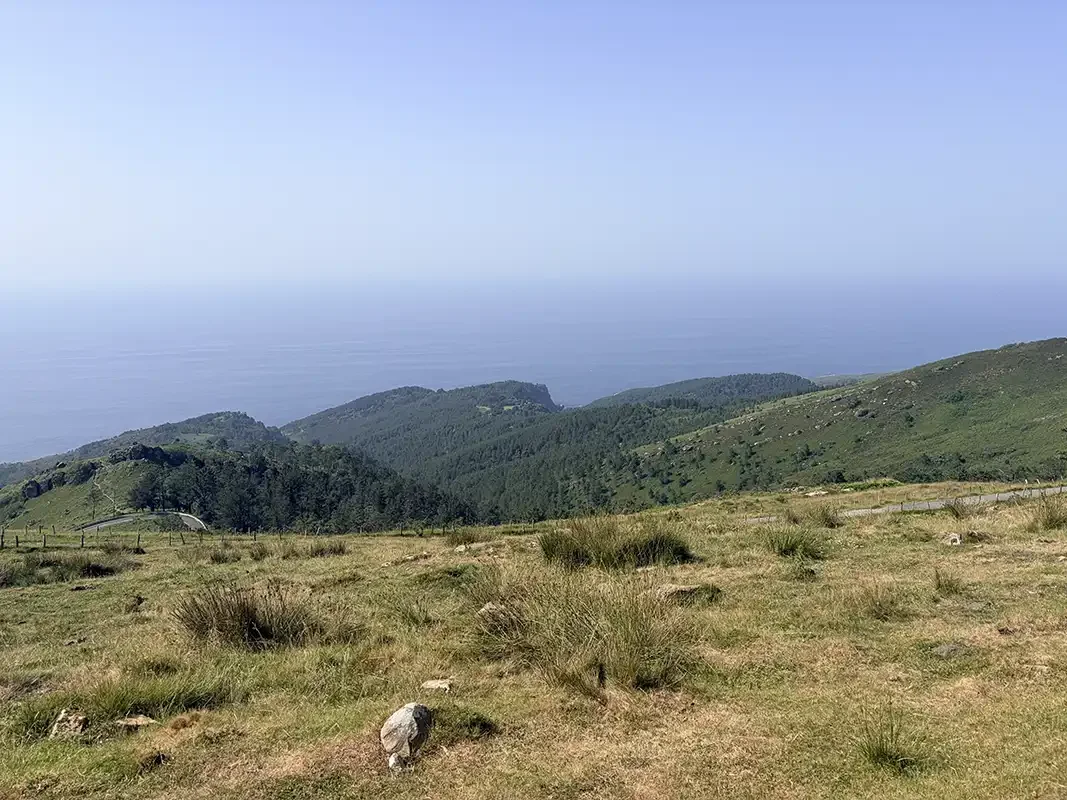
Our trail began at the Sanctuary of Guadalupe, a 16th-century hermitage. We ascended towards the Jaizkibel mountain range ridgeline, immediately reminding us that the hardest climbs come with the best views. If the ascent didn’t take our breath away, the sweeping, nearly 360-degree views of the Bay of Biscay and Hondarribia certainly did.
We passed by castle ruins and open pastures of wild horses above the coastline, watching as the heat radiated off the surrounding rocks. We battled nausea and lightheadedness as we headed towards the treeline, begging for a moment of relief from the clutches of Spain’s hottest summer.
We soaked in the shade as we descended into Pasaia, watching kids jump into the surrounding ocean. Although tempted to join them, we instead took the short ferry across to San Sebastian, one of the greatest food cities in the world.
We spent the evening bar-hopping between different pintxos spots and ended the night with a famous Basque cheesecake. San Sebastian is a city that deserves several days, but for us that would have to wait for another trip
Day 2: San Sebastian to Zarautz

🥾 Difficulty: Moderate
⏱ Hiking time: 5-6 hours
🛏 Where we stayed: Blai Blai Hostel
While San Sebastian slept, we awoke in the early morning sun. We began our ascent above the city and along the coastline. The roads wound quietly down the mountainside, between trees and quiet cliffside towns. Embraced by the shade, we appreciated the beauty in every bend in the road. The greatest surprise lay further down the road at Txoko del Peregrino.
The most refreshing, delicious (and free) juice I’d ever tasted lured us in, but we took a break from the trail for the conversations. If you’ve ever been curious to understand the beliefs of active cult members, Txoko del Peregrino is worth the stop. It is run by members of the Twelve Tribes, most famously known for their Yellow Deli Sandwich chains. The staff are friendly, open, and hospitable, but also provide a classic Camino de Santiago experience: speaking with strangers about their beliefs.
Grateful for taking a moment to slow down and socialize, we continued eagerly onwards to Zarautz and a refreshing evening swim in the ocean.
Day 3: Zarautz to Deba

🥾 Difficulty: Hard
⏱ Hiking time: 6-7 hours
🛏 Where we stayed: Casa Rural Pikua (amazing views and food)
This was the day I had long been awaiting.
We continued our walk past farmland and small coastal villages until we descended into Zumaia, the starting point of the Flysch. We passed locals swimming in the gentle bay. A few girls lay sunbathing on one of the layered rocks. Although I felt tempted to join them, we still had 15 kilometres of mountain coastline to traverse.
The lined rock formations extending into the turquoise waters told a story of erosion and ever-changing nature, yet the relentless beauty of this coastline made it feel like time was untouchable in these waters. Maybe it was the extreme temperatures driving more sensible hikers away, but it felt like nothing stood between us and the unseen forces that sit quietly in these cliffs, clinging to earth and history. We descended past Mirador de Portuxiki into the waters to cool off, where we watched crabs play hide-and-seek from fish.
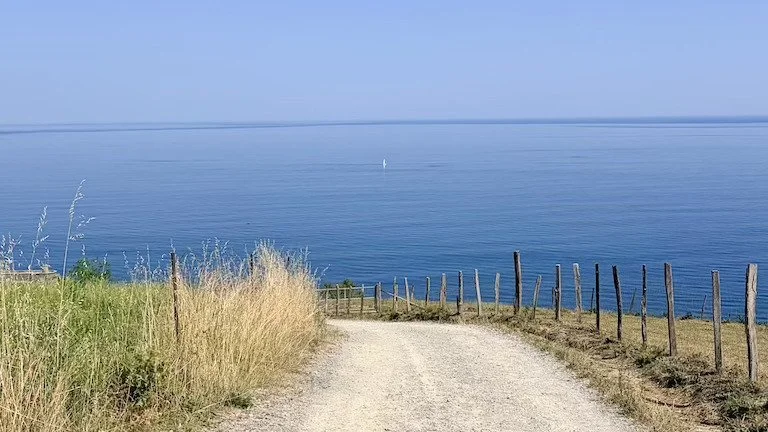
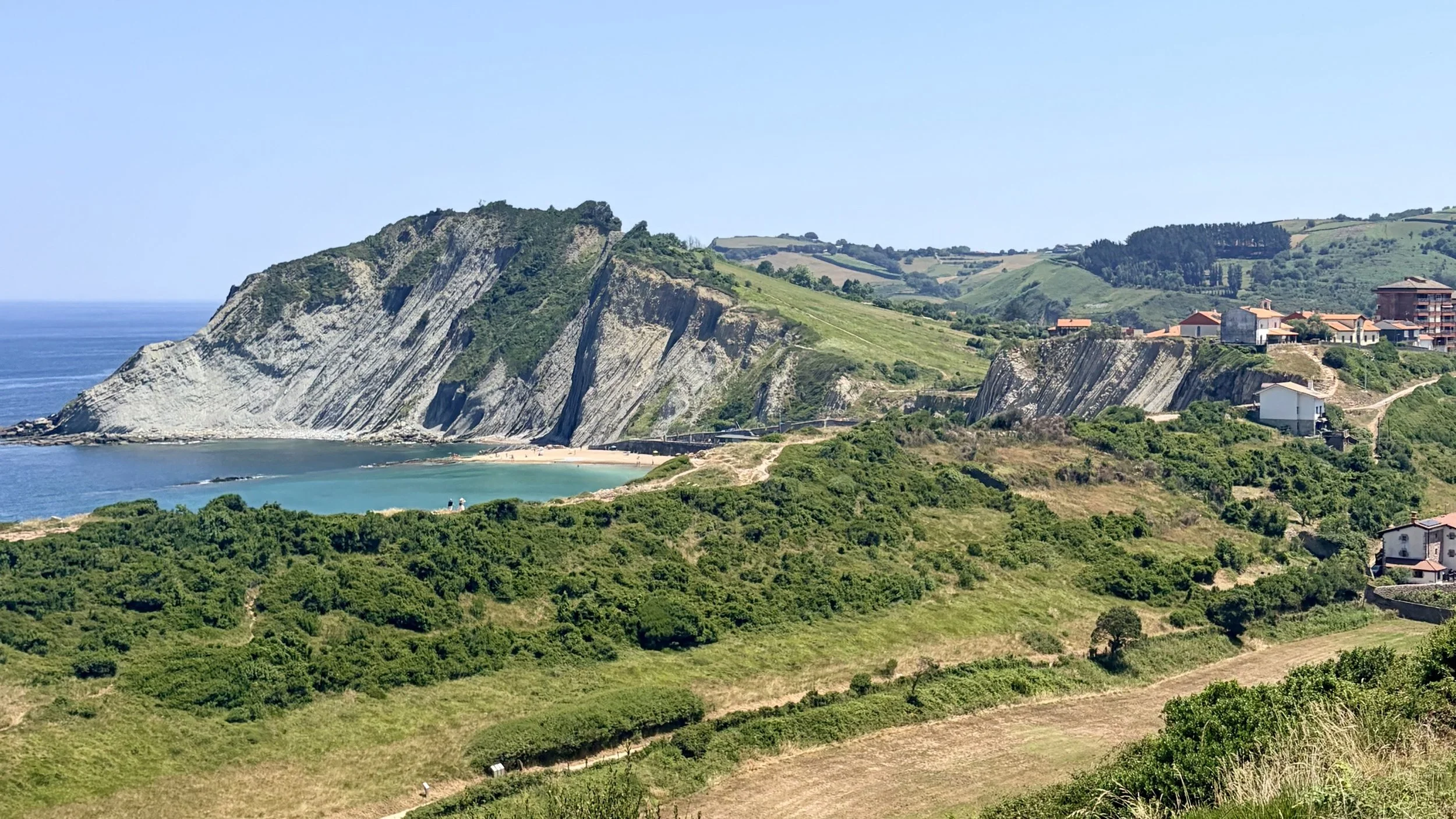
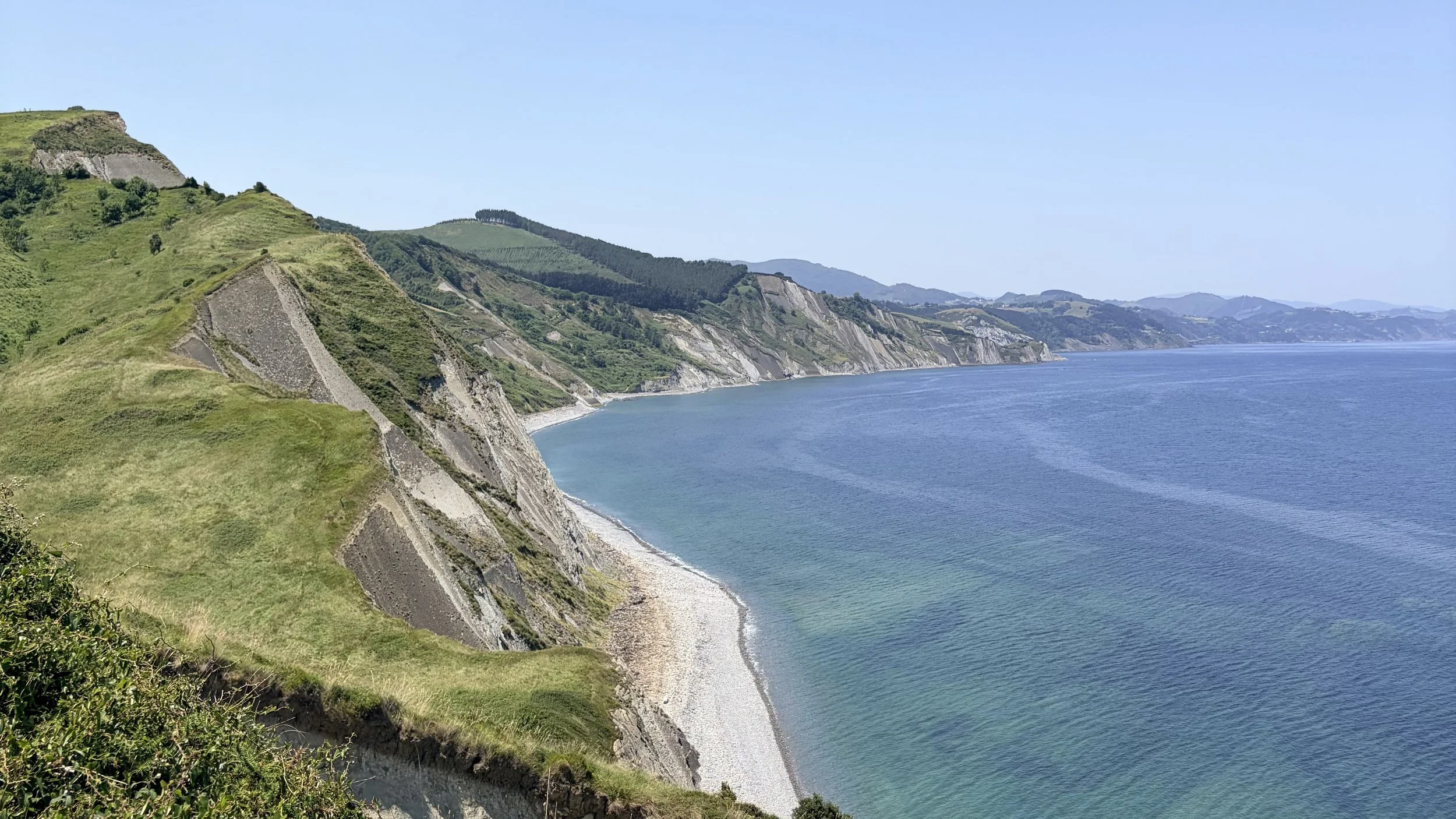
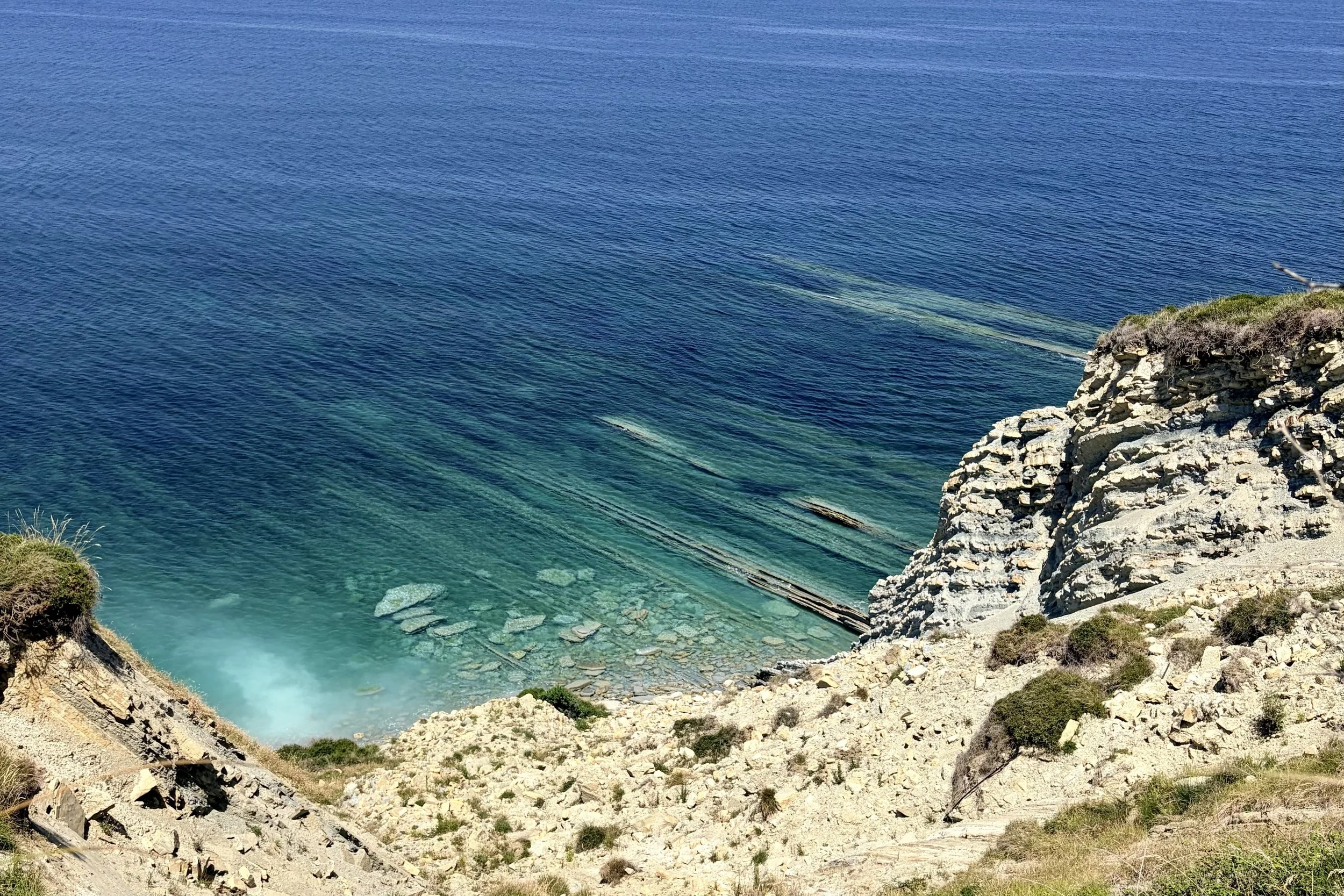

The heat felt unbearable, and my feet began to throb. Yet with each viewpoint we passed, the views felt more beautifully dramatic and ancient, almost mythical. Around the corner awaited one of the most magnificent views I’ve seen at Plage de Sakoneta. This was the hardest day on the Camino Norte, yet the view below me reminded me that challenges and beauty often go hand in hand. This is what hiking the Camino de Santiago is all about.
And the best part? Not a single soul in sight. It’s the type of place that deserves more popularity, yet I want to keep it to myself, so it can belong to nature as it has for the last 50 million years.
We ended the day at Casa Rural Pikua. After days of heat and hostels, this seaside hotel is a perfect air-conditioned break. We enjoyed a delicious home-cooked meal while the sunset and the ocean merged together in waves of colour in front of us.
The perfect end to a beautifully challenging day.
Day 4: Deba to Zenarruzako
🥾 Difficulty: Moderate (major ascent around the 5km mark)
⏱ Hiking time: 6-7 hours
🛏 Where we stayed: Zenarruzako Monastery
This day felt like the epitome of the Camino de Santiago experience: quiet mountain roads where the only sound was the crunch of rocks under my feet. Each step took us farther away from the ocean and closer to the mountain forests. This trail is the most remote, with no food or water after passing Zelaieta Taberna Jatetxea. Be sure to stop by to grab some pintxos for lunch and refill your water.
We began our descent into Markina and passed by the shrine of San Miguel de Arretxinaga, famous for housing three enormous 40-million-year-old boulders. According to a popular local legend, young men who want to get married within a year must pass three times under the rocks.
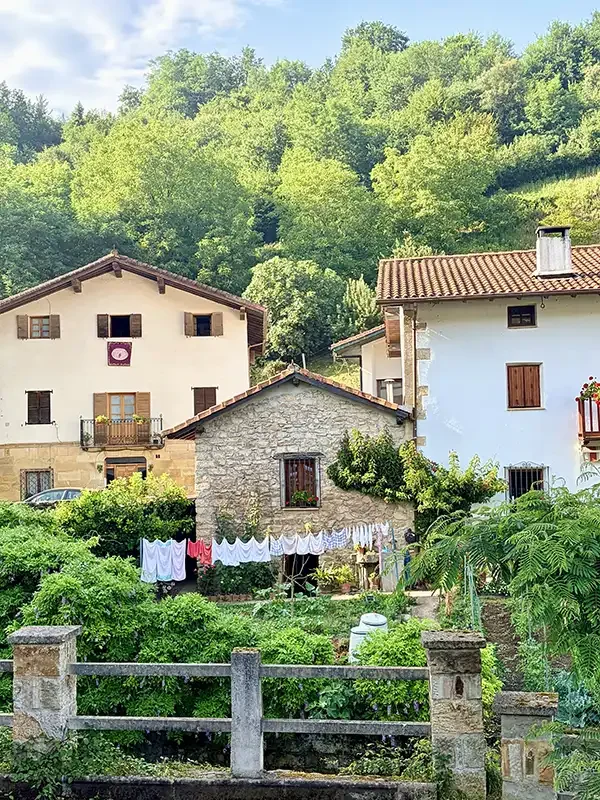

Although most pilgrims stay the night in Markina, we chose to continue walking through the famous town of Bolibar. This town proudly proclaims itself as the hometown of Simón Bolívar. Despite the monument set up by the Venezuelan government and the Simón Bolívar Museum, Simón never actually visited Bolibar, and his last known relative there was his fifth great-grandfather, who emigrated to Venezuela in the 16th century. Nevertheless, Bolibar is a charming town and worth the stop.
Afterwards, we ascended towards the Zenarruzako monastery, which still honours its founding traditions. Imagine tired pilgrims with walking staffs, hooded cloaks and a cloth shoulder bag with a handful of clothes and coins climbing an ancient cobblestone road seeking shelter for the night. Built in the 15th century, the monastery served as a resting spot for pilgrims. 600 years later, its purpose of hospitality remains the same. As we ascended through an ancient cobblestone path that many pilgrims took before us, we wondered if the trees could talk, what stories they would tell.
For dinner, we sat in a small kitchen with other pilgrims enjoying a simple meal. I began chatting to the girl next to me and asked: “Why are you doing the Camino?”
This is a common question among pilgrims, who all come with their unique motivations, pains and stories. I wasn’t prepared for the weight of her answer: “There’s no point in sugarcoating this. My sister suddenly passed away in November, and the only way I know how to process it is to walk.”

These are the conversations that stay with me long after my time on the trail is over, and become just as memorable as the beautiful places. All pilgrims are brought together on the trail, despite coming from different cultures and countries. For a brief moment in time, our unique paths and stories cross on these roads. These conversations are inevitably part of that convergence, a reminder that everyone is on their own journey.
Day 5: Zenarruzako to Pozueta


🥾 Difficulty: Moderate
⏱ Hiking time: 6-7 hours
🛏 Where we stayed: Pozueta
The day began passing through more remote mountain villages and centuries-old mills and bridges.
However, the real highlight is the town of Guernica. This town is most well-known thanks to Pablo Picasso's 1937 giant anti-war oil painting. During the Spanish Civil War, many civilians were killed in a 3-hour bombing raid by the Germans and Italians, requested by Francisco Franco’s forces as part of their campaign against the Basque and Spanish Republican governments. This devastated Guernica, although it is now a resounding symbol of peace. The trail passes through the quaint town square where an exhibit with jarring photos of the bombing provides a shocking contrast to the now peaceful town square.
The final trek up from Guernica is quiet and beautiful. The friendly owner of Pozueta greeted us warmly, and then proceeded to cook a delicious three-course meal. We spent the evening chatting with the other pilgrims into the night.


Day 6: Pozueta to Bilbao
We began the final day descending into Bilbao with our new friends from Pozueta. Although the day began in the forest, the majority of the walk passes through the suburbs of Bilbao- a rare sight after the past few days. As we began our final ascent through the forest, we passed a railing with graffiti reading “Walk until you leave the system” next to a sticker that said, “You can do the hard things”.
No doubt left by pilgrims, both these phrases summarize the Camino Norte experience: Sometimes it takes an intense physical challenge to provide a new perspective. I came to see the scenery of the Flysch de Zumaia and realized that the beauty of the challenge is what impacted me most. The Camino is about much more than just scenery; it’s also about learning to appreciate the challenging journeys that reveal strengths you never knew you had.
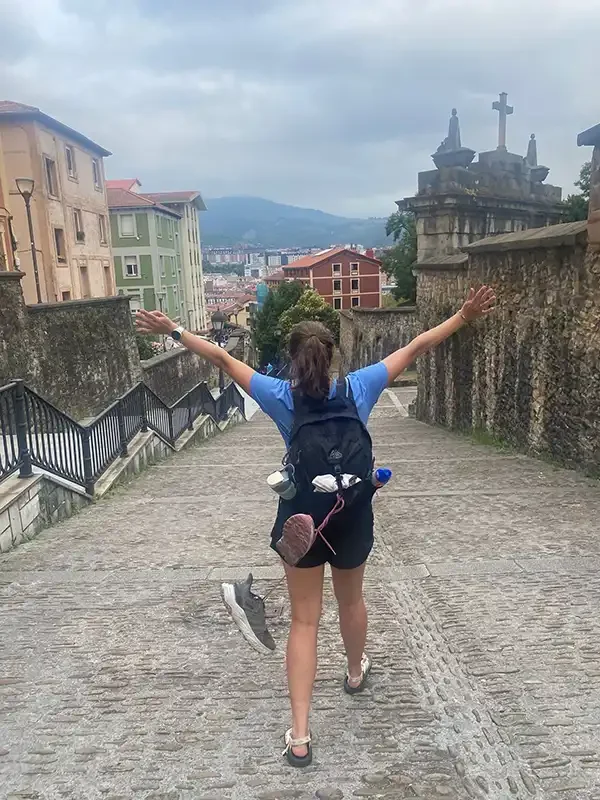
Our aching feet arrived joyously in Bilbao’s Casco Viejo. We enjoyed one final toast over a round of pintxos — each of us carrying a newfound assurance that we really could do the hard things.

Frequently Asked Questions About the Camino Norte
-
By day 6, my body was in desperate need of a break. I’d recommend a rest day in Bilbao, followed by another 5-7 days on the trail to Santander if you are looking for a longer trek without going all the way to Santiago.
-
This is one of the more challenging Camino routes and is better suited for experienced hikers or Camino veterans.
-
Day 3 along the Flysch de Zumaia has unforgettable views and is very steep. Even if your body is in a lot of pain, it is worth pushing through to see the rocks.
-
Unless you want to make the experience more challenging than it already is, I would recommend doing the Camino in May, early June, or later in the summer months to avoid heatwaves.
Interested in other Camino trails? Check out our guide on the Camino Primitivo.