Holding on to the Stars: Arizona’s Dark Skies, Cultural Heritage and Historic Landmarks
Discover Arizona’s dark skies, Indigenous stories, and historic landmarks. From stargazing in Flagstaff to the red rocks of Sedona and the restored beauty of La Posada Hotel, Arizona’s communities are preserving the natural wonders and cultural heritage that connect us to our past.
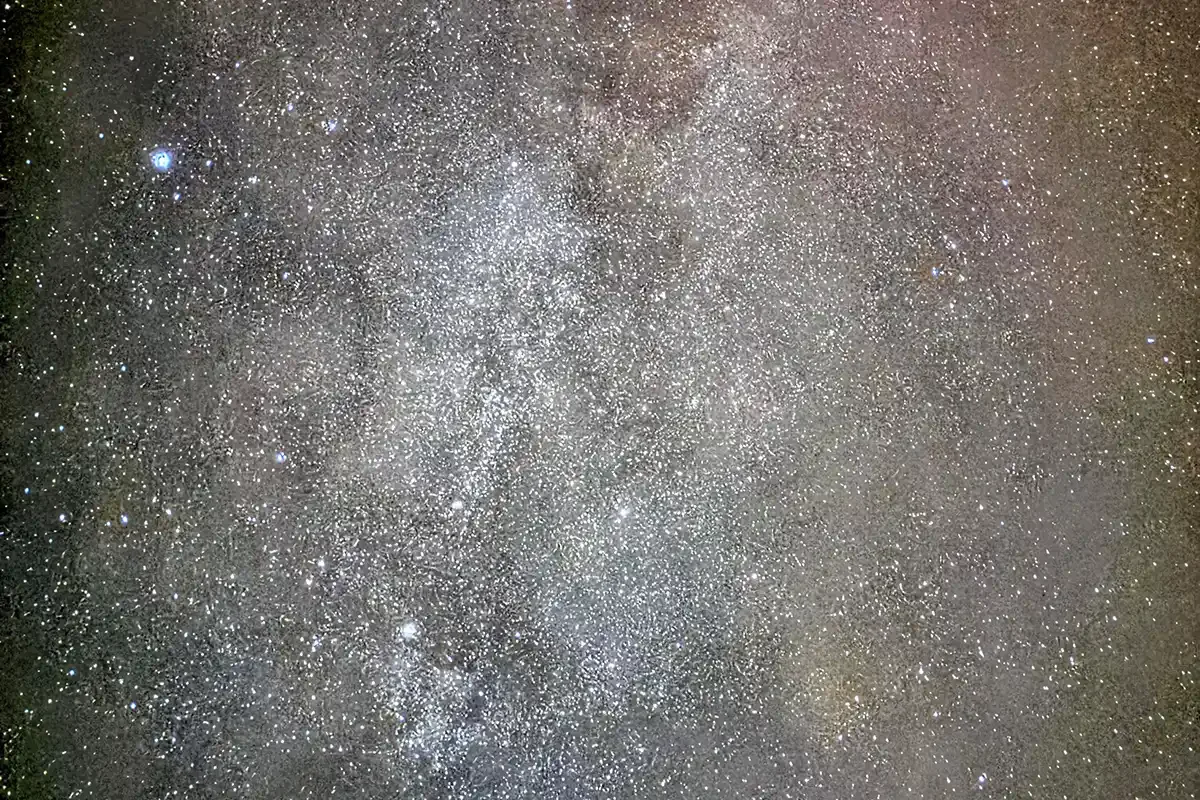
When I was 14, I decided outer space wasn’t for me.
A wave of unease washed over me when I learned that if the physics of our universe were even slightly altered, everything could cease to exist. I felt small and acutely aware of how little I could control. Existence became too fragile to comprehend, that is, until I went to Arizona.
In Arizona, the link between our existence, culture and nature becomes palpable. Arizona is home to eight Dark Sky Communities, and during my visit, I found a state deeply invested in protecting the nature, history and stories that might otherwise be lost. I felt awoken to the miracle of life, the beauty of the stars and the importance of our past.
Fountain Hills
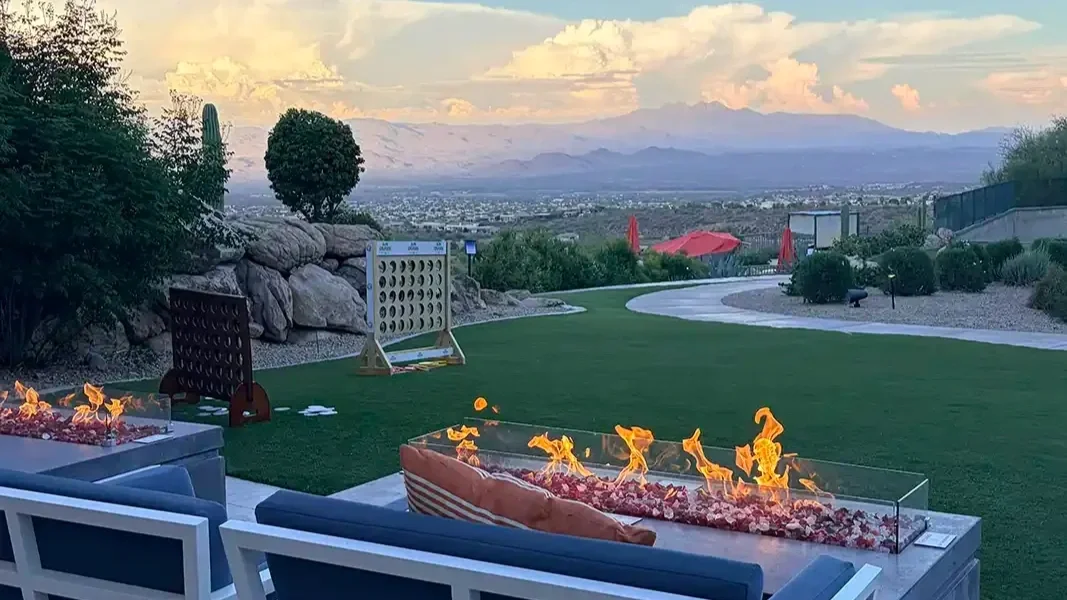
My journey began in Fountain Hills, a Dark Sky Community 30 minutes outside of Phoenix. Despite its proximity to a massive city, Fountain Hills is a stargazing sanctuary thanks to the local community. However, their motivation goes deeper than stargazing.
Our first night began at the breathtaking Adero Scottsdale Resorts, which offers stargazing every Friday with The Star Dudes. Our tour guide Vicky got involved in the Dark Sky Community after growing up in Idaho and realizing not everyone can see the night sky.
Vicky explained that the Romans used the same stars above us for military eyesight tests, and that both Greek and Roman societies told stories about the swan constellation. I felt the ancientness of the stars above, and a connection to the many cultures that shaped the world.
However, in most cities, we cannot see the same views our ancestors did. This sad reality disconnects us from the shared stories and heritage of past generations. “There’s no story left if you can’t see the stories; you can’t tell them to the next generation”, Vicky told us.
I gazed above at the night sky. The blazing light above me travelled 16–25 light-years to reach this moment. This ancient light travels for ages to shine in the sky each night, yet I rarely see it.
This is the motivation at the core of the Fountain Hills Community, which continues to influence their city. Set to open in 2027, the International Dark Sky Discovery Center is funded by the State of Arizona and by the community that has been transformed firsthand by the dark sky—the people of Fountain Hills.
Sedona
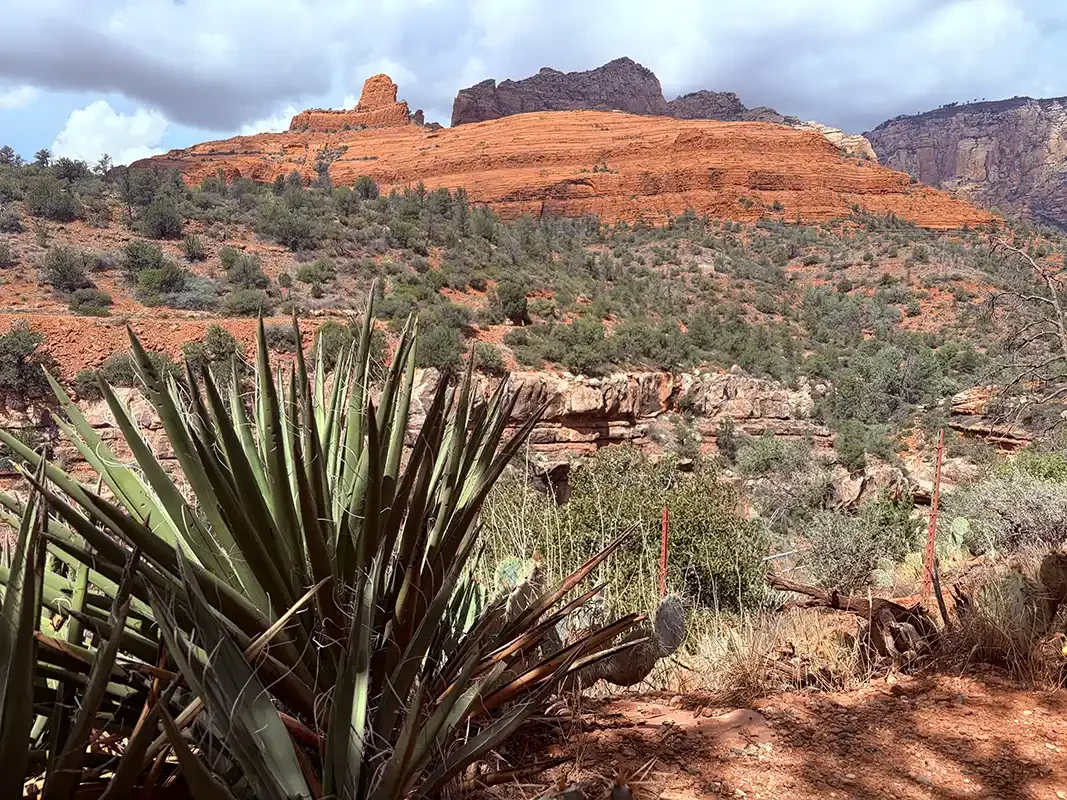
Arizona’s connection to the ancient parts of our world doesn’t just include the night sky. In Sedona, our vibrant planet comes alive.
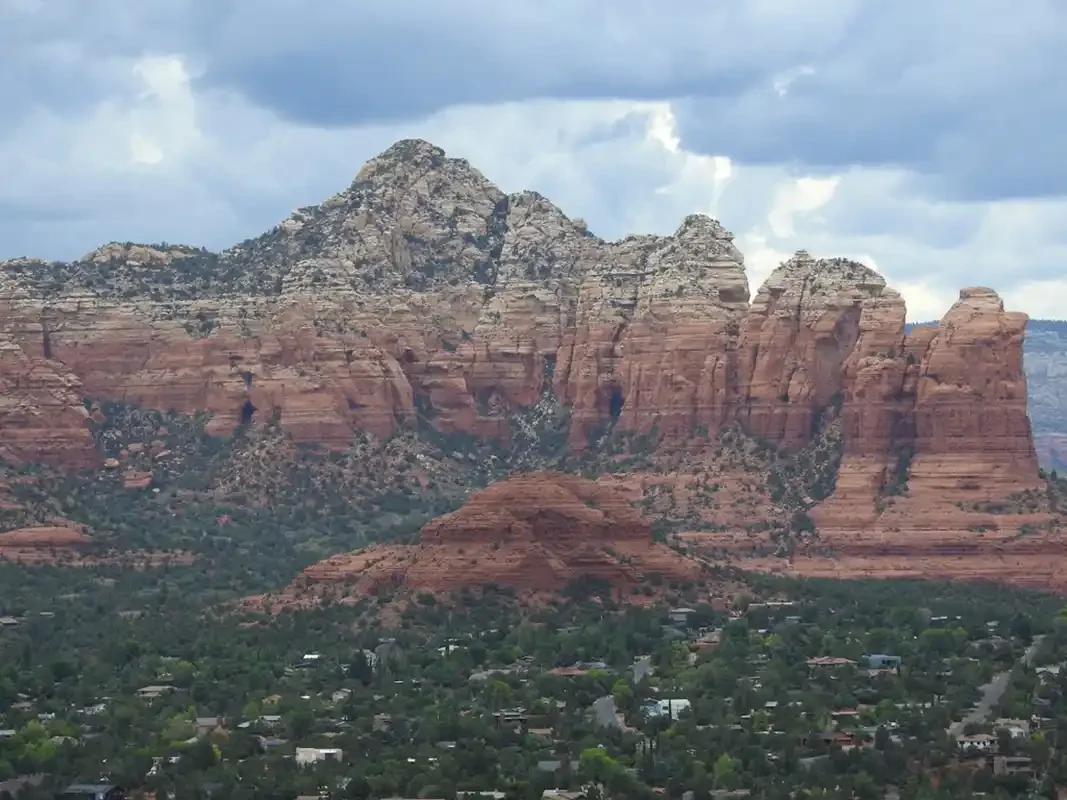
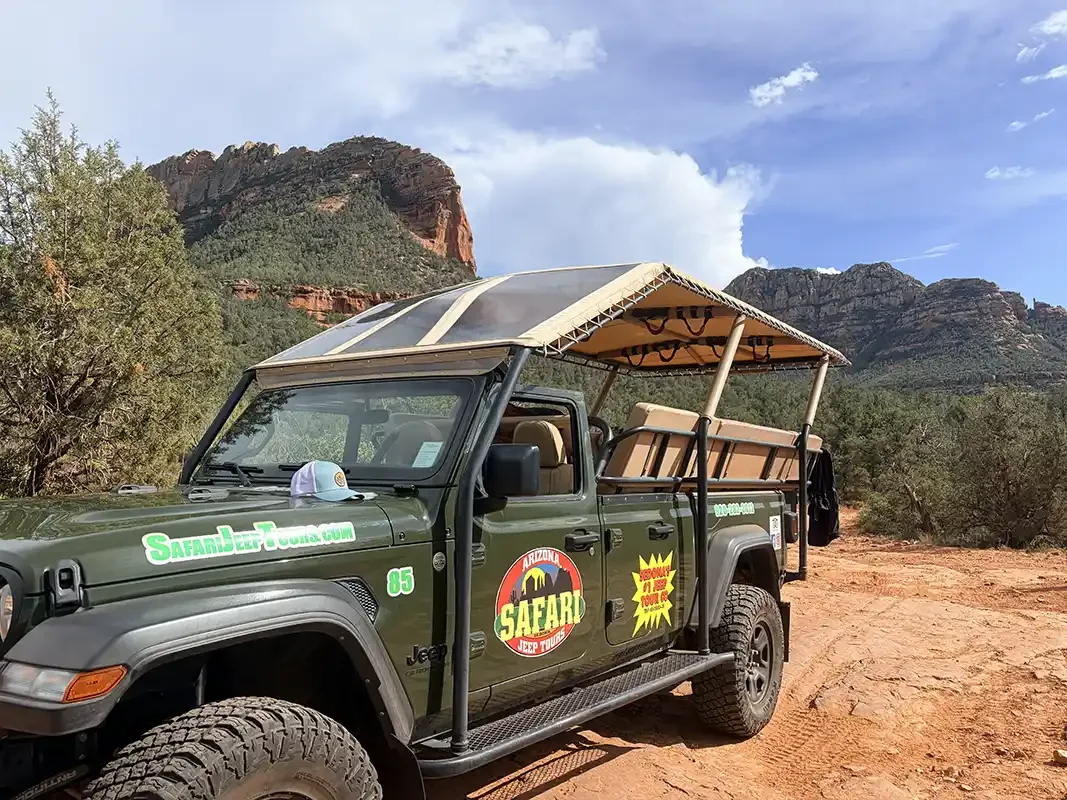
Arizona Safari Jeep Tours picked us up to explore an area that was once engulfed in water. Our tour guide, C.K., visited Sedona for just two days before falling in love with it and moving there soon after. It’s easy to understand how the beauty of the area can inspire such a decision. In the quiet moments when our jeep stopped, the hum of the ancient mountains engulfed us, and I felt privileged to stand between formations that stand the test of time.
The best spot to view the burst of colour is from the Mesa Scenic Overlook. From here, it looks like an artist painted rainbows across the rocks. The City of Sedona looks small in comparison, but perhaps that is the point.
Tip:
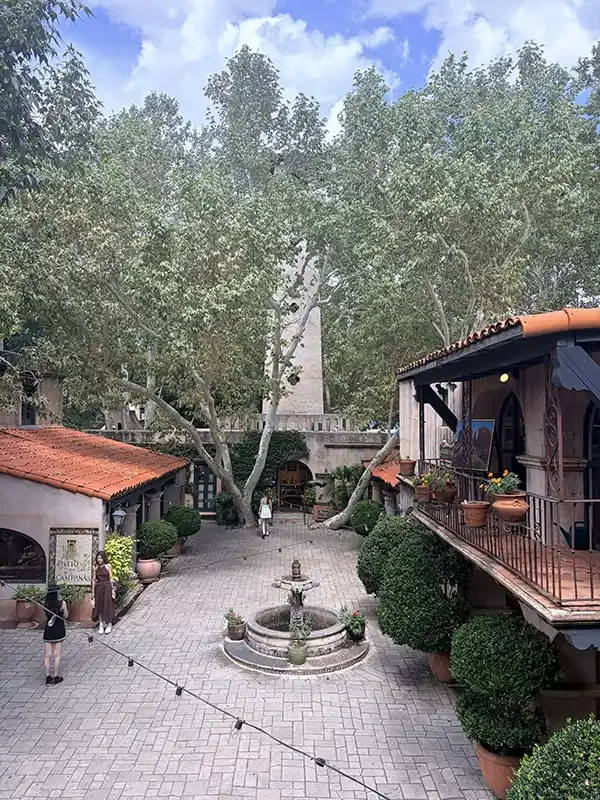
Visit Tlaquepaque Arts & Shopping Village. Built in the 1970s as an homage to a traditional Mexican Village, it was the most beautiful market I’ve ever visited, with over 50 unique shops.
Flagstaff
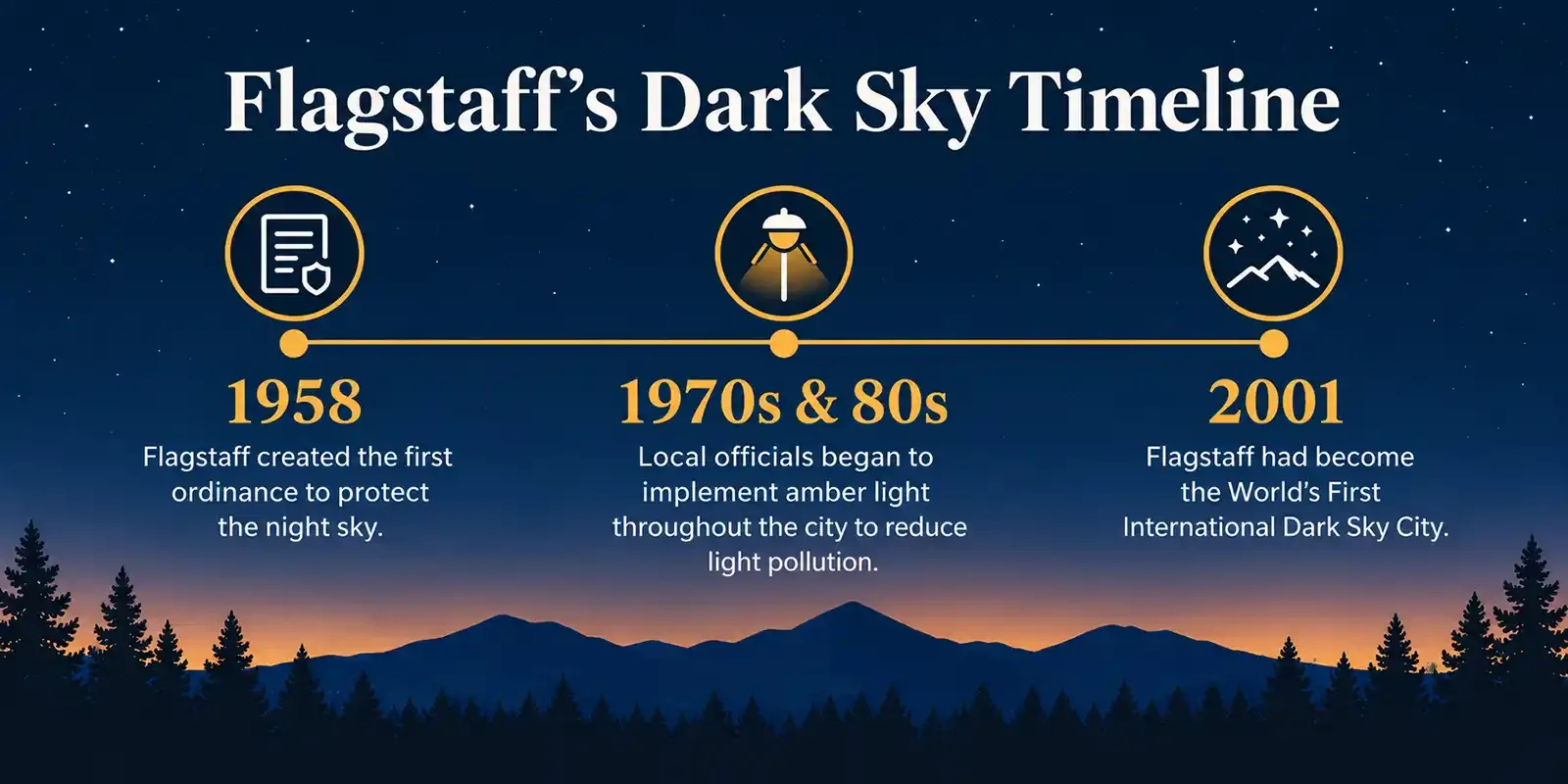
Flagstaff became the world's first International Dark Sky City in 2001.
Dr. Danielle Adams, Executive Director of the Flagstaff Dark Skies Coalition, embodies the community’s commitment to preserving its night sky. We met with Dr. Adams at Pizzicletta in Dark Sky Brewing, a name that aptly represents the community’s love for the stars.
“Cultures around the world are losing the night sky, and they aren’t oral cultures, so they lose their stories and can’t pass them on to the next generation.” Dr. Adams explained. This is the heart of Flagstaff’s Dark Sky story.
Three light requirements give communities like Flagstaff the Milky Way: amber lights, fully shielded street light fixtures and limited light output. Unlike other pollutants, once these changes are implemented, light pollution can be cleared up rapidly. The community is proud of the dark sky, and the city even convinced the local Target, Walmart, and Home Depot to change their lights. Flagstaff is a testament to the power of a united community vision.
“When a whole city protects the sky for all of its 77,000 residents, then everyone benefits. It doesn’t matter if you can’t afford to travel to a national park or how big your house is; everyone gets to be inspired by the night sky.” – Dr. Adams
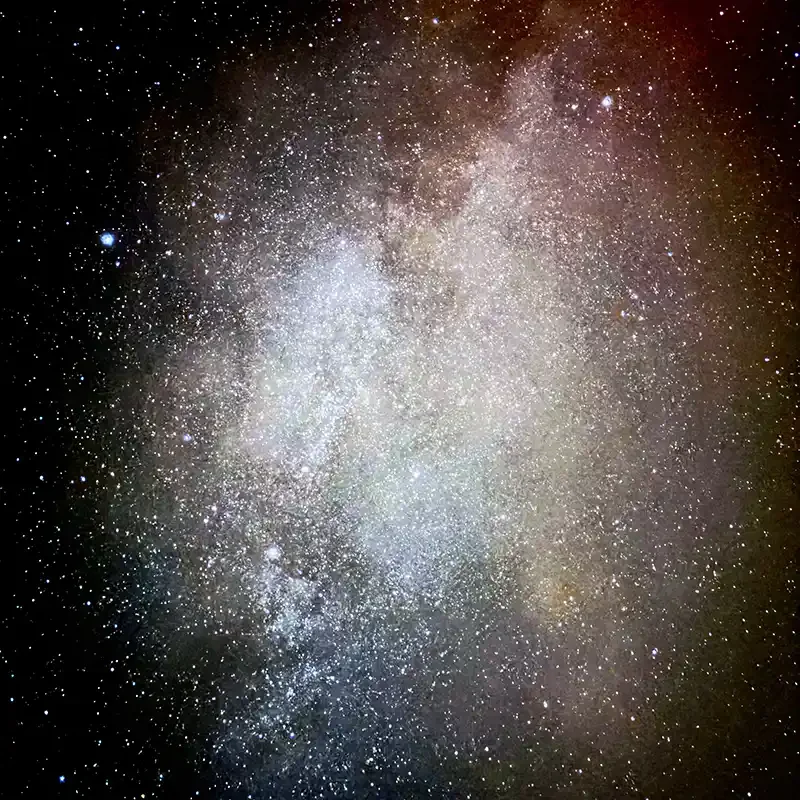
The Lowell Observatory
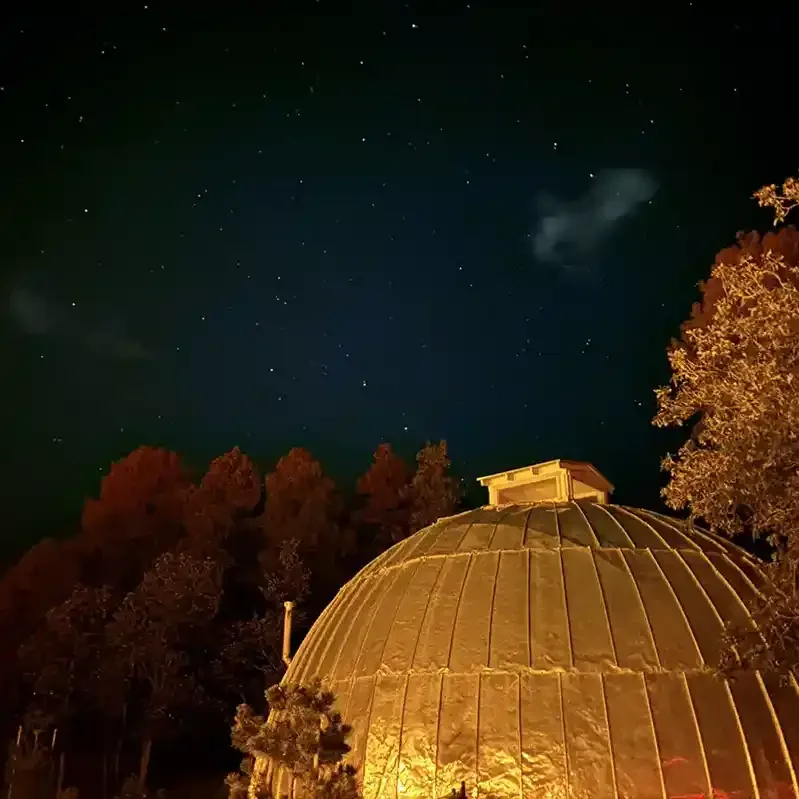
At Lowell Observatory, I began to understand the power of Flagstaff's choices.
Our visit began with a powerful presentation on constellations. The presenter told a story about a dark patch in the sky that astronomers thought was empty, until they used a telescope. They were shocked to find millions more galaxies. Suddenly, my long-standing discomfort shifted to awe. I felt grateful that despite the universe’s vast incomprehensibility, I get to experience the gift of life.
Inspired, I wandered out to the viewing deck and saw the Big Dipper for the first time. The observatory brought out several telescopes to show visitors the constellations. As I gazed through each lens, the final words of the presenter echoed through my mind:
“Earth is the only place we can confirm that life is possible. It’s a gift that we can look up at the night sky and wonder if we are alone. Take care of it and the people around you. It is our only home.”
The Stories Written in the Stars
The connection between the night sky and cultural preservation extends beyond Flagstaff. For the Navajo people, the stars are intertwined with traditions, ceremonies, and generational stories.
In their culture, the stars are woven into the rhythms of everyday life. According to Kristal Anderson from Discover Navajo, “I first learned about the night sky through one of our Emergence Stories, about Coyote, or Ma’ii in our language.” In the story, the Holy People arranged the stars on a Navajo blanket. Coyote grew impatient, picked up one end of the blanket, and flung the stars into the sky, creating the views above us today. This illustrates the power of the stars to retain ancient stories and traditions.
Bobby V. Martin from Discover Navajo grew up near the Grand Canyon, where he remembers looking up at the stars after the lanterns and fires died down.
“It felt like you could reach out and touch the Milky Way or the Big Dipper. Those are some of my favourite memories from childhood,” he recalls.
He hopes to create more stargazing opportunities for the Navajo people, helping future generations to experience the same power of the expansive night skies.
Winslow
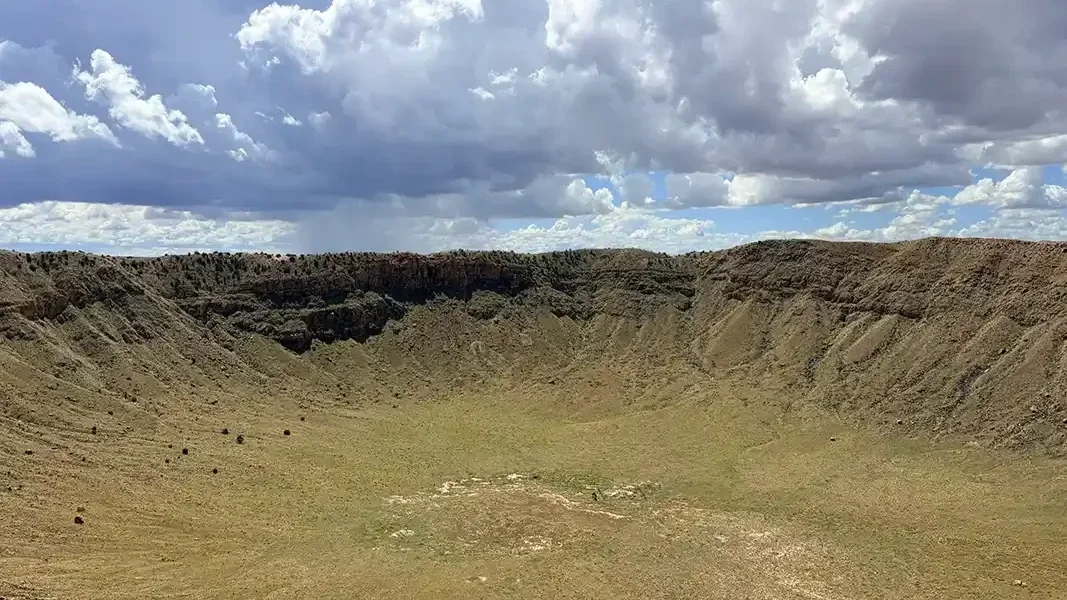
Meteor Crater and the Barringer Space Museum
50,000 years ago, a meteor crashed into Winslow, Arizona. Within seconds, it caused massive explosions, throwing millions of tons of rock over the surrounding area and opening a giant crater.
Meteor Crater is also a training site for each astronaut who visits the moon. Its rocks closely resemble the moon’s landscape, making it the perfect training ground for geology, sampling and traverses. Even when the stars feel like an invisible force, Meteor Crater is a reminder that space is not a distant entity, but an intertwined part of human history that still inspires our scientific advancements and stories.
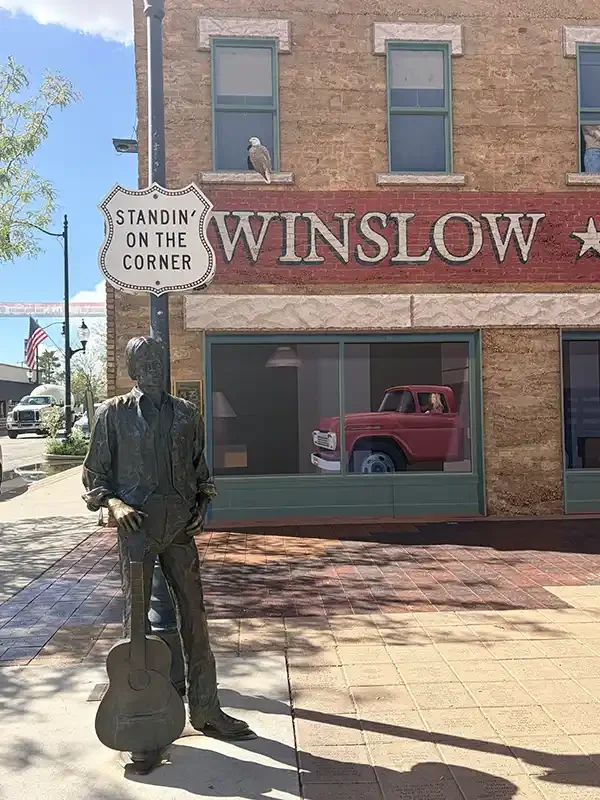
La Posada Hotel
The importance of preservation isn't limited to the natural world. Although Winslow is famous for Route 66 and a legendary mention in the Eagles song “Take It Easy”, it also shares the same spirit of protecting Arizona’s heritage. Just like Flagstaff and Scottsdale safeguard the natural world, Winslow is keeping historic places alive. This is particularly clear at La Posada Hotel.
In 1903, the Fred Harvey Company hired Mary Colter to design hotels, restaurants and gift stores along the Santa Fe Railway. Colter did not believe that culture came exclusively from Europe, but that it could be found in Arizona. Southwestern haciendas and local indigenous cultures inspired her design of La Posada, establishing her as one of America’s most influential female designers.
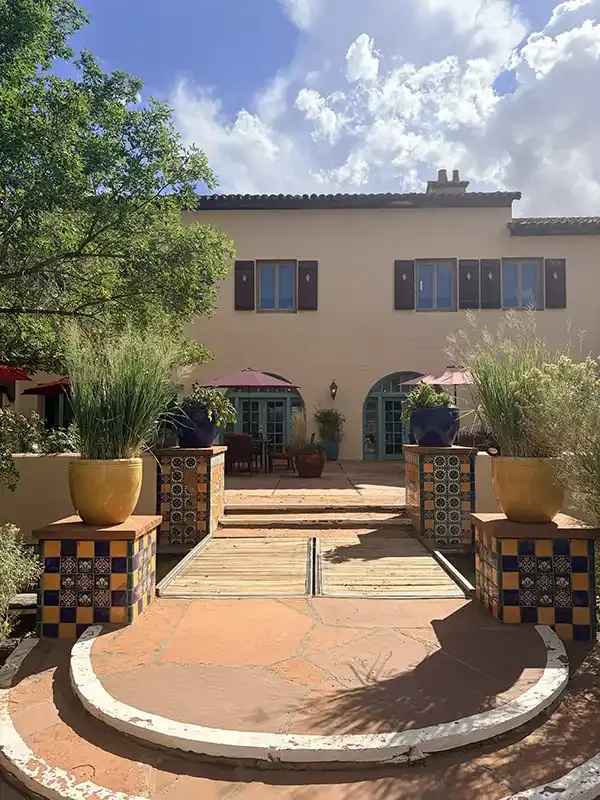
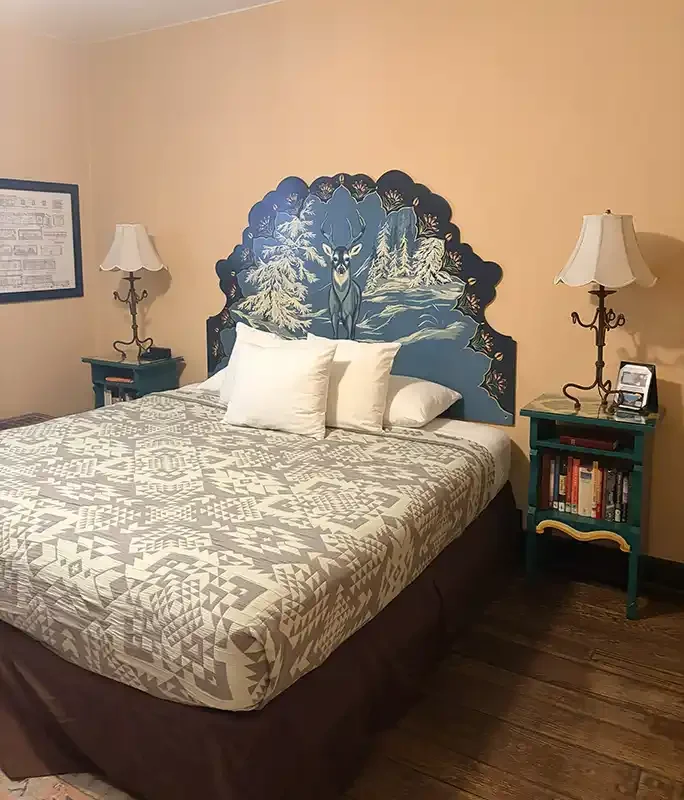
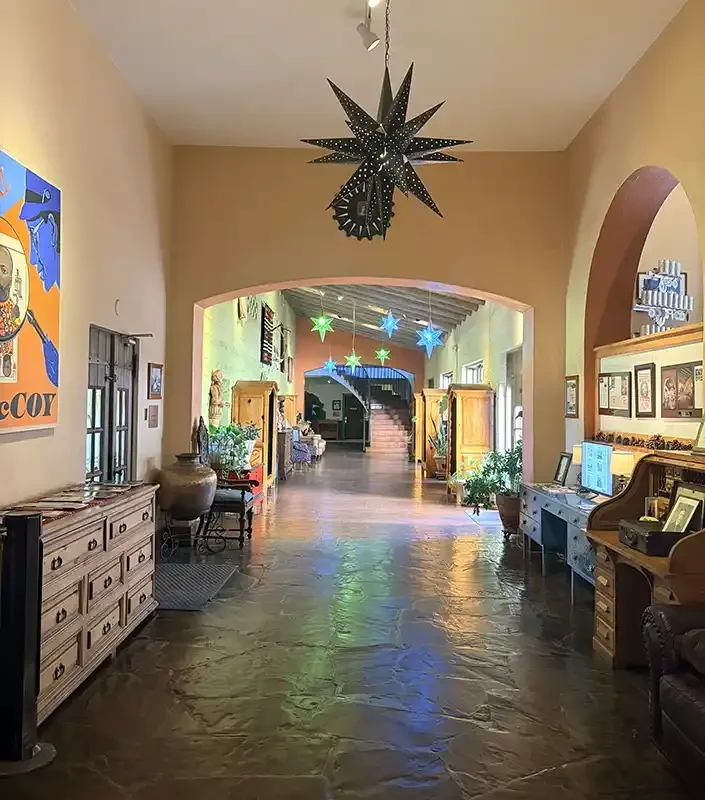
Despite her powerful vision, the hotel opened in 1930 only to close in 1957. By 1959, many of her museum-quality furnishings disappeared into the hands of strangers, with La Posada eventually converted into an office building. Just as light pollution erases the cultures and stories tied to the stars, the same neglect erases the physical reminders of our history.
However, this wasn’t the end of the story. The once beautiful hotel seemed destined for ruin, but everything changed when Allan Affeldt purchased La Posada after three years of negotiations.
According to Affeldt,
“I believe we save great buildings in the same way we save families, cities and nations: one day at a time, with constant investment and courage, undaunted by naysayers and long odds. I believe in the sacredness of place, and in the power of great architecture to inspire creativity, kindness, and civic responsibility.”
Colter died convinced that her precious La Posada was destined for destruction. However, Affeldt believes too much is lost in a disposable culture. Today, La Posada is treated with the respect it deserves, preserving the artistic spirit Colter intended.
Arizona is a testament to the power of preservation. When we disregard nature, we lose the intertwined cultural stories. When we disregard our culture, we lose the monuments of the past that unite us. Whether it’s the history and culture of La Posada or the way the stars rebound in full force in Arizona’s dark sky communities, it’s a place that makes it easy to appreciate the miracle of life and our stories.
Next time you look at the night sky, stop for a moment and let yourself feel the gratitude and discomfort of your smallness. And if you want to see the stars for yourself, Arizona is a good place to start.

PHOTOS: NIGHT SKY AND MILKYWAY IMAGES BY KIRK D'SOUZA. ALL OTHER PHOTOS BY ANALISE SAAVEDRA