Hangzhou – China’s Cultural Heartbeat in a Tech-Driven World

Hangzhou lies in eastern China, about 180 kilometres southwest of Shanghai. Known for its blend of history and beauty, Hangzhou offers some of the most captivating tourism highlights in China. Hangzhou, between West Lake and Zhejiang hills, was once the capital of the Southern Song Dynasty. For centuries, it has inspired travellers and artists alike.
Marco Polo called it “the most splendid city in the world”—and after visiting, I can say he wasn’t wrong. Firstly, this city doesn’t rush to impress—it simply invites you to step in, slow down, and take your time. The calm energy and palpable sense of history make it a place unlike any other.
Historically, Hangzhou has remained a thriving centre for silk production and tea trade. Before, the Grand Canal linked Hangzhou to China’s heartland, shaping the city’s economy and culture over centuries.
The Spirit of Hangzhou: A City of Heritage and Innovation
Today, Hangzhou has effortlessly blended its ancient traditions with modern innovation. Home to Alibaba, one of China’s largest tech giants, Hangzhou has become a major global tech and business hub. Remarkably, the city has managed to preserve its historical character while embracing change and growth. Furthermore, West Lake, a peaceful retreat that has inspired poets and artists for centuries, remains a focal point of the city. Hangzhou’s cultural roots—its temples, gardens, and tea fields—remain vibrant as it embraces modern tech and commerce. Consequently, this blend of old and new makes Hangzhou one of China’s most dynamic cities where culture, business, and history converge.
Hangzhou Tourism Highlights:
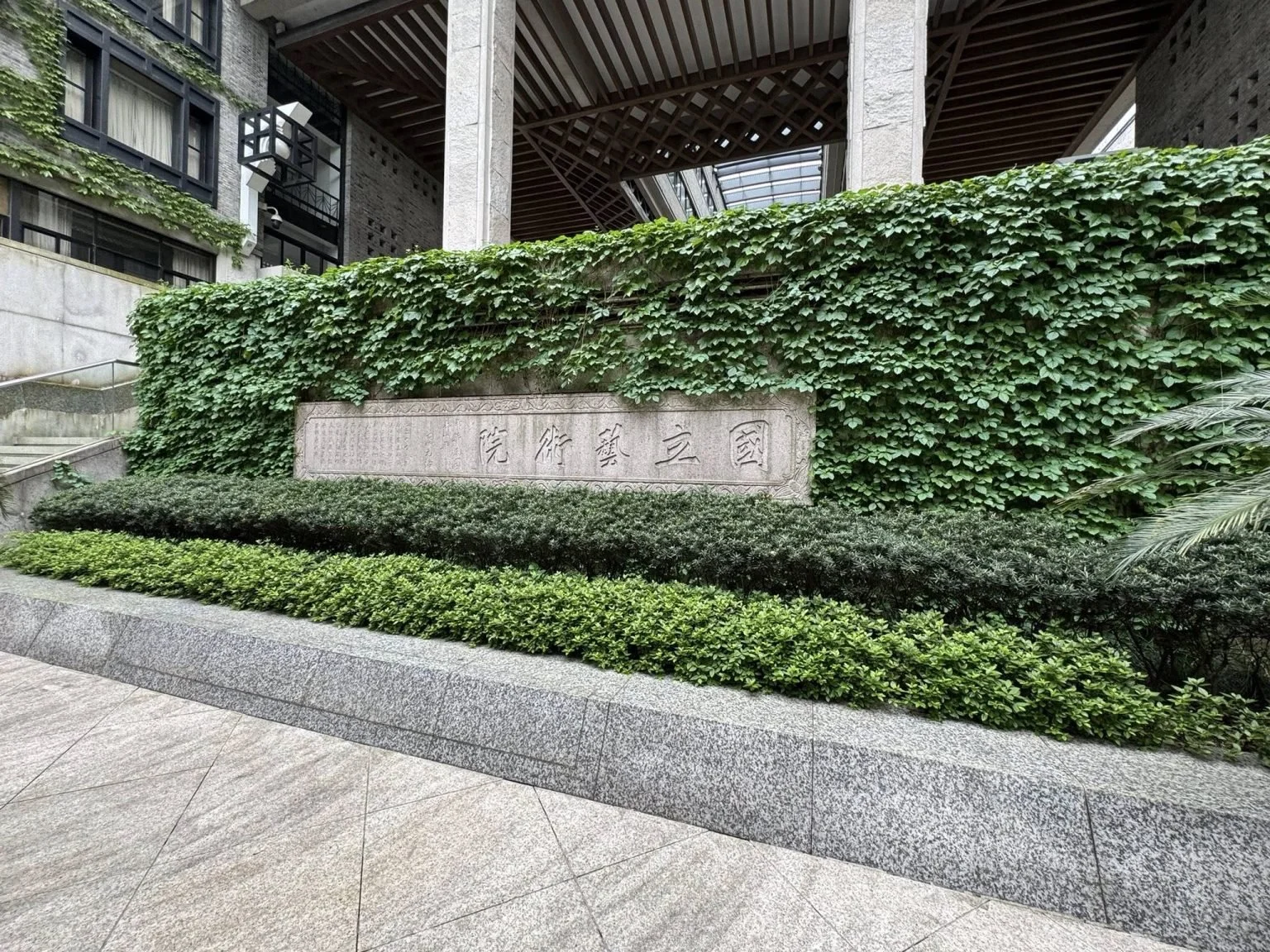
Firstly, one of the standout Hangzhou tourism highlights from my visit was touring the China Academy of Art (CAA), the country’s leading fine arts institution. Located just a short distance from West Lake on Nanshan Road, the Academy has been shaping Chinese artists since its founding in 1928. Specifically, it’s a place where classical Chinese techniques are taught alongside cutting-edge contemporary art, reflecting the ongoing evolution of Chinese visual culture.
The campus itself, designed by Pritzker Prize-winning architect Wang Shu, is a work of art in its own right. Specifically, the architecture combines modern design with traditional Chinese elements, perfectly embodying the Academy’s philosophy of balancing heritage with progress.
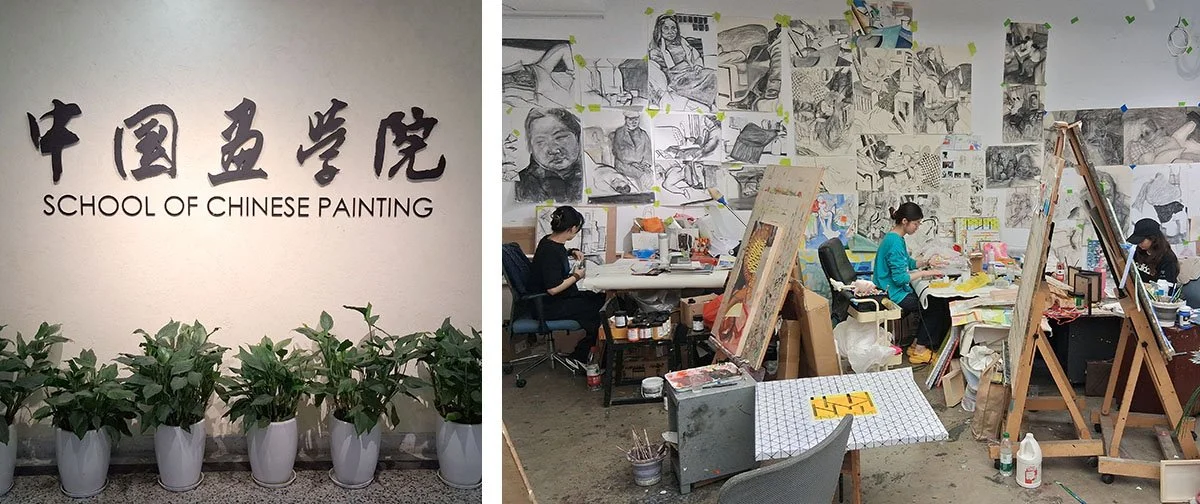
While touring the campus, I had the chance to meet students and sit in on a class. Their work, ranging from traditional ink paintings and modern sculptures to experimental digital art, was inspiring. What struck me most was the energy of the students, fully immersed in both the rich history of Chinese art and their pursuit of new, innovative forms of expression.
Hangzhou Tourism Highlights- Black Myth: Wukong and the Global Gaming Scene
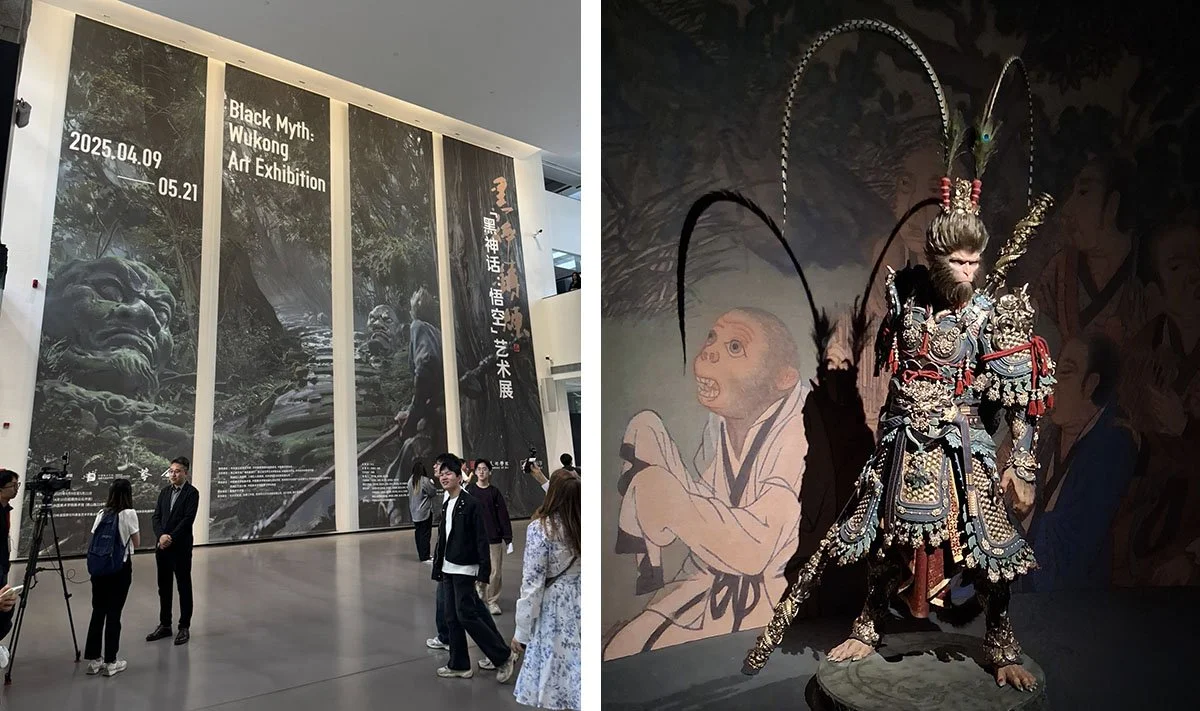
Adjacent to the Academy, another cluster of fascinating Hangzhou tourism highlights awaited—the Black Myth: Wukong art exhibition. Game Science’s hit action RPG draws from the classic novel Journey to the West. The game reimagines the legendary Monkey King, Sun Wukong, blending traditional Chinese folklore with cutting-edge graphics and gameplay.
Black Myth: Wukong became a worldwide phenomenon, selling over 10 million copies within its first three days and amassing over 100 million players. With its cinematic visuals, intricate narrative, and innovative gameplay, the game has broken records, establishing Chinese storytelling as a significant force in the global gaming industry.
The Black Myth: Wukong exhibition in Hangzhou provides a fascinating look at how China’s ancient culture is brought to life through modern digital art. Whough fictional, the game draws heavily from Chinese myth and folklore, reimagined through a modern lens. Concept art and installations reveal how tech reimagines traditional Chinese stories. It powerful evidence of how digital storytelling is reshaping China’s cultural heritage.
Visiting both the China Academy of Art and the Black Myth: Wukong exhibition reinforced why Hangzhou is such a significant cultural hub. It’s a place where art, technology, and storytelling converge in extraordinary ways.
Hangzhou’s Greatest Tourism Highlight: West Lake
West Lake is Hangzhou’s greatest tourism highlight, and for good reason. It’s not just a beautiful spot; it’s the heart and soul of the city. I strolled West Lake for hours, soaking in its serenity alongside locals and tourists. Additionally, we took a boat ride across the lake, passing famous landmarks like Leifeng Pagoda, Three Pools Mirroring the Moon, and small islands plucked straight from a Chinese painting.
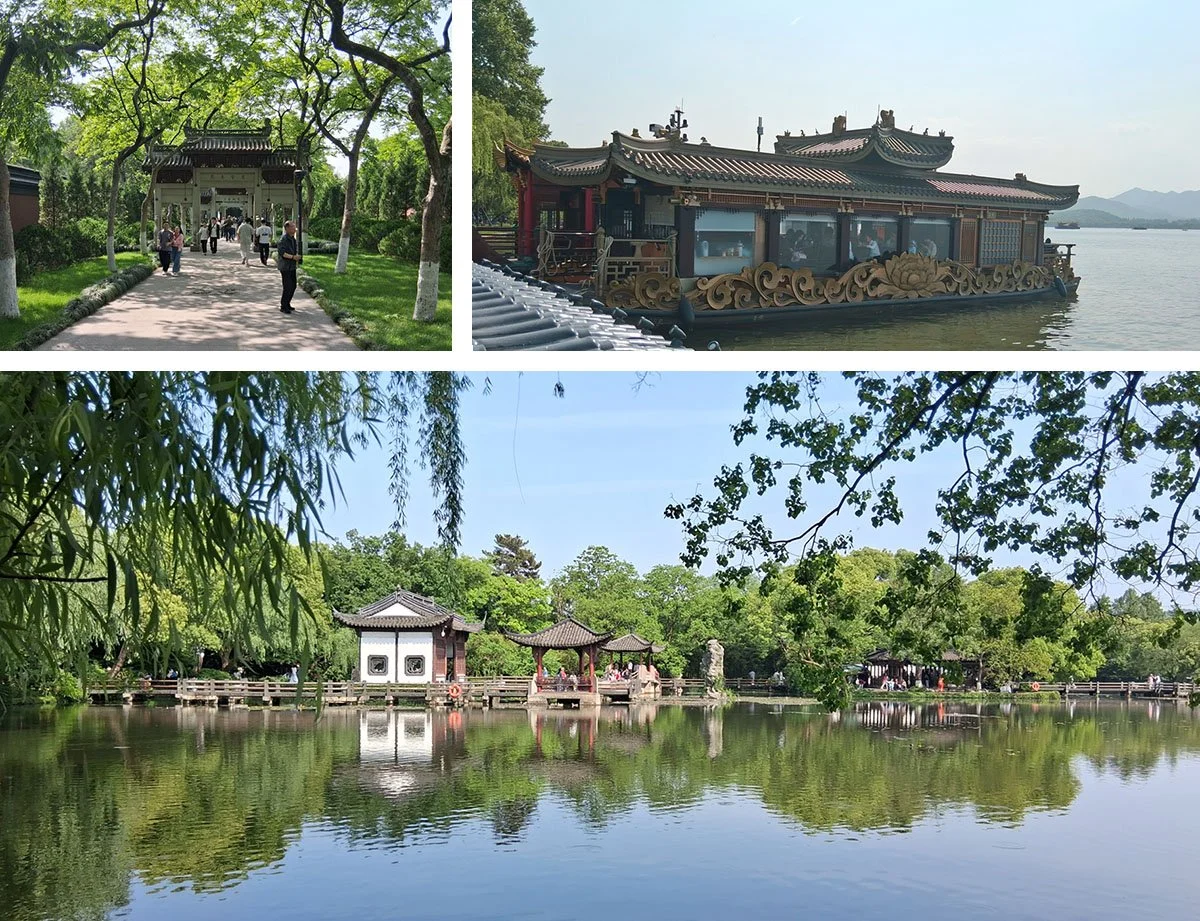
There’s a walking path that loops the lake—about 15 kilometers long. You can choose to walk the entire perimeter or just part of it, taking in the view at your own pace. Alternatively, bikes are available for rent, allowing visitors to enjoy the scenery comfortably.
Lingyin Temple, just beyond the city centre, is among China’s oldest and most revered. Nearby, Longjing tea fields rise along the hills—home to China’s famed Dragon Well tea.
A Taste of Hangzhou
Hangzhou’s cuisine, like the city itself, is all about balance. Known for its fresh and light flavours, the food emphasizes the natural taste of local ingredients, never overpowering the palate.
Undoubtedly, a must-try dish is Dongpo Pork, named after the famous Song Dynasty poet and official Su Dongpo. The dish features braised pork belly so tender it practically melts in your mouth. Simmered in soy, wine, and spices, it’s been a local favorite for centuries Furthermore, another signature dish is West Lake Vinegar Fish, a tangy-sweet delight, usually made with fresh fish caught right from the lake.
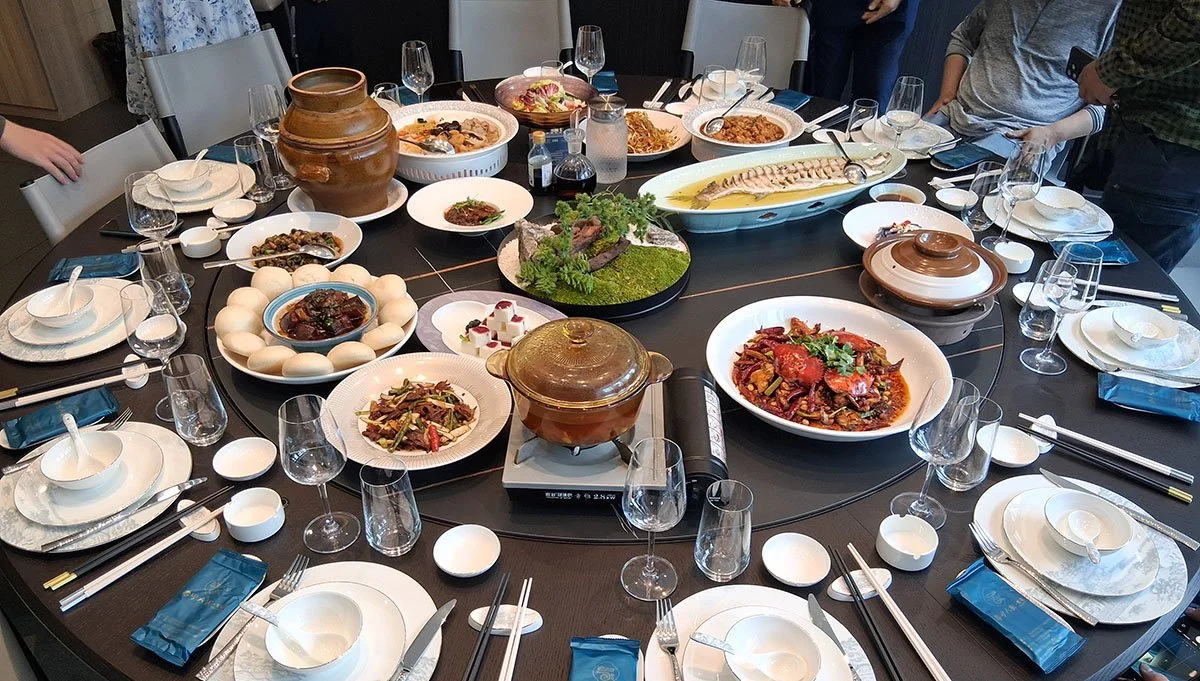
Longjing Tea, or Dragon Well tea, is Hangzhou’s pride. You’ll find it in everything from a simple hot cup of tea to more inventive dishes. One of my favourites was called Tea-Smoked Duck, where the duck is smoked with the flavour of tea leaves.
Additionally, in and around West Lake, vendors offer everything from dumplings and noodle soups to stir-fried rice cakes—perfect for a quick bite or a leisurely meal. The food here is never heavy or overwhelming, always flavorful and satisfying, much like the city itself.
Hangzhou’s Timeless Appeal
From ancient temples and tea plantations to cutting-edge art exhibitions and global tech hubs, Hangzhou seamlessly blends its history and modernity. First, you’re by a centuries-old lake, then followed by a high-tech world inspired by Chinese myth. However, Hangzhou doesn’t feel like a city of contrasts; it’s a place where everything coexists effortlessly.
You can read more about some of our favourite highlights in China here.
This trip was made possible by the Chinese Embassy in Canada, which invited artists, film critics, arts and culture writers, travel journalists and bloggers to experience the city’s rich history and dynamic modern culture firsthand.
Header image: An aerial view of West Lake’s Leifeng Pagoda with the urban centre of Hangzhou in the distance. (Photo: iStock)