3 Days in Stockholm: A Guide to Fika, Museums & the Swedish Archipelago
From world-class museums and Swedish fika to the islands of the Stockholm archipelago, discover how to spend three days exploring Stockholm's food, culture, history and neighbourhoods.
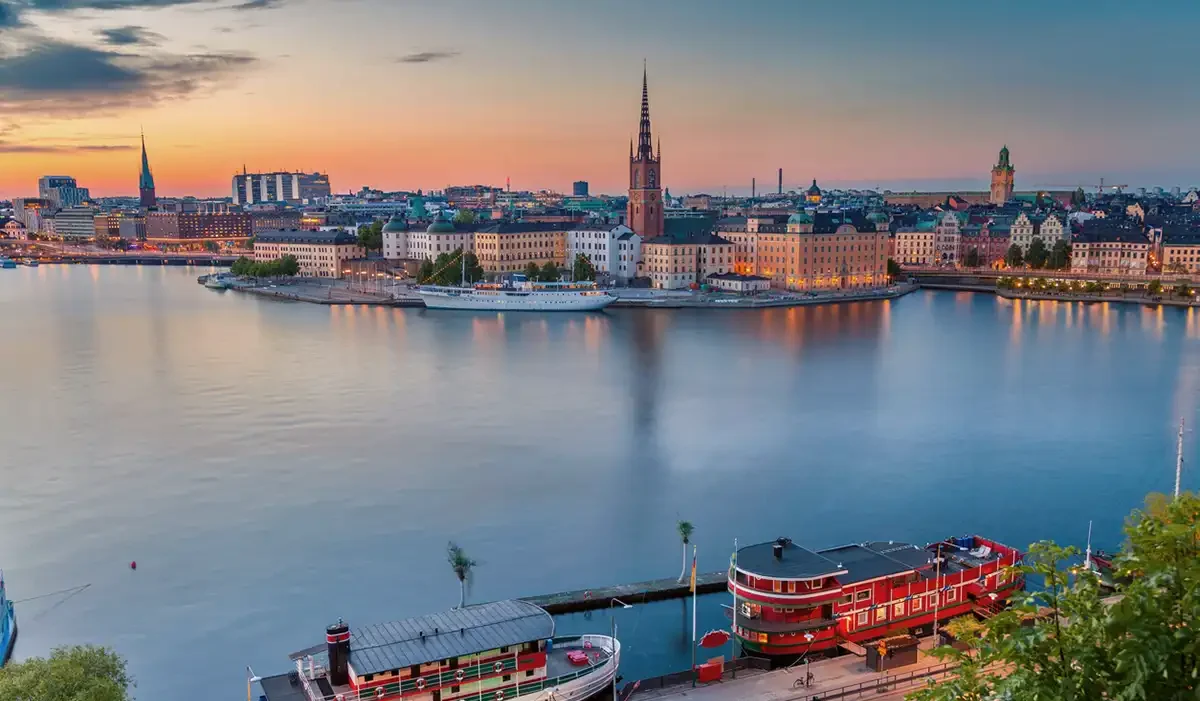
There is a famous Swedish tradition called “fika”, which refers to an intentional break over coffee, tea, pastries and a good dose of quality time with friends. The spirit of fika seeps into nearly every street in Stockholm. After three days in Stockholm, it became clear that it’s not a city that leaves you tired, but rejuvenated. The abundance of parks and benches along the water invites you to relax as you wander. Every corner holds a simple, gentle yet beautiful elegance. It doesn’t feel overwhelming, but like a city earnestly inviting you to explore at your own pace. From world-class museums and charming neighbourhoods to taking a boat through the Stockholm archipelago, there are plenty of memorable activities to add to your 3-day Stockholm itinerary.
Table of Contents:
Day 2: Take a day trip to Vaxholm and explore the Stockholm archipelago.
Day 3: Explore Stockholm's food scene, Gamla Stan and Södermalm, with time for fika.
Day 1- Best Museums in Stockholm: Exploring Djurgården
Djurgården island is an ode to museums and Swedish history. From the moment we arrived by bike, we felt overwhelmed by the options.

The Vasa Museum
Imagine the splendour of the mightiest ship in the 17th century. Its construction cost more than 5% of Sweden's economy at the time, and the finest Renaissance-inspired sculptures adorned its exterior, a signal to everyone that King Gustavus Adolphus possessed only the strongest warships. It was a sight to behold, except for the fact that it was only seen above water for 20 minutes before sinking.
The ship was eventually recovered in 1961, 333 years later. This is the Vasa, the ship destined to be Sweden’s pride, now housed in a museum dedicated to the history it holds within its fully intact hull. The museum is several floors high, with each level exposing new impressive heights to the ship’s artistry.
Skansen Open-Air Museum
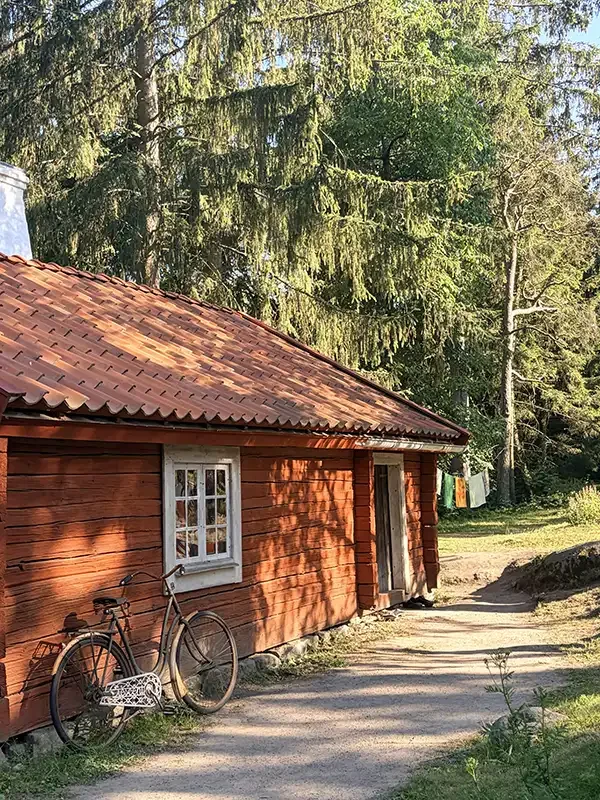
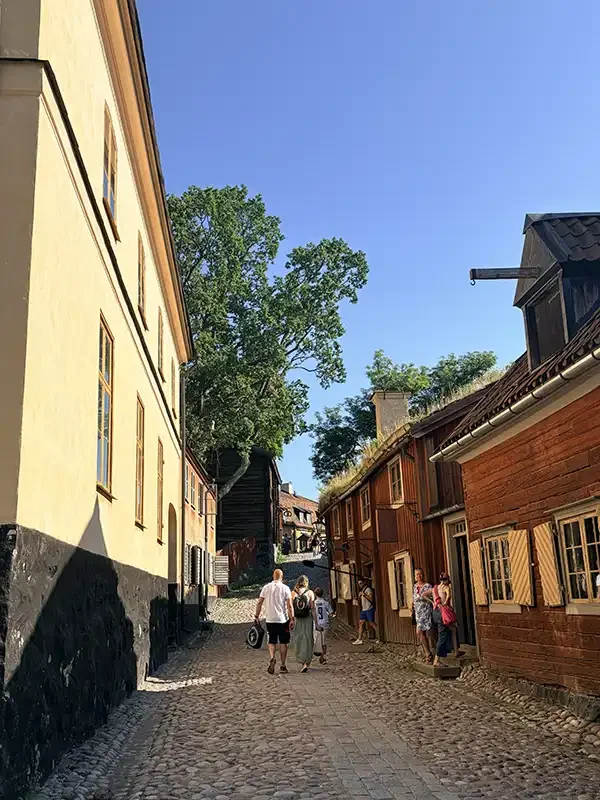
The best museum is one that pulls you out of your present reality and makes you feel transported back in time. This is the founding principle behind Skansen, which is why it is the world’s oldest open-air museum.
Originally built in 1891, Skansen was intended to preserve Sweden’s cultural heritage from industrialization. With over 150 houses from as far back as the 14th century, Skansen is an immersive walk through Swedish history. It’s peppered with historic buildings, old crafts, and authentic costumes by staff performing blacksmithing, glassblowing, and other traditional tasks just like their ancestors centuries prior.
I entered an old house with green and white patterned wallpaper and a wooden piano which smelled like the past. Like the rest of Skansen, it made me wonder what the lives of those who’d lived here centuries before had been like, and for a brief moment, I even felt a part of it. This is what Skansen does best, and why it’s worth adding to your Sweden itinerary and dedicating several hours to get lost in its winding streets and forests.
A day exploring Djurgården is not complete without a sunset picnic. We headed to the nearest grocery store before settling in a field to the right of the Vasa Museum. A couple danced behind us while the colours of the sunset reflected in the ocean waters ahead.
Day 2- Vaxholm: The Best Day Trip from Stockholm
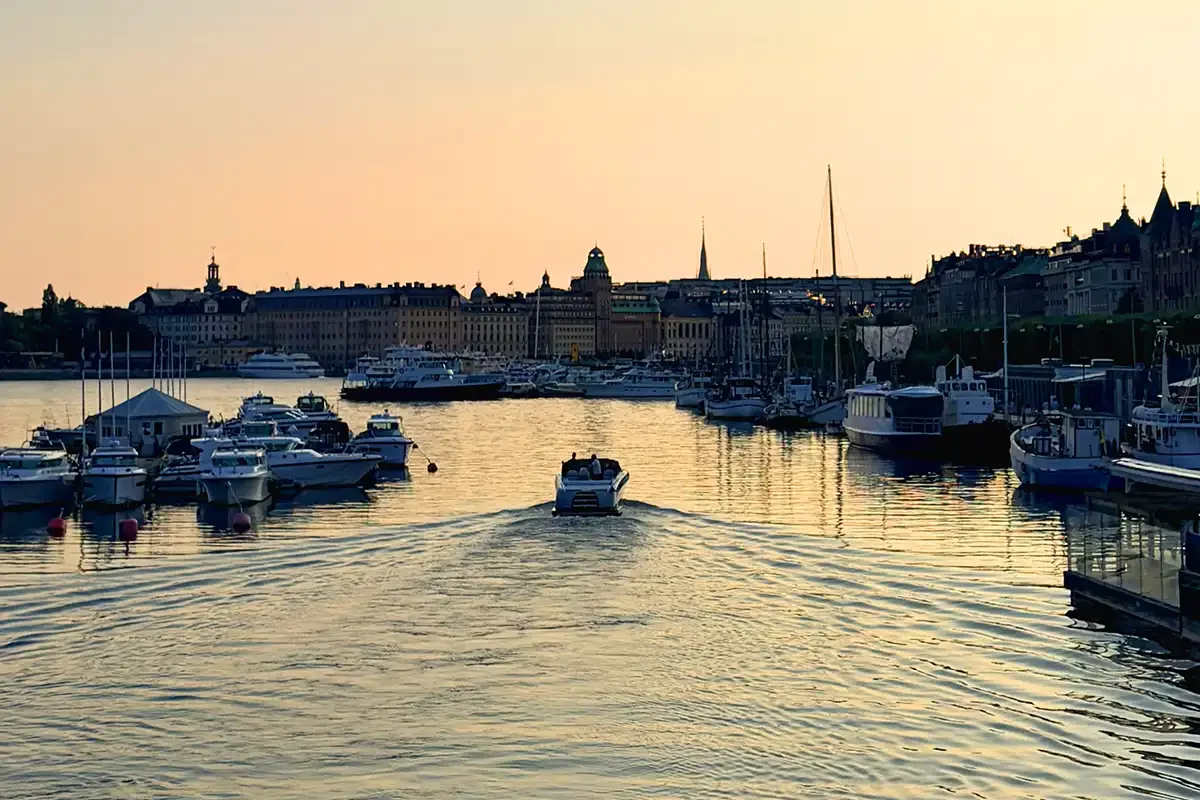
A Vaxholm day trip is one of the best ways to experience the 30,000 islands across the Stockholm archipelago. Just an hour from Stockholm, even the boat ride there is worth it, passing countless small islands and cabins as you watch the summer sun reflect on the water.
Vaxholm is home to many cafés, boutiques and restaurants and is best explored by kayaking or biking. However, the real highlight is the Fortress, a two-minute boat ride across the water. The Vaxholm Fortress was built in the 16th century as a key outpost to protect Stockholm from attack, most famously during Russia's 1719 attacks on the archipelago. Although the Russians burned down practically every building in Stockholm’s archipelago, they could not breach the fortress's walls, which ultimately saved Stockholm.
Today, the fortress stands as tall and mighty as it did to the Russians hundreds of years ago. It’s quiet inside, but the echoes of history remain loud. The interior of the fortress is home to numerous cannon models, and even the oldest sea mine from 1831. There are several exhibits inside, and even a bed and breakfast.
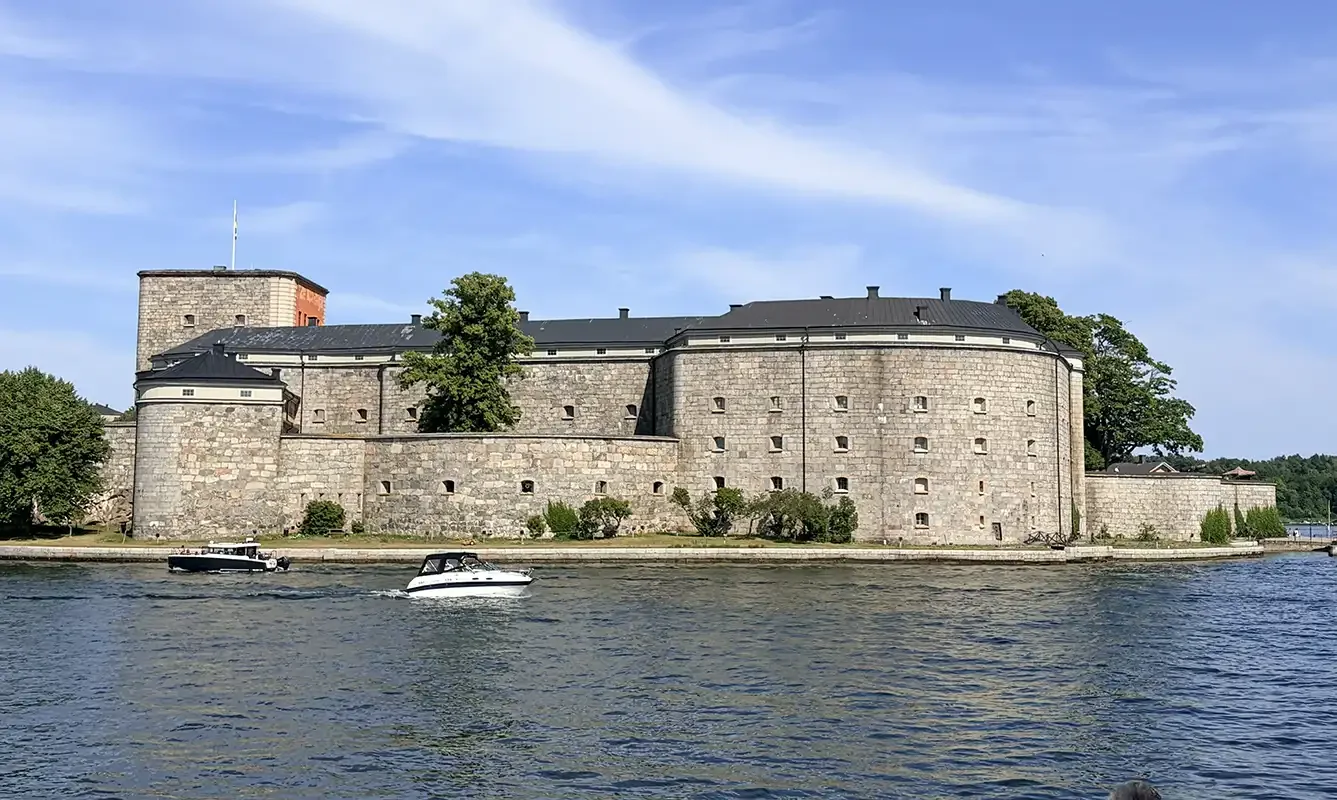
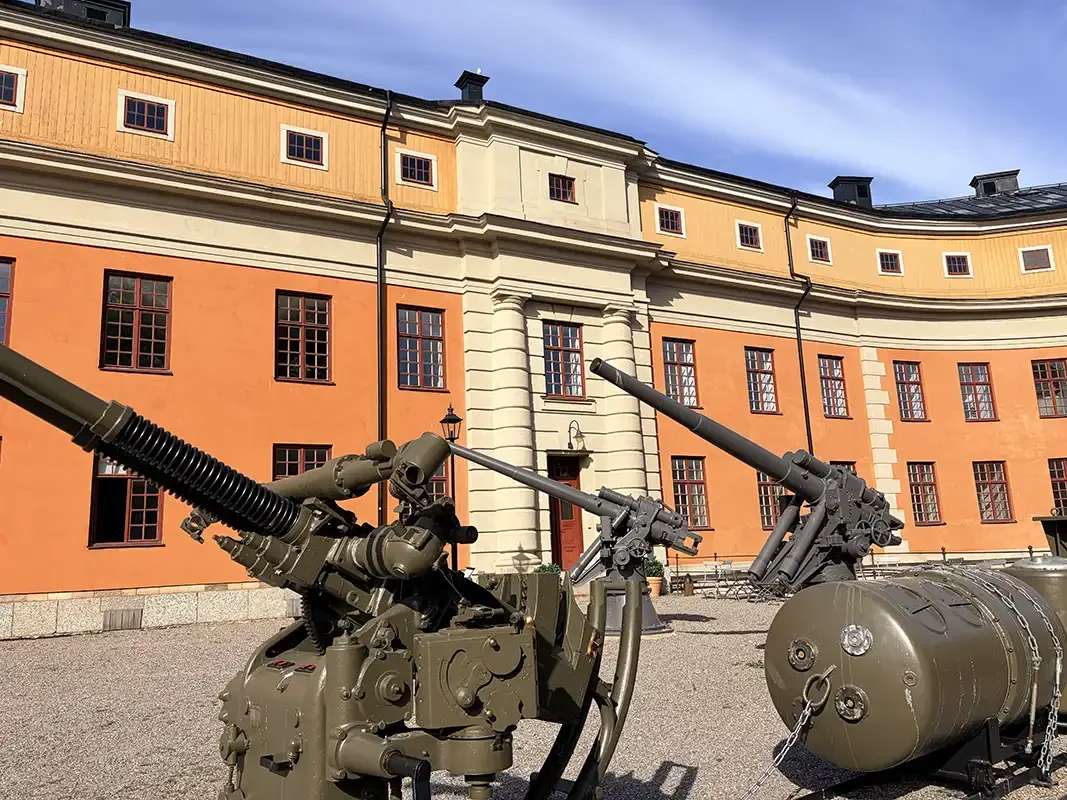
However, one of the most touching highlights is the boat-waiting room built by two families who still live on the small island. The small shed holds ample amounts of history, from former soldiers’ graffiti to the fishing net of a legendary fisherman. The description of the different items inside feels like a personal love letter from the island's residents, and like much of Stockholm, I believe a part of me fell in love with its charm too.
Day 3- Gamla Stan, Fika and Södermalm
Where to Eat in Stockholm
Although Swedish meatballs are indeed a highlight, Stockholm makes it glaringly obvious that the delicious food does not start and end with this classic dish.

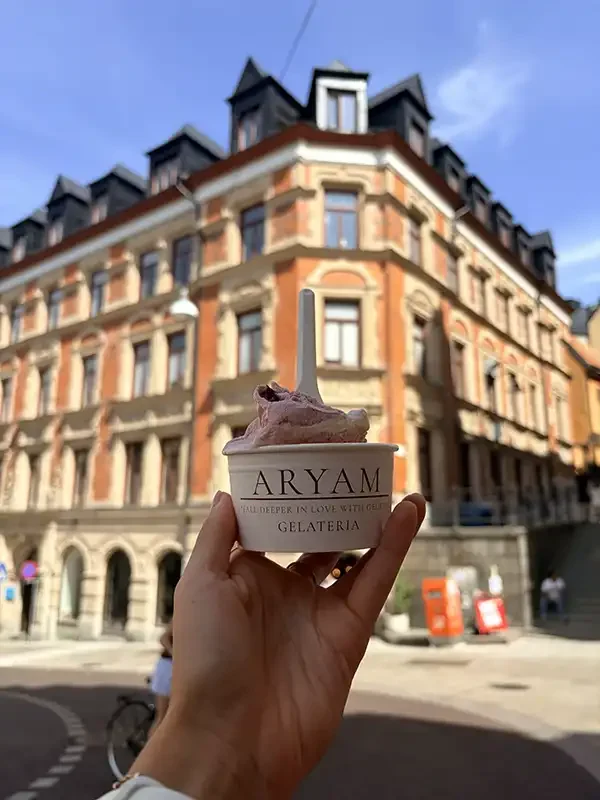

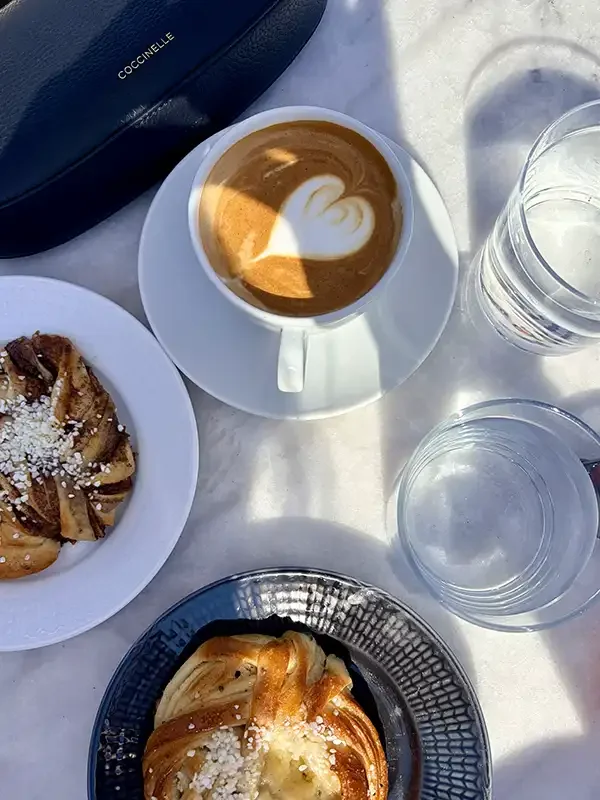
LEFT TO RIGHT: Brunos Korvbar, Aryam Gelato, Fabrique, Skeppsbro Bakery
For the best Swedish hot dog, head to Brunos Korvbar. The tile patterns on the wall mirror the hot dog sandwiches: simple, yet satisfying. It's the perfect welcoming lunch spot. Brunos Korvbar is known for its sausage sandwiches, with a variety of flavours to choose from alongside toasted bread, pickles and sauerkraut.
For coffee, visit Drop Coffee: This spot is known for its specialty coffee with strong relationships with its producers abroad (you can read about them in the shop). They have an assortment of delicious pastries and even a designated computer room in the back for remote workers and students.
For dinner, Gyros STHLM is home to a variety of gyros from around the world. The meat is perfectly grilled, and the sauce is delicious.
For dessert, head next door to Aryam Gelato (trust me, it’s worth it). Their logo is “fall deeper in love with gelato”, and their decadent, creamy scoops no doubt make it happen.
For the top cardamom buns in Stockholm- head to Fabrique Stenugnsbageri. We tried different cardamom buns from a variety of places, but this one was chewy, moist and perfectly spiced. It’s a small bakery, but you’ll be tempted to buy every pastry available.
For the best Swedish Meatballs in Stockholm, Pelican Restaurant is a must; in fact, I would go back to Stockholm just for one more meal here. The moment the waitress delivered a heaping bowl of silky mashed potatoes, a sea of gravy, and the perfect portion of berries, I knew this would be the best meal of my trip (and it was).
For fika, rest at Skeppsbro Bakery. It sits a few minutes' walk away from Gamla Stan (the old city), right on the water, and has plenty of outdoor seating, drinks, and pastries to enjoy while soaking in the ocean breeze.
Where to Stay in Stockholm: Södermalm
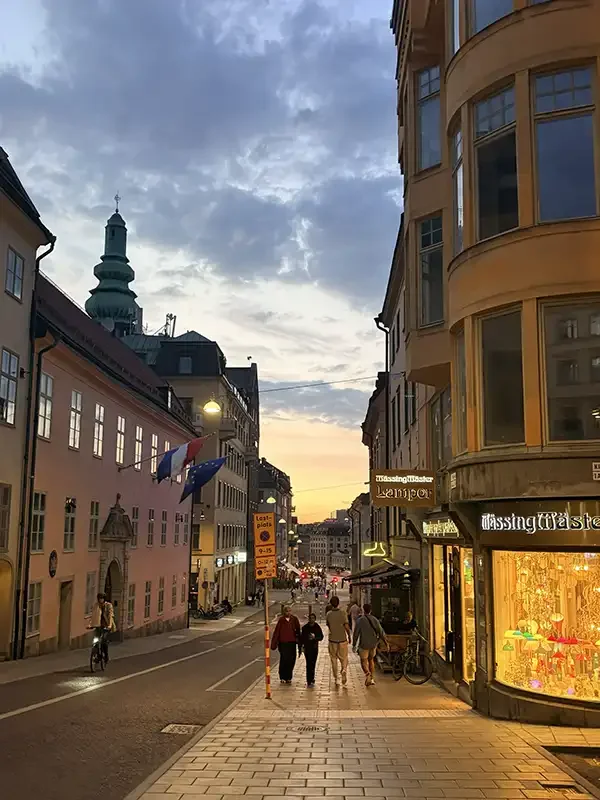
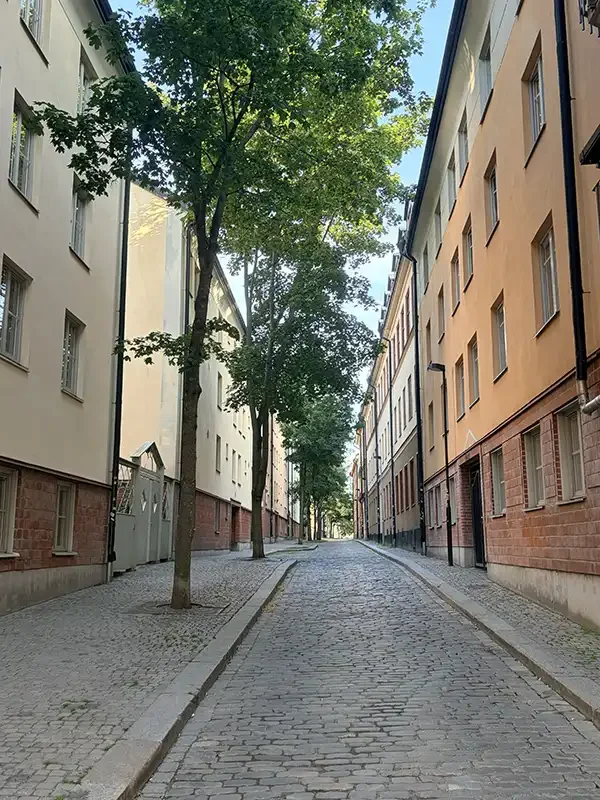
During our 3 days in Stockholm, we stayed in the Södermalm neighbourhood, one of the city’s trendiest areas. With fun bars, an overwhelming abundance of boutiques, a thriving food scene, the Royal Palace and Gamla Stan within walking distance, Södermalm is the perfect base.
While aboard the ferry to Vaxholm, an elderly Swedish woman asked me, “Where are you from?” She was taken aback by my response, claiming that it is uncommon to see visitors from North America. After three days in Stockholm, where the city’s ease makes 20,000 steps feel easy, travel here absolutely deserves to be far more common. Stockholm is a vibrant city of colour, learning, and delicious food that quietly awaits tourists to discover it and take a fika or two over some cardamom buns.

Photos: Header image via iStock. All other images Analise Saavedra