A Foodie’s 3-Day Copenhagen Itinerary: What to Eat & See
Planning a 3-day Copenhagen itinerary? Follow this foodie guide to the best things to eat and see, from Danish pastries and street food to Nyhavn, Rosenborg Castle, Christiania and Reffen Food Hall.
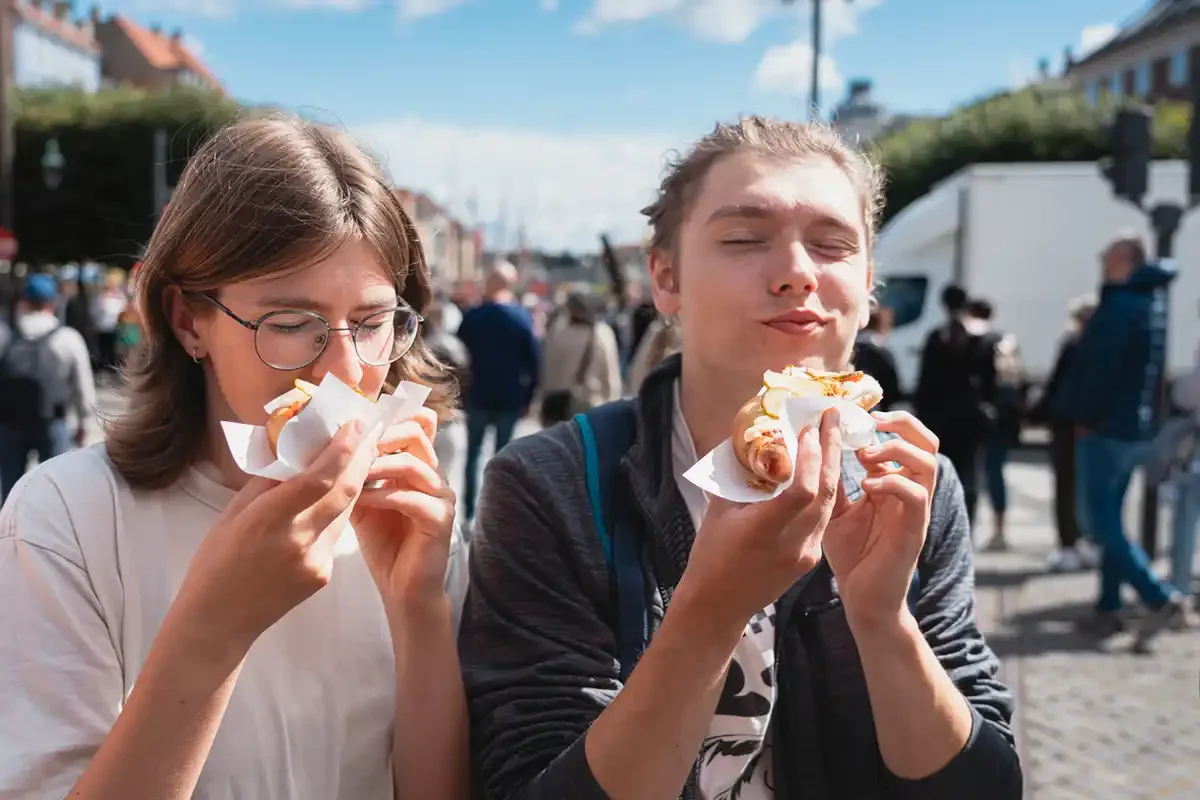
Imagine picturesque streets vibrant with history, creativity, and pastries around every corner. Copenhagen is a city where none of those details need to be imagined; they all exist together, each influencing the other. The thread of creativity woven throughout the Danish capital is easy to follow, with the best food spots often feeling like destinations while sitting just steps from the city’s most iconic sights. After three days in Copenhagen, I discovered an ideal itinerary for experiencing the city while getting a proper taste of its food scene.
Table of Contents:
At A Glance: What To Do In Copenhagen
Here’s how I’d spend three days in Copenhagen to combine the city’s best food with its historic neighbourhoods, castles and iconic sights:
Day 2: Juno Bakery → King's Garden & Rosenborg Castle → Kastellet
Day 3: Christiania → Reffen → Mikkeller
Day 1: Pastries and Shopping
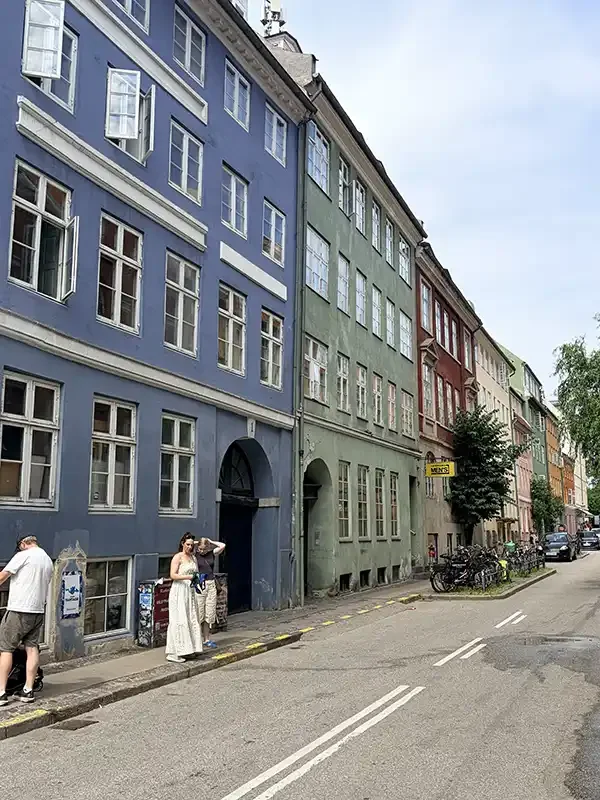
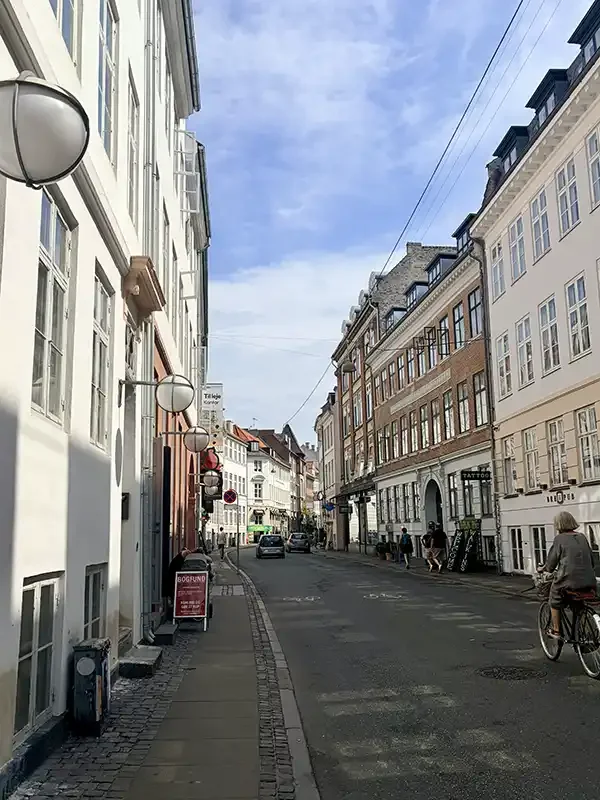
The Latin Quarter
I began my walk through Copenhagen with adrenaline pumping through my veins. Not just because of the thrill of experiencing a new city, but also because of the vibrancy and creativity found throughout the Latin Quarter. Vibrantly coloured buildings lined each street with cafes, boutiques, vintage stores, and of course, a surplus of bikes. It’s the type of neighbourhood that sucks you in and defines Copenhagen’s unmistakable charm.
St Peders Bageri: A Must-Try Copenhagen Bakery
This is one of those bakeries I passed on the street and immediately knew it would be a bad decision to ignore. A light, flaky pastry with a layer of cream immediately called to me. This pastry is called spandauer, a classic Danish pastry and one of my favourite bites of the entire trip.
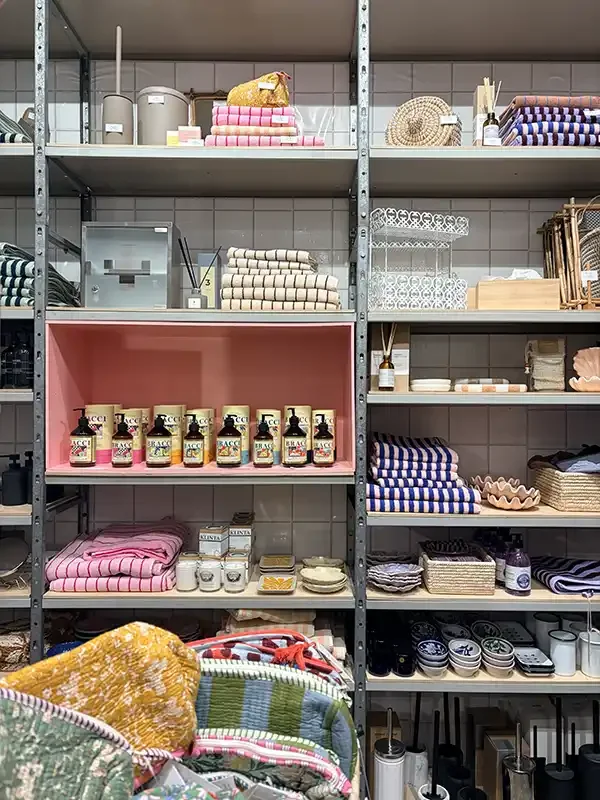
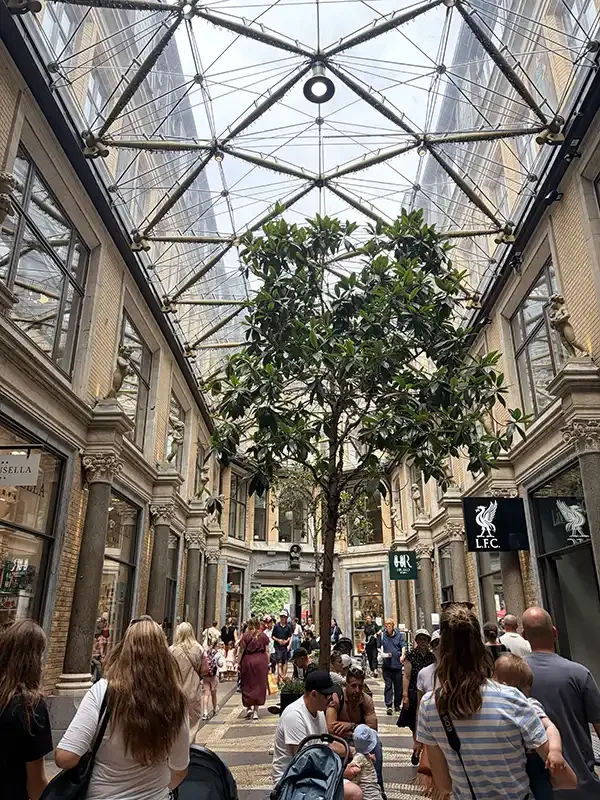
Helligånds
It’s not often that I am compelled by shopping, but this district did it for me with countless boutiques, cooking stores, and souvenir shops with a unique Danish flair. Each shop feels just as creative as the last, making gift and souvenir shopping feel easy.
Den Økologiske Pølsemand: Copenhagen’s Famous Hot Dog Stand
According to local legend, in 1966 a drunk officer accidentally forgot a briefcase with top-secret NATO plans at a sausage stand. However, the sausage owner swiftly delivered the briefcase to the Danish Intelligence Service, without the public ever hearing a word. That’s why you can always trust a pølsemand or “sausage man”.
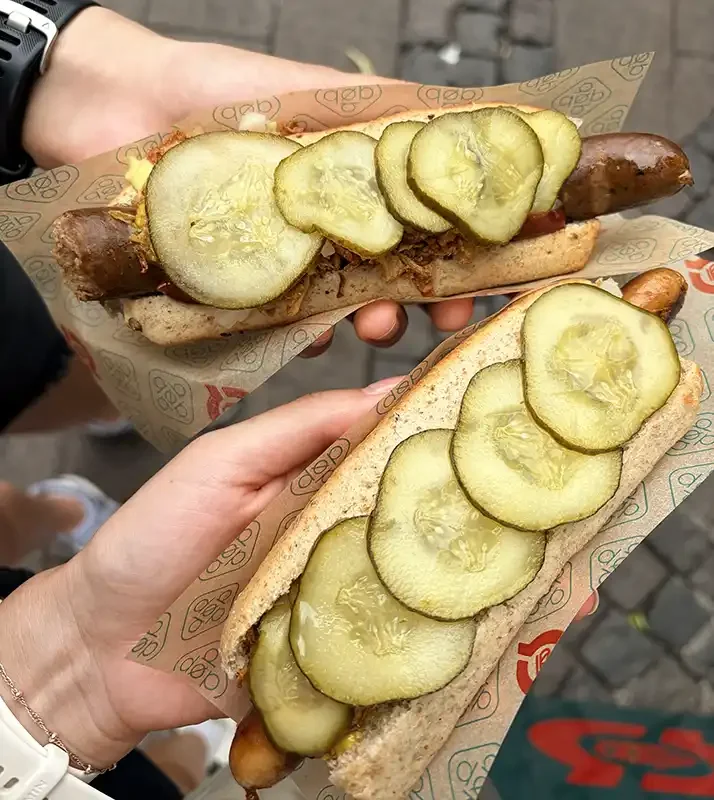
Organic, award‑winning, and crafted with care, DØP’s sausages prove fast food can be truly good food.
Whether or not the legend is true, the heart of the story comes to life at Den Økologiske Pølsemand, one of Copenhagen’s most famous sausage stands. The stand has a variety of options and prepares the sausage right in front of you. For pickle lovers, there is no need to ask for extra, as the servers add a generous layer of pickles across the top of the hot dog. Check out the Church of the Holy Spirit, located just behind the food stand. Built in 1296, this church is one of the oldest in Copenhagen.
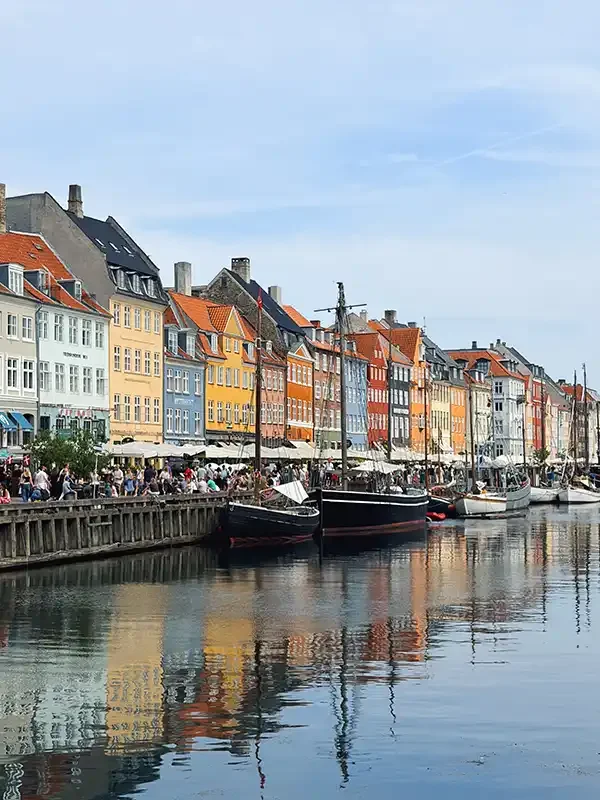
Nyhavn and the Garden of the Royal Library
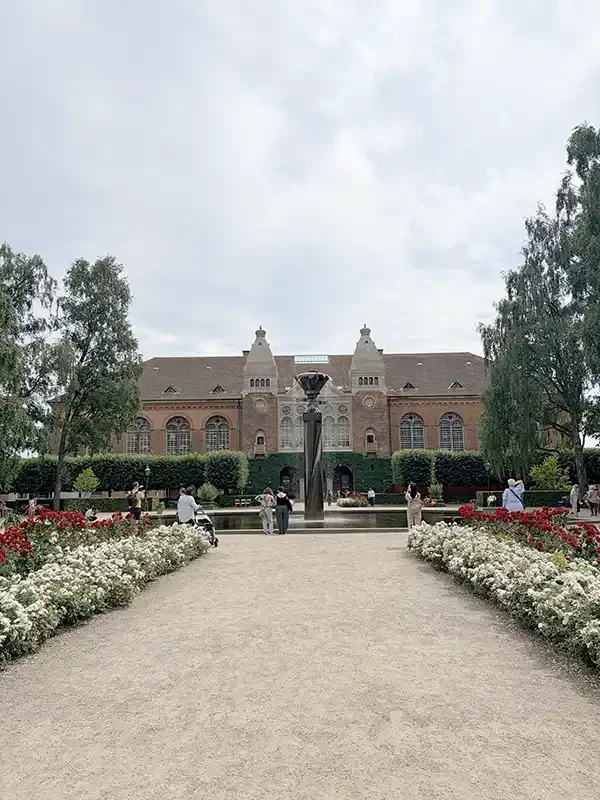
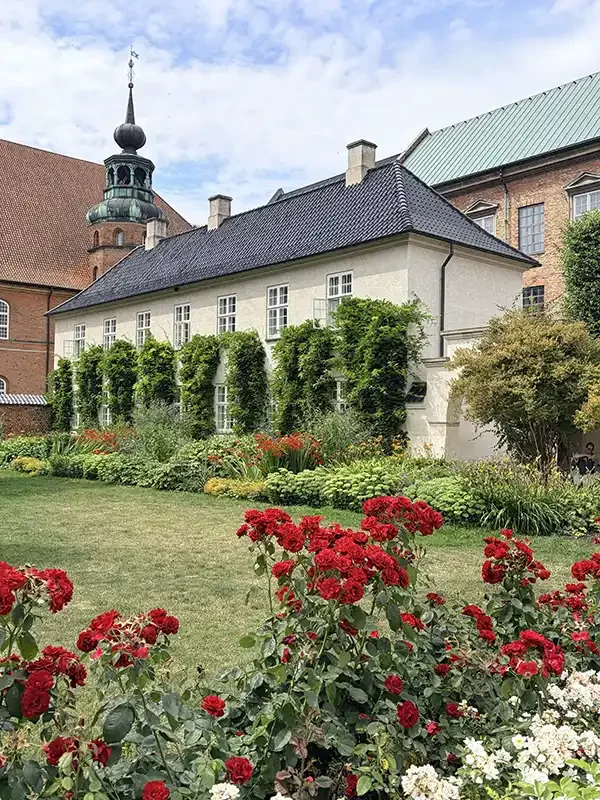
I felt ready to emerge from my impending food coma and embarked on a fifteen-minute walk towards the Garden of the Royal Library. The garden is truly breathtaking, with a variety of roses and greenery surrounding the pathways. The architecture is simple, yet elegant, and it truly feels like an oasis in the middle of the city.
15 minutes from the Royal Library is the most iconic street in Copenhagen: Nyhavn. Despite the crowds of tourists, the vibrant buildings reflecting in the water are truly worth a stop.
Andersen Bakery: Japanese-Inspired Danish Pastries
This was the only bakery we went back to twice, and for good reason. Andersen Bakery is the definition of Danish creativity and inspiration mixed with Japanese flavours. A local recommended it to us, and it is truly fusion at its best. From onigiri croissants and sakura blossom cakes to Danish classics like the cardamom bun, pure perfection filled every bite.
Torvehallerne
By the time evening came around, we were already looking for an appetizer. For simple yet upscale, high-quality delicacies, Torvehallerne is the spot. The market has fresh produce from farmers outside the city and is lined with breweries, cheese shops, and dessert shops, with picnic tables to enjoy your food while you rest.
Day 2: Bakeries, Castles & Copenhagen History

Juno The Bakery: Copenhagen’s Iconic Pastries
Juno The Bakery is one of the most famous bakeries in Copenhagen, and I wondered if it could actually be worth the hype. However, I didn’t wonder for long, as the line that extended out the door moved quickly. I became mesmerized by the staff preparing the pastries in a nearby window, and I found myself disappointed at how fast the line moved. Although there were only a few pastries to choose from, I was grateful that it spared me the agony of choosing between too many delicious options. From the moment I finished my last bite, I was already craving more.
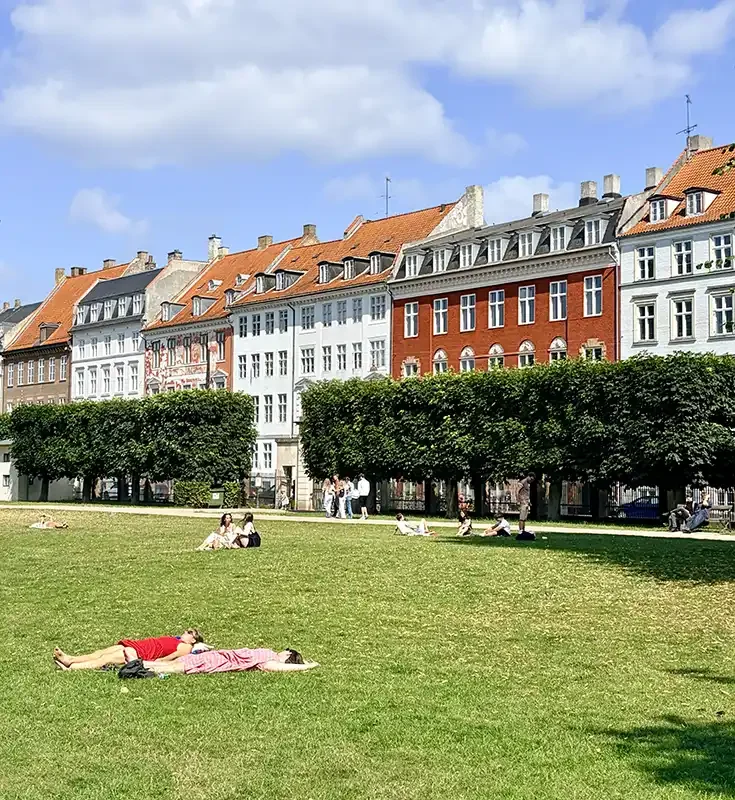
Rosenborg Garden is Denmark’s oldest royal garden, offering early‑1600s Renaissance design, tree‑lined paths, fountains, and sprawling lawns.
King’s Garden & Rosenborg Castle
A 10-minute walk away is Rosenborg Castle. We began by enjoying the King’s Garden. In the summer, visitors enjoy the grounds framed by brightly coloured buildings and trees. It’s the type of place that made me immediately want to lie down and appreciate the relaxing blend of urban life and nature. Further down the path is the castle, which Christian IV requested in 1605 to fulfil his dream of a garden and summerhouse. While walking through the array of gardens, I could feel the inspiration behind Christian IV’s vision for the property woven throughout the grounds.
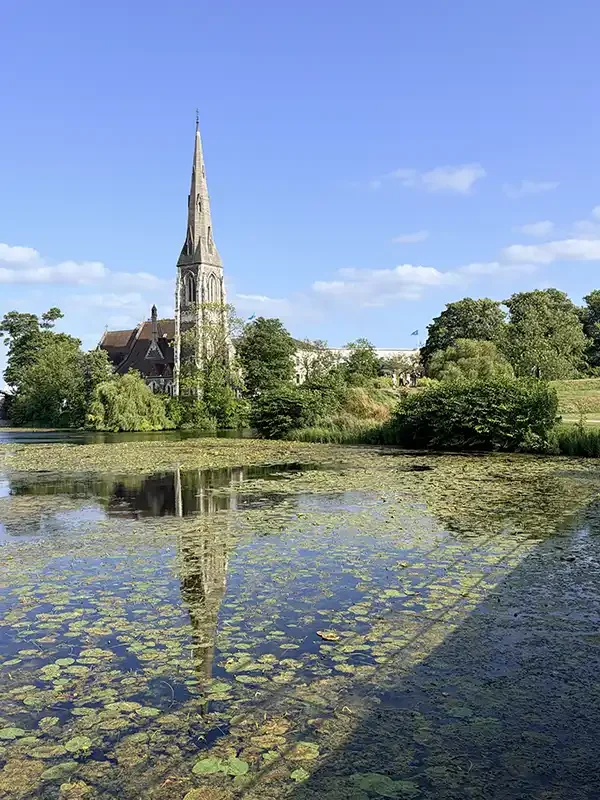
Kastellet
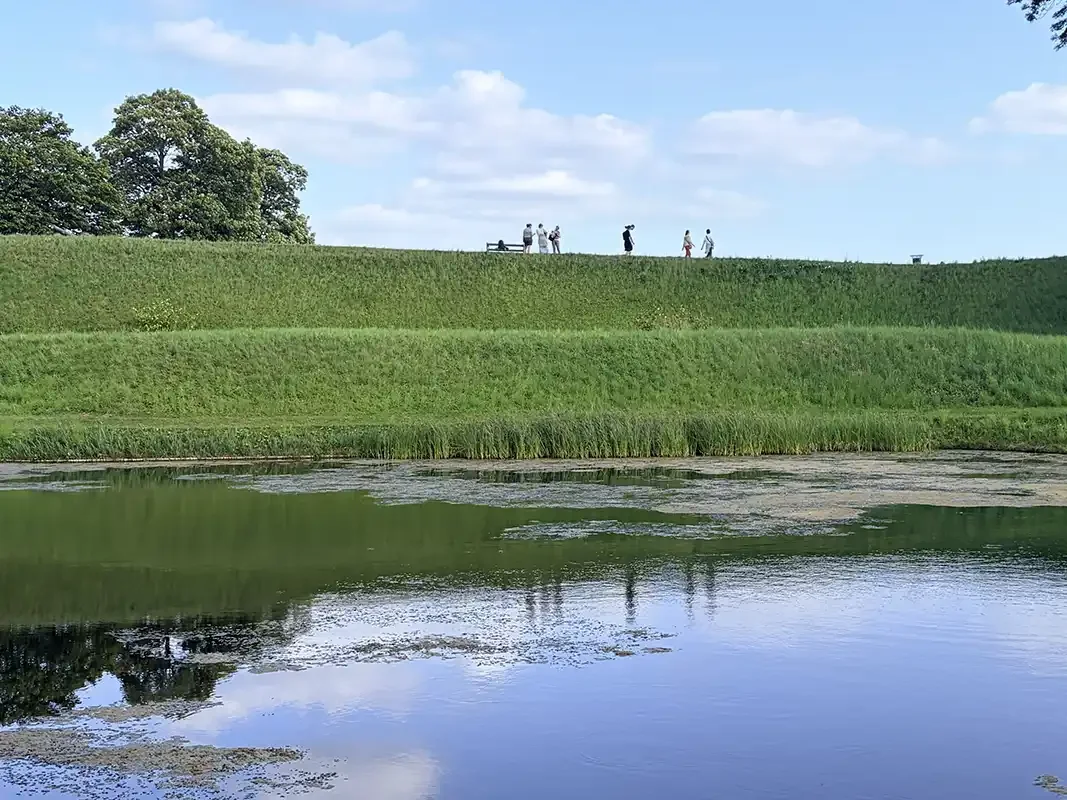
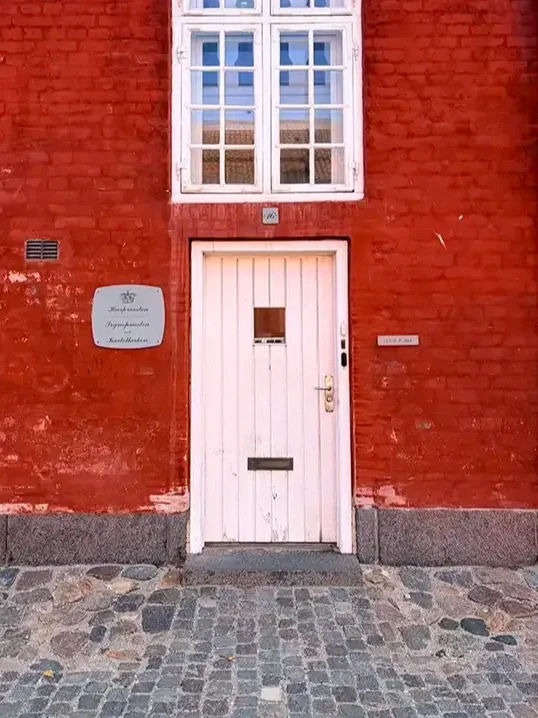
Kastellet feels as if it has been preserved by the hands of time itself. An old church tower welcomes visitors to the property, its reflection visible in the pond below. Like the rest of Copenhagen, the old military barracks feel pristine, clean and bright. Although it was built in 1606, the grounds serve as a military centre today, as well as a relaxing place for walkers and joggers to appreciate the windmills and star-shaped grounds.
Day 3: Christiania, Street Food & Craft Beer
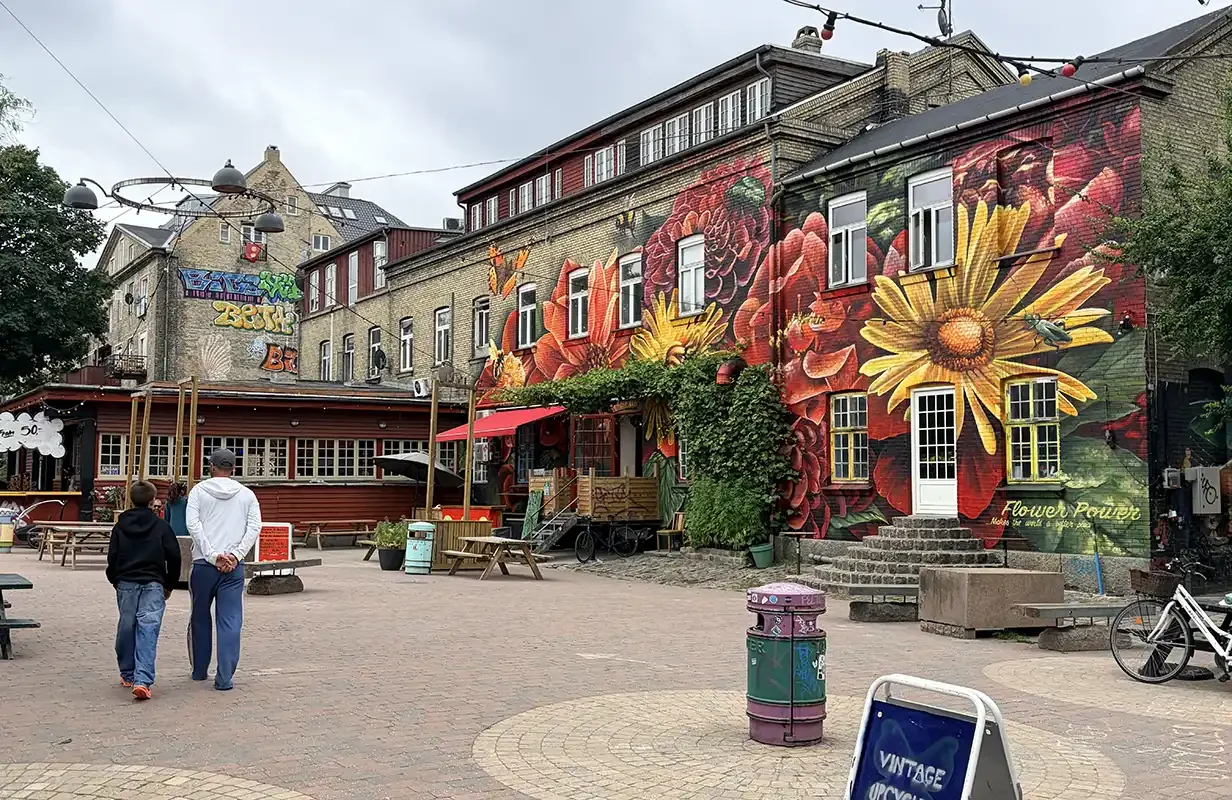
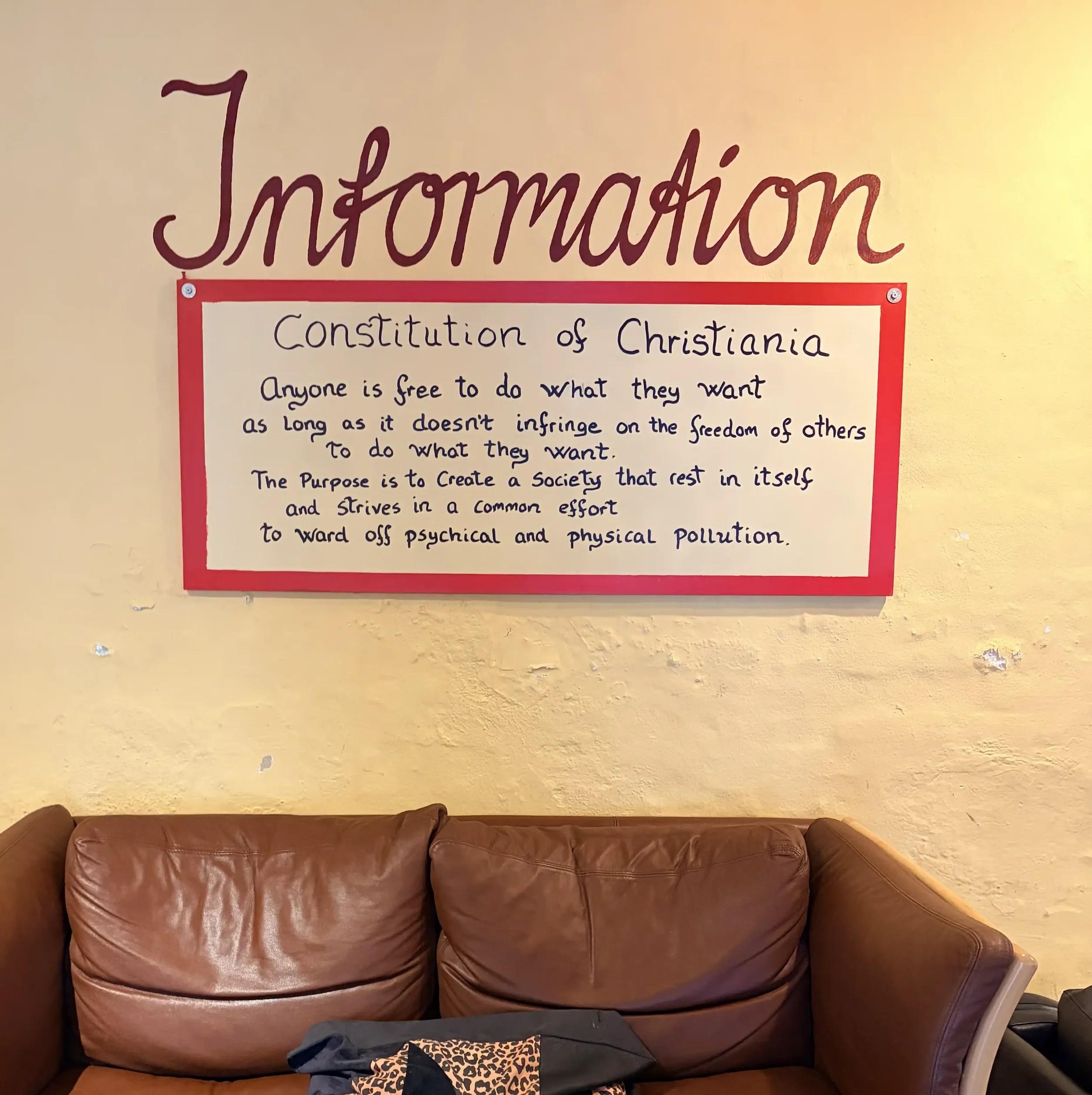
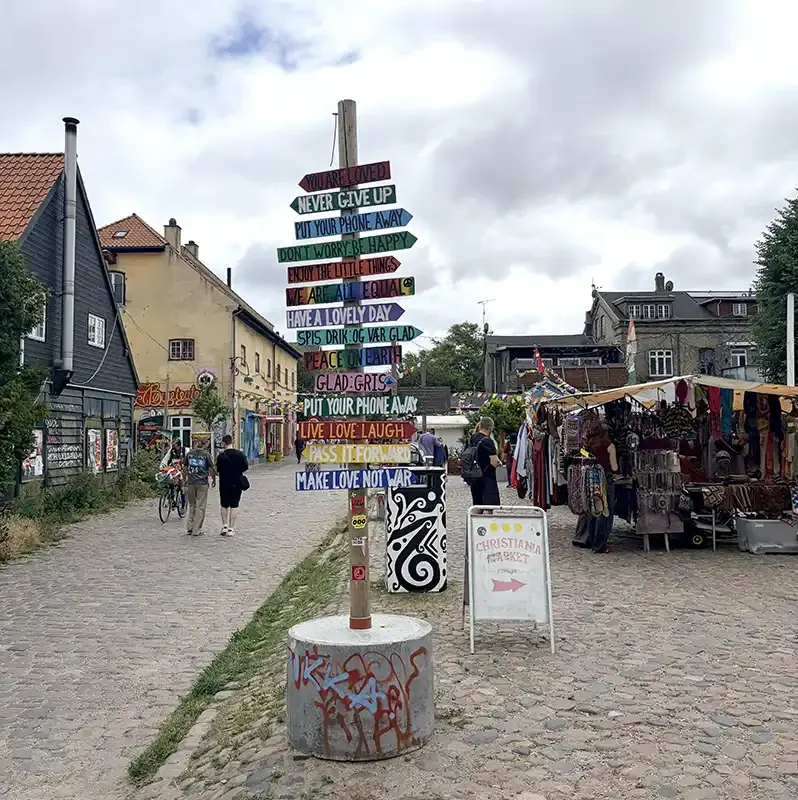
Freetown Christiania: Copenhagen’s Alternative Neighbourhood
In 1971, a group of hippies broke into an abandoned military barracks and decided to establish an alternative society. They named it Christiania, and it still stands today. It’s brightly coloured like the rest of Copenhagen’s buildings, but with a rebellious artistic flair defined by graffiti and murals that contrast with the pristine, easy colours of the rest of the city. We wandered past brightly painted brick walls, bookshops, art shops and food stalls, which truly made me feel as if I was in the middle of a very different city.

With 35 food stalls and 10 bars, Reffen dishes up global flavours in one vibrant waterfront market.
Reffen Food Hall: Copenhagen Street Food by the Waterfront
Forty minutes away from Christiania is Reffen Food Hall. That may sound too long for a walk, but in this case it was necessary. This Copenhagen food hall is overwhelming in the best way possible, with endless food stalls paying homage to cuisines from around the world. Just when I thought I’d decided on one cuisine, another pulled me in. In the end, I chose Afghan food, which did not disappoint. From there, we brought our food next door to one of Copenhagen’s most iconic breweries called Mikkeller. Its beers are yet another example of Copenhagen’s creativity and innovation.
Copenhagen is just as much a food city as it is one of history, beauty, creativity and colour. Why not experience all of them at once?
Looking for more Scandinavia guides?

Header image: iStock. All other images by Analise Saavedra