Discovering San Antonio: Texas Flavour, River Walk Nights, and the Spirit of the Alamo
San Antonio is not a city that hides its history. From the limestone walls of the Alamo to the Spanish colonial missions that line the river, it wears it openly. Yet what makes San Antonio remarkable is how the city reinvents itself without losing what makes it unmistakably Texan. You feel it in the food, the music, the warmth of the people, and in the way the river seems to carry memory and momentum.
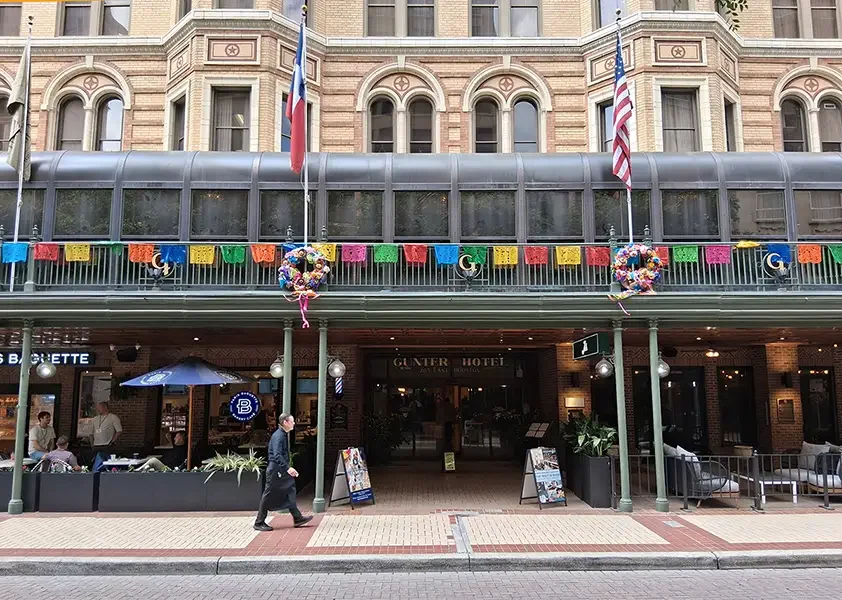
My visit began at the Gunter Hotel, a downtown landmark that has been part of San Antonio’s story since 1909. The Gunter has always had a certain presence, the kind of hotel that feels like it has seen more than it will ever admit. Its recent $57 million renovation, completed in 2025, has given it new confidence.
The lobby still carries its early twentieth-century charm with polished wood, marble floors, and the quiet hum of a building that knows its worth. The rooms are modern and comfortable, but the hotel has kept the touches that make it unmistakably itself. Every room has a record player with a curated selection of vinyl, a small nod to the Gunter’s deep connection to music history.


That history is not a marketing line. It is real. In 1936, blues legend Robert Johnson recorded in one of the hotel’s rooms, creating tracks that would later shape American music. The staff speak about that moment with a kind of reverence, as though the walls still remember the sound. They point visitors toward the photographs, the stories, and the quiet corners where the past still feels close.
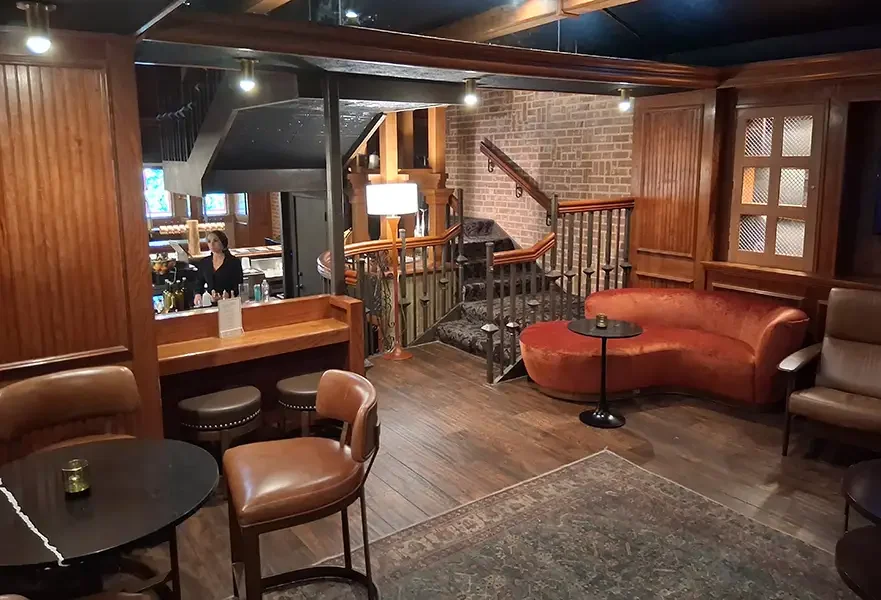
Tucked behind an unmarked gallery wall, Bar 414 channels the secrecy of a Prohibition hideaway and the legacy of the blues. The speakeasy takes its name from Room 414, where Johnson recorded his haunting 1936 sessions, music that would go on to shape American blues and rock. Low light, vintage décor, and a carefully curated cocktail list give the bar an intimate, time capsule feel, turning it into a quiet tribute to the hotel’s musical past rather than simply another themed hotel lounge. It is intimate, atmospheric, and the kind of place where time slows down. The bartenders know their craft, the music stays low, and the room feels like a reward for anyone curious enough to find it.


The staff carry all of this with an easy pride. They know the hotel’s stories, its quirks, and its place in San Antonio’s cultural memory. Staying at the Gunter feels less like checking into a hotel and more like stepping into the city’s living history.
The Texas Cavaliers Fiesta River Parade
The Texas Cavaliers Fiesta River Parade is a celebration that feels lifted from a storybook.
The idea of a parade floating through the heart of a city should seem improbable, yet in San Antonio, it has become one of the most beloved nights of Fiesta. The event began in the early 1940s when members of the Texas Cavaliers returned from Mexico City inspired by the floating gardens and the idea of a celebration that moved along a river rather than a street. At the same time, San Antonio had just completed the first major restoration of its River Walk, and the Cavaliers saw an opportunity to create something that would belong entirely to the city.
What started as a small procession of decorated barges has grown into a major civic ritual.
More than 250,000 people line the River Walk as illuminated floats glide past restaurants, bridges, and stone pathways. Each float is built around an annual theme, and the level of craftsmanship is remarkable. Volunteers spend months designing and assembling the pieces, while the Cavaliers coordinate the production with a precision that borders on military planning. Families arrive early to claim their seats, children wave glow sticks, and the river becomes a moving stage framed by music and colour.

Fiesta medals are San Antonio’s version of pins and patches — traded, collected, and proudly worn on sashes that celebrate the city’s spirit.

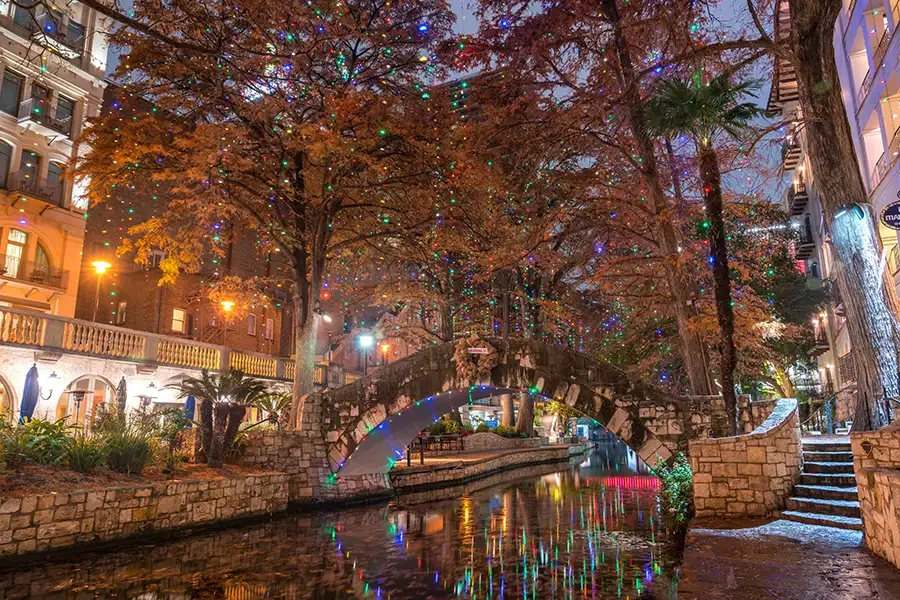
Photo: River Walk at night. Courtesy Visit San AntonioThe 2026 parade added an unexpected chapter to this long tradition. Severe weather swept into the city and forced organizers to cancel the river procession for the first time in its history. What could have been a disappointing moment instead revealed the character of both the Cavaliers and the people of San Antonio. Rather than surrender the night, organizers shifted the celebration indoors and created an impromptu gathering that carried much of the same warmth and energy as the parade itself.
Nothing about it felt forced. San Antonio simply adjusted and kept the spirit of Fiesta moving. The rest of the festival continued with the same enthusiasm as ever, proof that a change in weather does little to dim the city’s appetite for celebration.
The River Parade is not only a spectacle. It is also one of the city’s most successful charitable efforts. Proceeds support the Texas Cavaliers Charitable Foundation, which funds programs for children across San Antonio. The Cavaliers also reserve hundreds of seats for young people from local charities and for military families, a gesture that reflects the city’s longstanding identity as Military City USA. The result is an event that feels joyful and generous at the same time, a celebration that brings the community together while quietly doing real good.
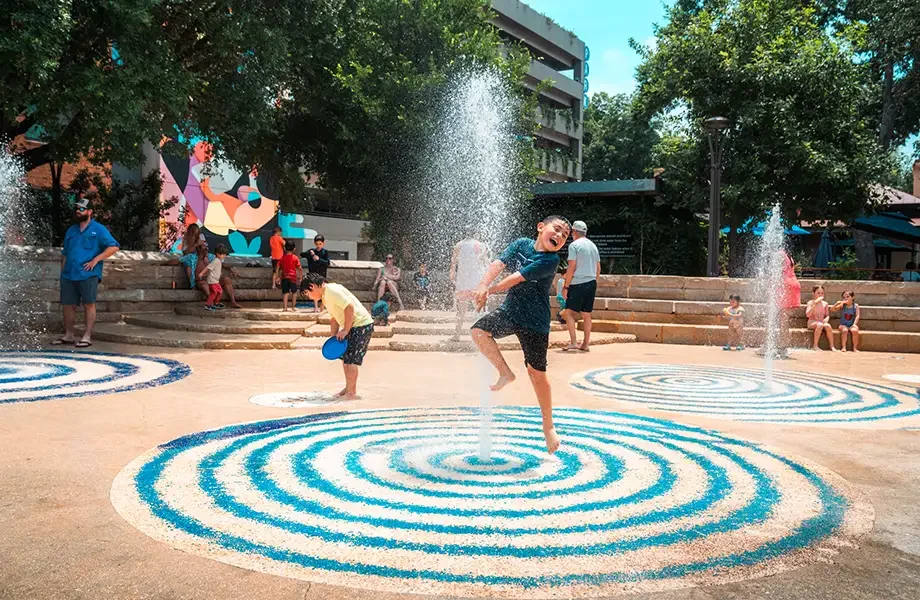
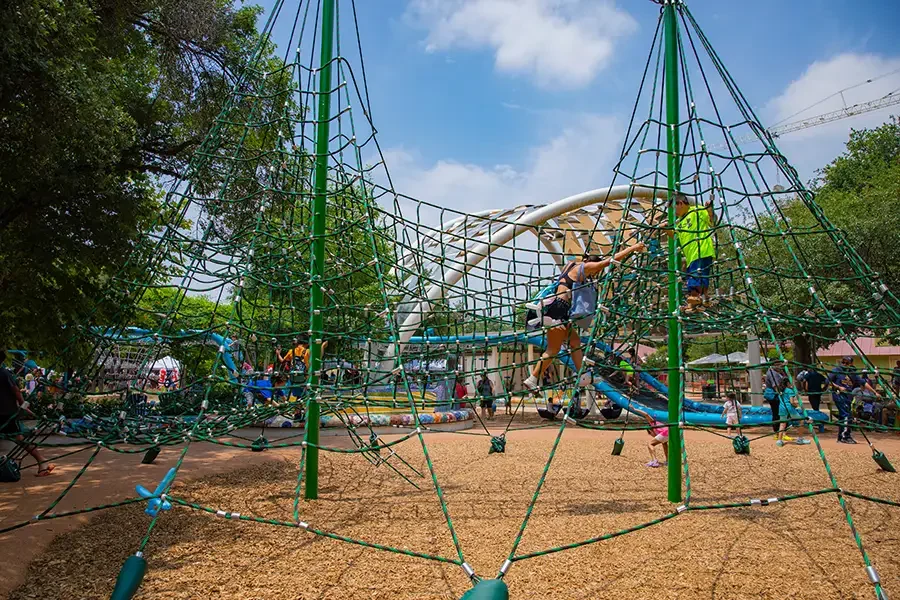
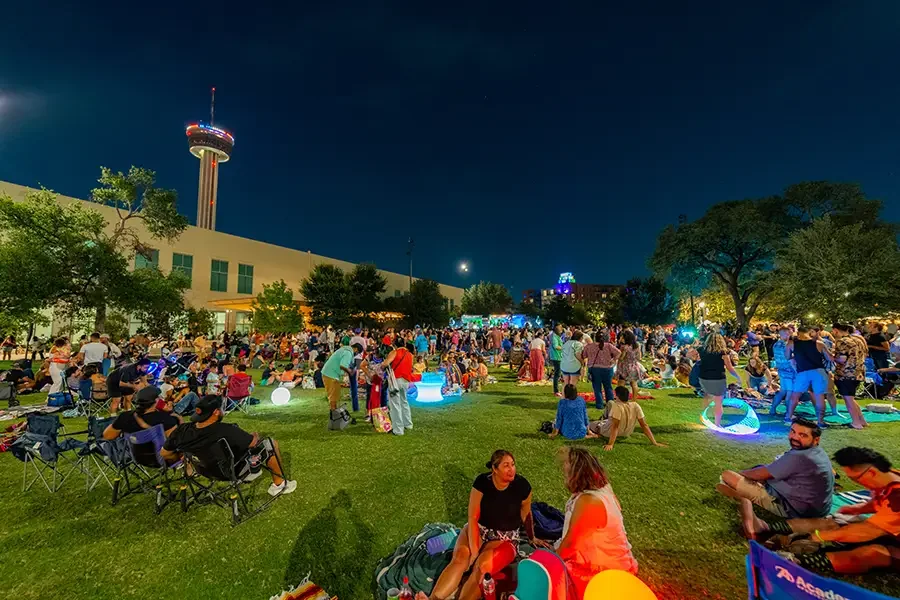
Photos: Courtesy Visit San AntonioOnce the site of the 1968 World’s Fair, San Antonio is transforming Hemisfair Park into one of the world’s premier downtown outdoor public spaces.
The next morning began at Box Street Social in Hemisfair Park. The restaurant is bright and lively, the kind of place where brunch is taken seriously. Plates arrive colourful and generous, and the coffee is strong enough to make you believe you can walk the entire city in one morning. Hemisfair Park itself is a pleasant surprise. Once a fairground, it has become a welcoming public space filled with gardens, playgrounds, and families enjoying the early sun. It is a reminder that San Antonio’s renaissance is not limited to its famous river.
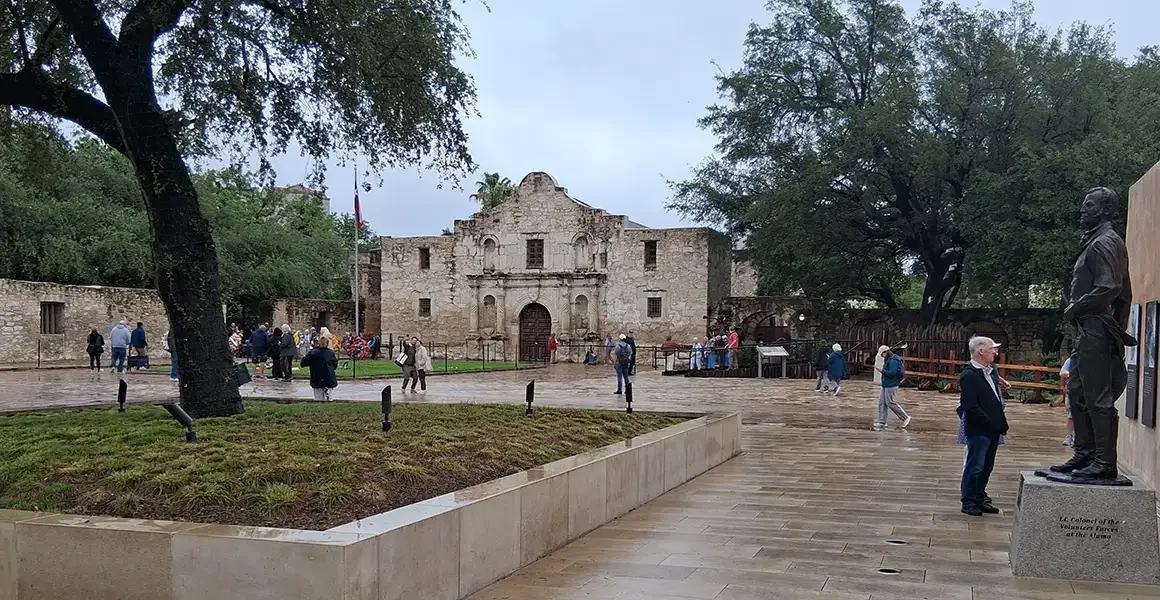
The Alamo
From there, I walked to the Alamo. No matter how many times you have seen it in photographs, standing before it feels different. The building is smaller than expected, almost modest in scale, yet the weight of history settles over the grounds with unmistakable force. Originally Misión San Antonio de Valero, the Alamo is part of Texas’s first and only UNESCO World Heritage Site, a designation that places San Antonio among the world’s great cultural destinations. The plaza is quiet and reflective, a place where the past feels close enough to touch.
What surprised me most during my visit was discovering just how far the Alamo’s story travels and how deeply it resonates with people far beyond Texas. You never really know who carries an attachment to this place, or from what corner of the world that connection comes. Which is why I was genuinely taken aback to learn that one of its most devoted admirers was Phil Collins, yes, that Phil Collins, quietly amassing an extraordinary collection of Alamo artifacts while living the life of a global rock and pop icon.

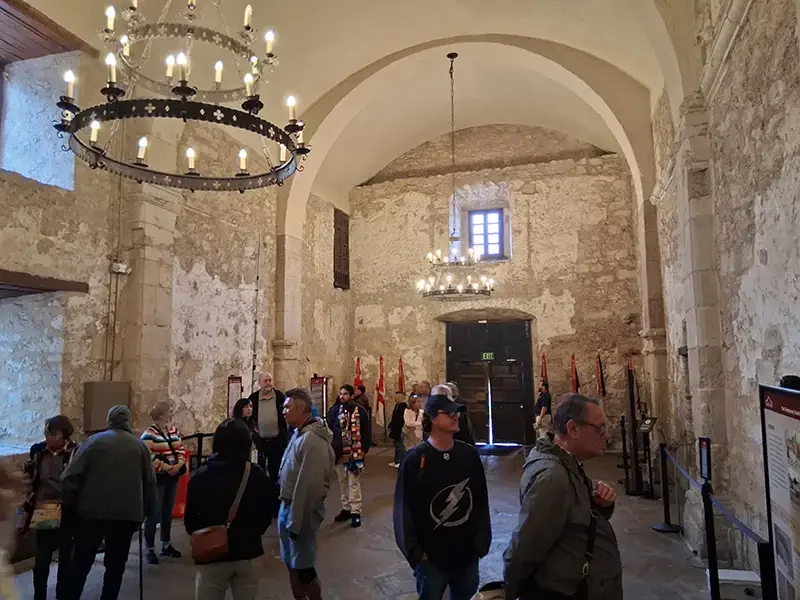
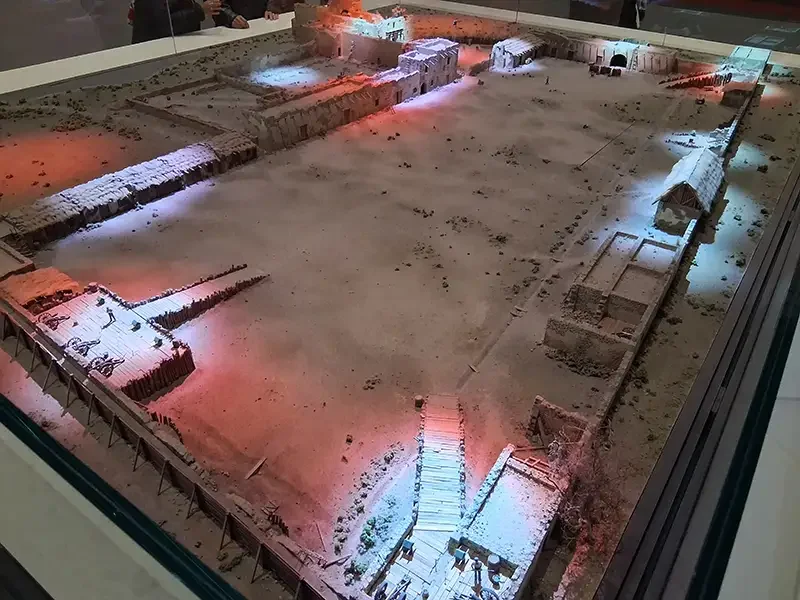
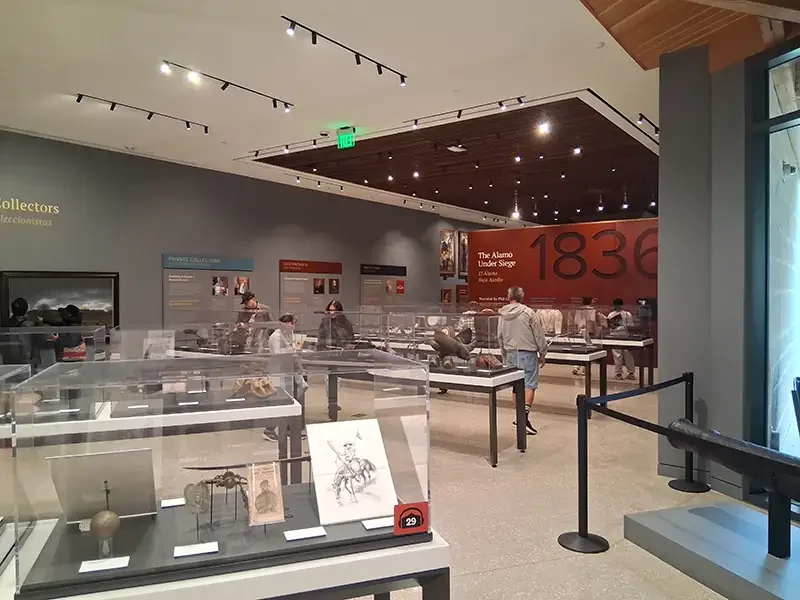
Phil Collins holds an unlikely yet deeply respected place in that history. Long before he became one of the world’s biggest rock stars, he was a boy in London captivated by the story of the 1836 battle, collecting relics with the devotion of someone preserving a memory he never lived. Over decades, that fascination grew into the largest private collection of Alamo artifacts in existence, a trove he ultimately donated to the State of Texas in 2014 so the pieces could remain in public hands and protected on the very ground that inspired him. Texans admire Collins not simply because he gave generously, but because he understood the Alamo as they do, as a story carried in the bones of a place, something fragile and worth safeguarding. In Collins, they found an unlikely guardian, a musician who treated their heritage not as myth but as responsibility, and whose generosity has helped restore and protect one of the most sacred sites in the state’s history.
The Alamo redevelopment will restore the original mission footprint and debut the new Alamo Museum, which will finally display the Phil Collins Collection together for the first time.
San Antonio is now undertaking the most ambitious transformation of the Alamo in its modern era, a multihundred-million-dollar redevelopment designed to protect the site, expand its historical narrative, and elevate it as a world-class cultural landmark.
At its centre is the new Alamo Museum, a state-of-the-art facility that will house the Phil Collins Collection along with thousands of artifacts never before displayed together. The museum will give visitors a deeper and more accurate understanding of the 1836 battle, as well as the centuries of Indigenous, Spanish, Mexican, and Texan history that shaped it.
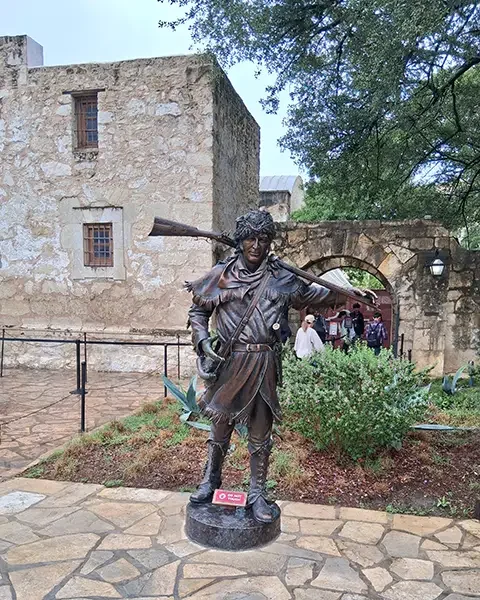
A bronze statue of Davy Crockett stands to the right of the Alamo entrance, a quiet tribute to one of the site’s most storied defenders.
The broader redevelopment includes a reimagined plaza, expanded pedestrian zones, and new interpretive spaces that restore the original footprint of the mission compound, allowing residents and visitors to experience the site with a clarity and scale that has been missing for generations.
The economic impact will also be significant. The Alamo already draws millions of visitors each year, and the redevelopment is expected to substantially increase that number, strengthening San Antonio’s tourism sector and generating new revenue for local businesses, hotels, and cultural institutions. More importantly, the project positions the Alamo not simply as a symbol, but as a fully realized historical landscape, one that preserves the past with greater integrity while giving future generations a richer and more nuanced understanding of the story that defines Texas.
San Antonio Museum of Art
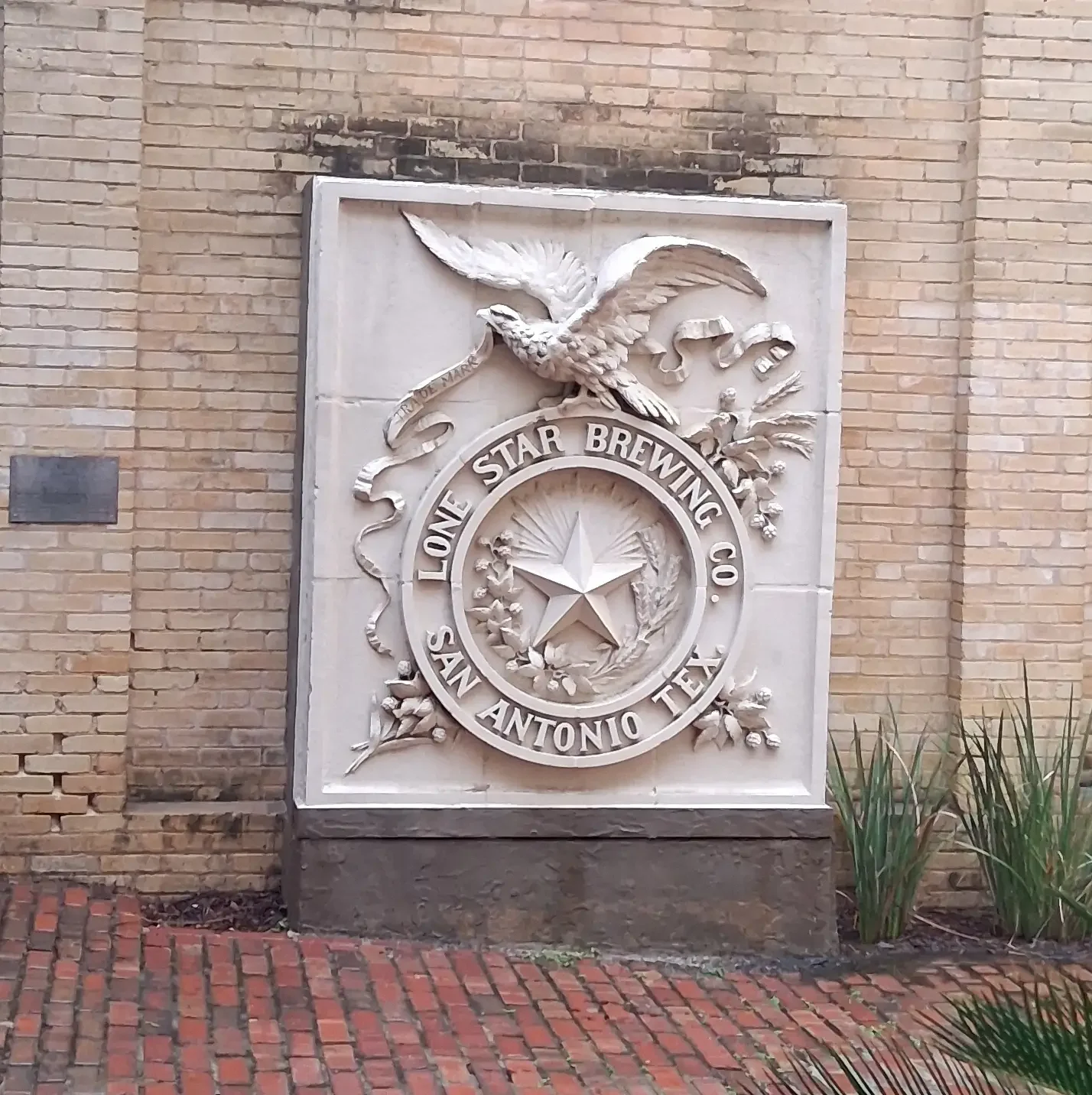

Fun Fact: The San Antonio Museum of Art is one of the only major U.S. museums housed in a 19th‑century brewery.
We stopped for lunch at Tre Trattoria, the Italian kitchen tucked inside the San Antonio Museum of Art. The place has an easy rhythm—sunlight on the tables, the river drifting past the patio, and a menu built around simple dishes done well.
After lunch, we headed into the museum, housed in the old Lone Star Brewery. Its collection unfolds through high‑ceilinged industrial rooms that give the art space to breathe. The galleries move from ancient Mediterranean pieces to contemporary Latin American work, with an impressive Asian wing that includes Chinese ceramics, bronzes, and scrolls displayed with a quiet, almost meditative clarity.
By the time we stepped back outside, the afternoon had settled into a slower gear. It was unhurried, unfussy, and exactly the kind of pause a museum day needs.
The afternoon carried us into the Pearl District, a neighbourhood that has turned a nineteenth‑century brewery complex into one of San Antonio’s most engaging public spaces. Restaurants, small shops, weekend markets, and the Culinary Institute of America now fill the old industrial footprint.
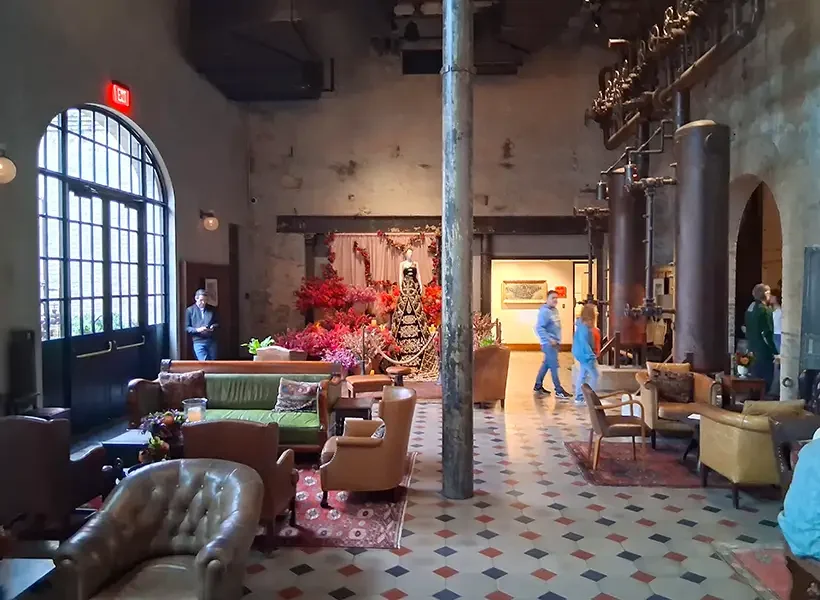
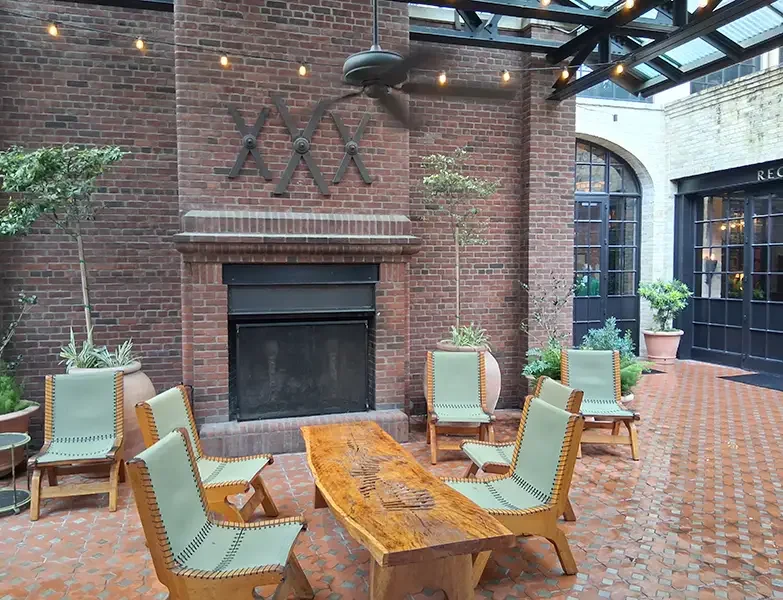
One building carries a story the city never quite stopped telling. Hotel Emma takes its name from Emma Koehler, who stepped in to run the Pearl Brewery after her husband’s sensational 1914 death — a case involving three women named Emma, a shooting, and a courtroom drama that still sits somewhere between legend and local folklore.
While the scandal gets the attention, it was Emma’s steady hand that kept the brewery alive through Prohibition, and the hotel feels like a quiet nod to her resolve. We dropped in at Sternewirth, the hotel’s bar, where the vaulted ceilings and low amber light give the room a calm, lived‑in confidence. It’s the sort of place where you settle in without thinking about the time at all.
Just around the corner, Pullman Market offered a different kind of experience. At Mezcaleria, I joined a short tasting session exploring the smoky, complex world of mezcal. The staff spoke about the spirit with the kind of passion usually reserved for wine, and the tasting felt like a small journey through Mexican tradition rather than a tourist demonstration.
Dinner that night was at Mezquite, a modern Mexican restaurant in the Pearl known for its wood-fired cooking. The flavours were bold and bright, and the open flame grilling gave the dishes a depth that stayed with me long after the meal ended.
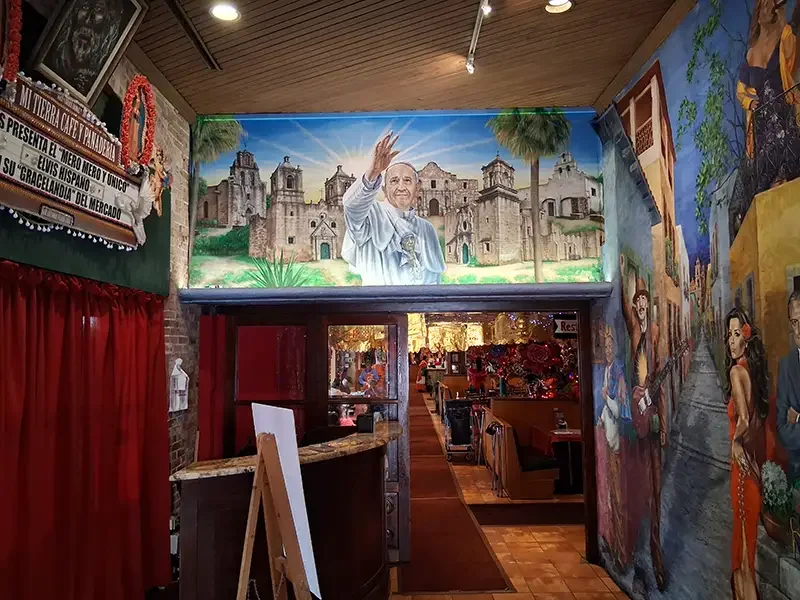
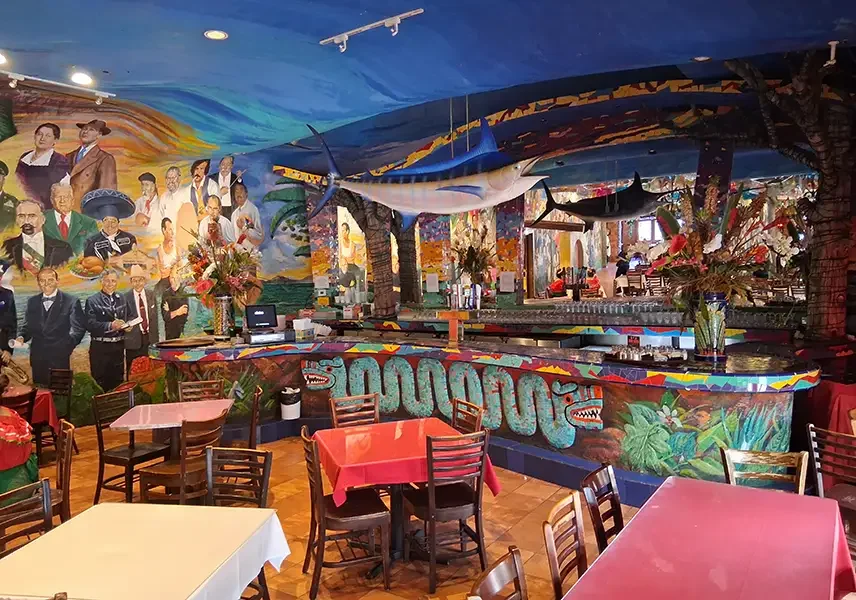
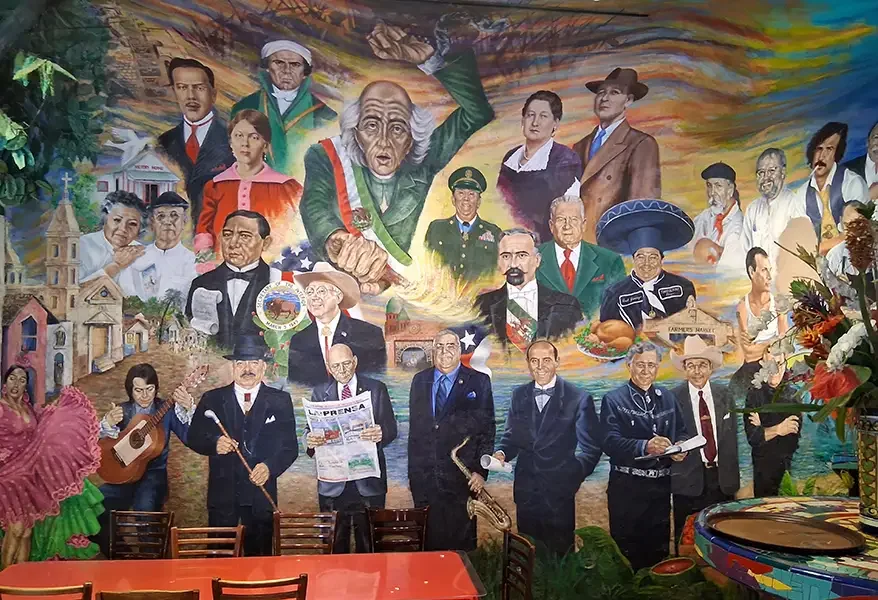
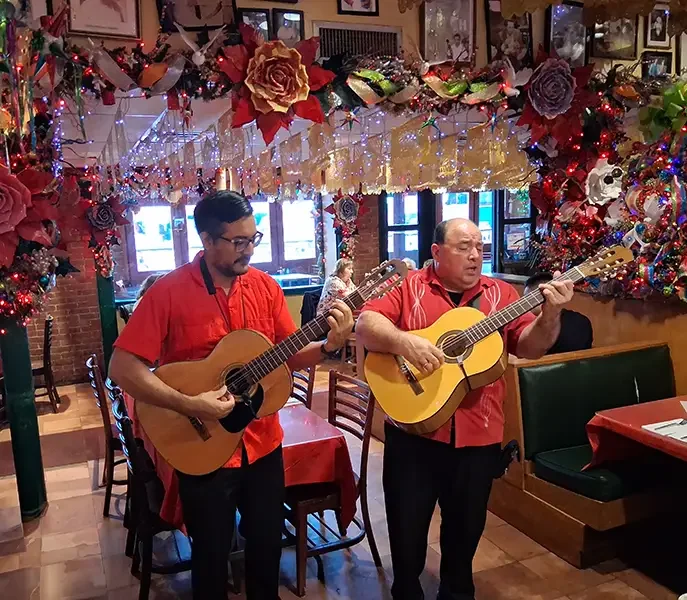
The next morning began at Mi Tierra Café y Panaderia in Historic Market Square. Mi Tierra is one of those places that feels like a celebration even at breakfast. The walls are covered in murals, the lights shimmer, and the bakery cases are filled with pan dulce that looks almost too beautiful to eat. The restaurant has been family-owned since 1941, and it shows in the warmth of the service and the pride in the food.
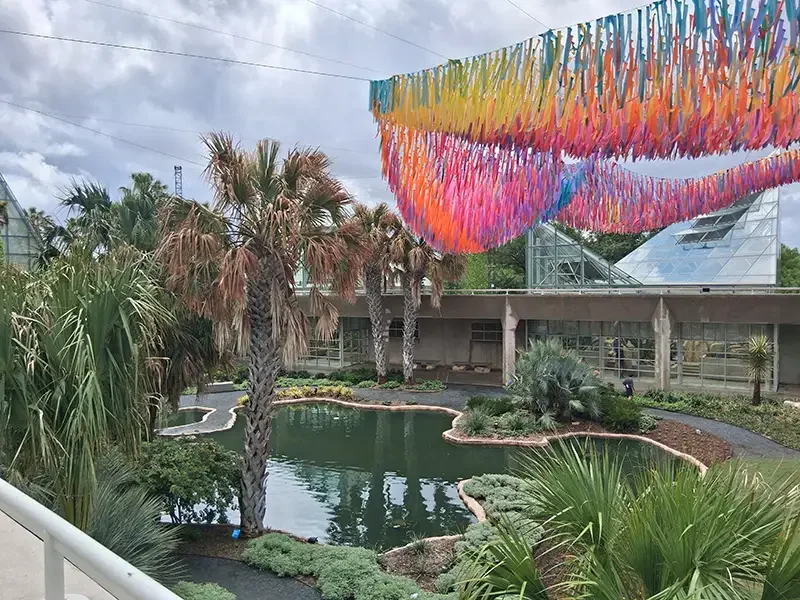
The Skynet sculpture, Flora Borealis, by artist Shearn, is inspired by the colours of the flowers and plants at the San Antonio Botanical Garden, and it flutters in the wind to mimic nature’s flowing movements.
From there, I headed to the San Antonio Botanical Garden. Spread across 38 acres, the garden is a peaceful escape filled with native Texas plants, global collections, and winding trails. It is beautifully curated and offers a quiet moment to appreciate the region’s natural diversity.
Lunch brought me back to Pearl and to La Gloria, the creation of Chef Johnny Hernandez. His food is inspired by Mexican street markets, and the flavours are bold, joyful, and unmistakably local. Hernandez himself is a major figure in San Antonio’s culinary scene, and his influence can be felt throughout the city. As locals say, he is puro San Antonio.
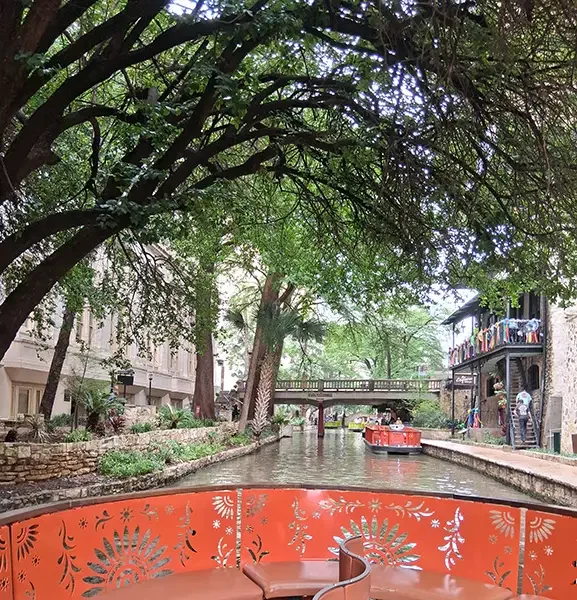
In the afternoon, I boarded one of the San Antonio river barges from Pearl and headed back toward downtown. The ride moved at an unhurried pace beneath low bridges and past stretches of riverbank lined with cypress trees, public art, patios, and apartment balconies hanging just above the water. People sat along the edges of the pathways talking over coffee or watching joggers and cyclists pass by.
At points, it barely felt like being in the middle of a major American city. The farther the barge drifted toward downtown, the more the atmosphere shifted, from the quieter residential calm of the Museum Reach to the energy and crowds gathering closer to the main River Walk.

Right side photo: Courtesy Visit San AntonioFiesta San Antonio Coronation of the Queen of the Order of the Alamo
One of the most fascinating traditions woven into Fiesta San Antonio is the Coronation of the Queen of the Order of the Alamo, a ceremony that feels part pageant, part historical homage, and part theatrical fantasy. Created in 1909 by a group of prominent San Antonio families, the Order was formed to celebrate the city’s heritage and to support what would eventually become Fiesta, the city’s largest annual cultural event.
Over more than a century, the Coronation has evolved into a lavish civic ritual staged at the Majestic Theatre, where the newly chosen queen is presented in an impossibly ornate gown that can take a year to design and weighs more than some of the attendants carrying it. The spectacle is intentionally extravagant, a kind of living folklore, but beneath the glitter is a serious purpose. The event raises significant funds for community programs, scholarships, and cultural preservation efforts tied to Fiesta and San Antonio’s broader historical institutions.
The Coronation is also a window into the city’s identity. San Antonio has always blended history with celebration, and this ceremony captures that mix perfectly. The court, the gowns, the choreography, and the storytelling all draw on a fictionalized royal tradition that never actually existed in Texas, yet has become a beloved part of the city’s cultural fabric. Families pass participation down through generations, and for many San Antonians, the Coronation marks the unofficial start of Fiesta season, a reminder that the city’s history is not only preserved in museums and missions, but also performed, reimagined, and celebrated in ways that bring the community together.
Held inside the Majestic Theatre, a 1929 Spanish Mediterranean masterpiece and one of the last atmospheric theatres in the United States, now designated a National Historic Landmark, the Coronation feels both timeless and slightly surreal. The ceremony is unique, elaborate, and elegant, rooted in local tradition and carried out with a civic pride that reflects San Antonio’s deep cultural heritage.
On my final evening, I headed to the Tower of the Americas and took the elevator to the top, where the iconic revolving restaurant Chart House circles above the city. From 750 feet in the air, San Antonio stretches out in every direction. The missions, the museums, the markets, the parks, and the slow, deliberate curve of the river all fall into place. It is the kind of vantage point that pulls the city’s story into a single frame.
San Antonio remembers everything and forgets nothing. It honours its past, embraces its present, and invites you to step into both. Sitting with a drink above the lights of the city, it becomes clear that history is not something preserved behind glass here. It moves, it breathes, and it waits for you at the next bend in the river.
For more information on planning a trip to San Antonio, visit www.visitsanantonio.com
For more U.S. destinations, check out our articles here.