Malta Travel Guide: Exploring 7,000 Years of History
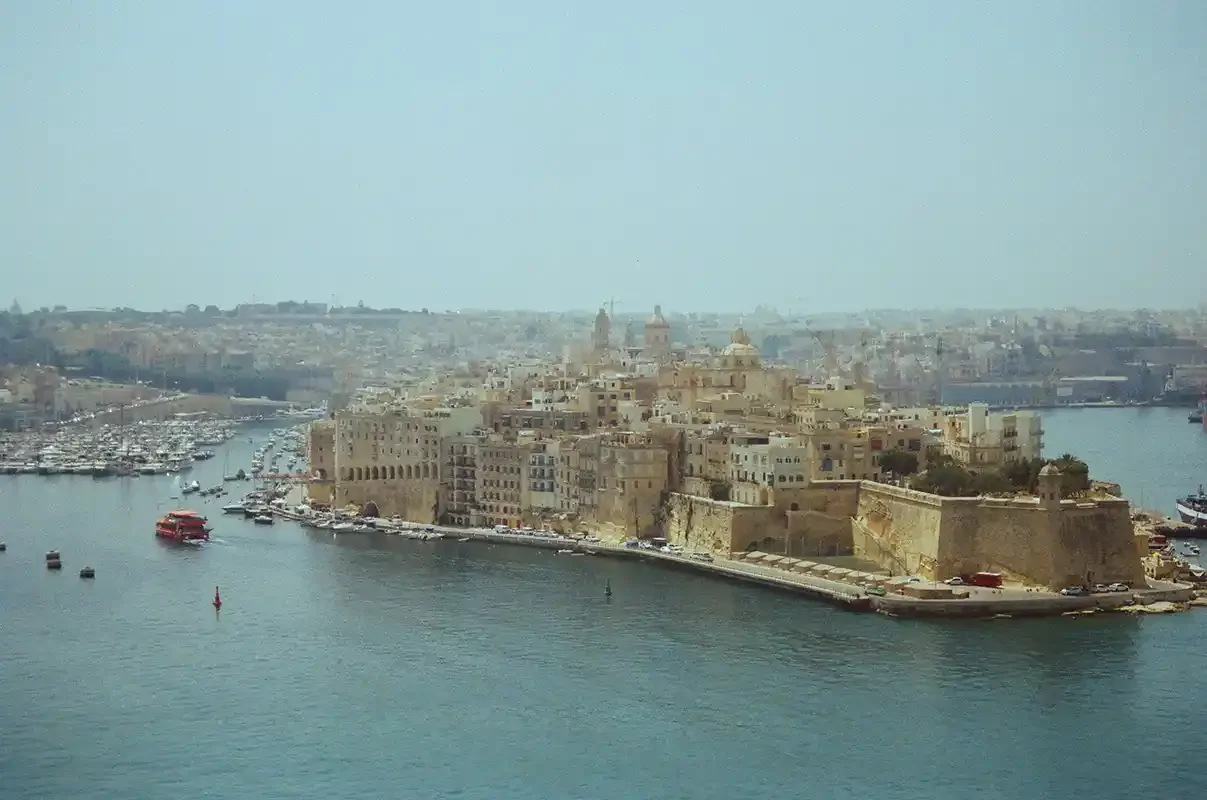
In Malta, the whispers of centuries-old stories are heard on every street, as if the spirit of ancient times still lingers. From the arrival of the Neolithic settlers in 5400 BC to the Knights of St. John in 1530, through the devastation of World War II and into its modern life as a popular Mediterranean destination, Malta feels like a living history museum.
I embarked on a four-day solo trip to Malta not just for the renowned pristine blue waters, but to see how this small, fascinating island could absorb thousands of years of cultural exchange and conflict while still holding tightly to its past.
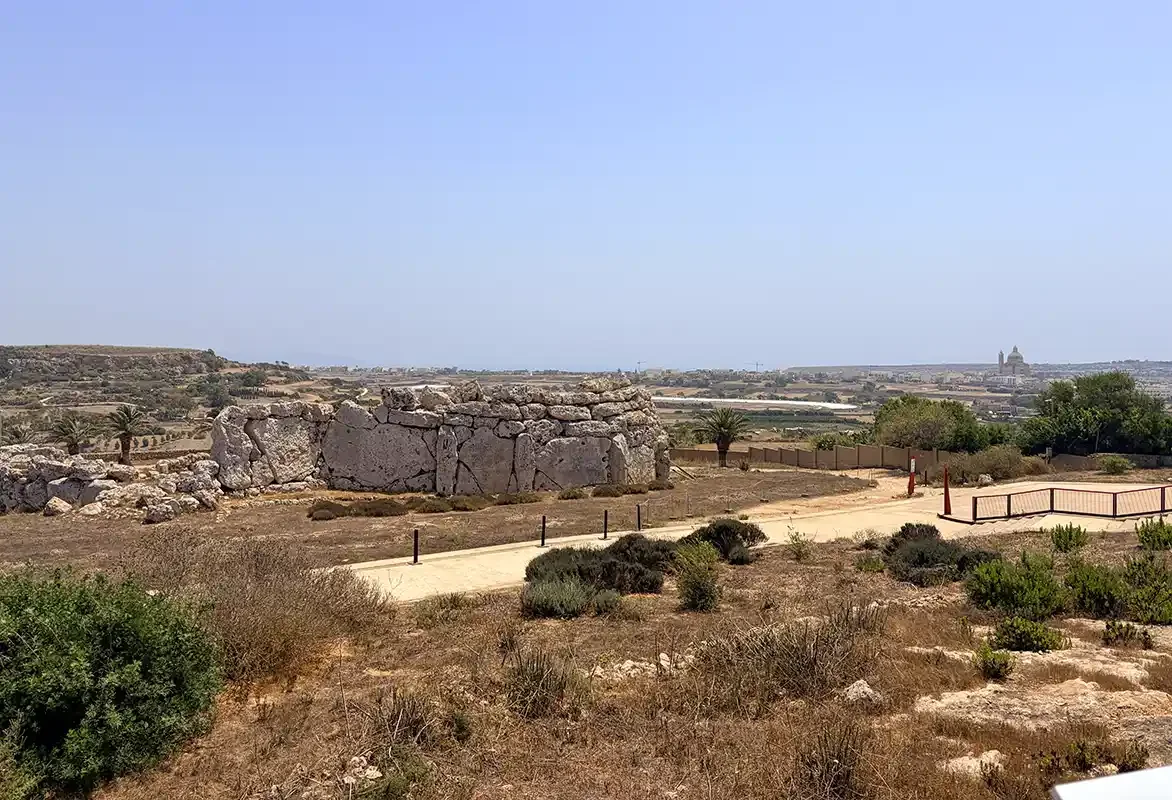
The Ġgantija Archaeological Park
Where History Begins: Ġgantija Archaeological Park
Long before the crowds of tourists, giants roamed Malta. Well, that’s what people thought for centuries when they saw the Ġgantija temple.
Beginning in 5000 BC, farmers and herders arrived on the Maltese islands from various parts of the Mediterranean. Between 4100 and 3800 BC, a new wave of settlers from Sicily built massive temples, including Ġgantija. It became one of the earliest free-standing monuments in the world alongside the other Maltese Megalithic temples.
While standing in front of the giant blocks, it’s easy to see why locals thought giants were the only logical explanation. A near-silent breeze brushed past me as I overlooked Gozo. The landscape seemed to carry a quiet reverence for these structures that outlasts even the Roman Empire. Despite the many churches scattered across the landscape, Ġgantija is a reminder of the ancient people, beliefs and stories that have left a mark on the island.
Malta as a Mediterranean Crossroads
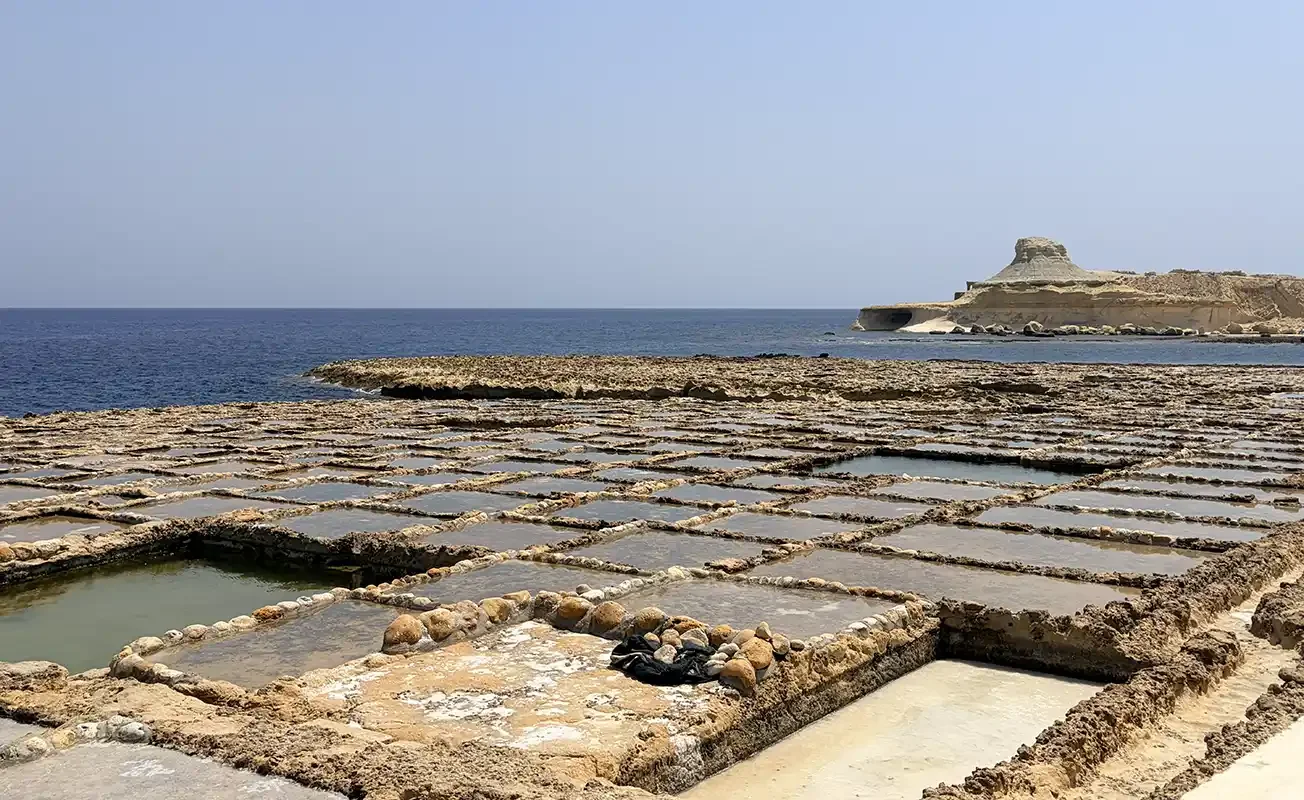
The Xwejni Salt Pans
After the Neolithic temple builders mysteriously disappeared, the island fell into the hands of the Phoenicians, the Carthaginians, and, eventually, ancient Rome. Remnants of their presence stand next to the sea, just as they have for thousands of years. The original Xwejni Salt Pans are estimated to be nearly 2,000 years old and were a pillar of Roman society, which even influences language today. Our guide explained that the harvest workers were paid in salt, which is where the modern word “salary” originates. The spirit of the Romans remains alive today, as local families still extract salt from the pans.
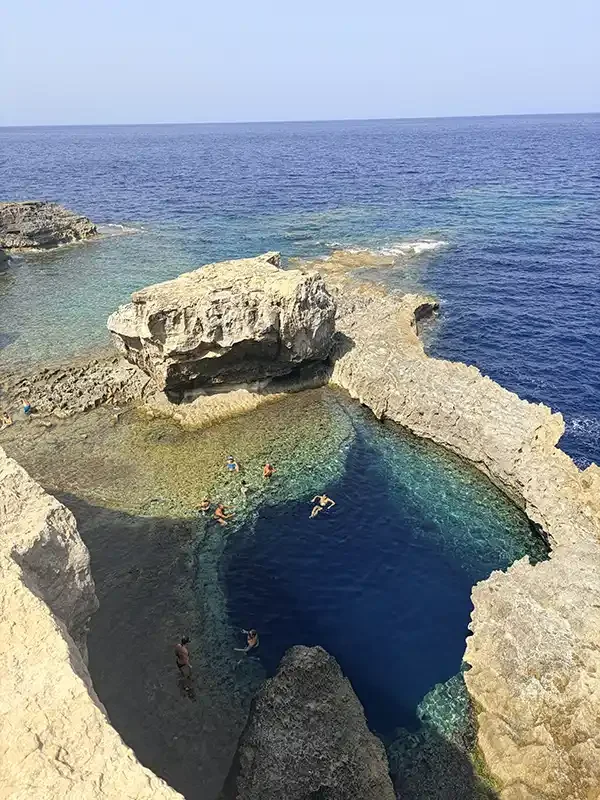
The Blue Hole
After the fall of Rome, Malta fell into the hands of the Byzantines and Arabs from 870–1091 AD. To hear the Arab influence, all you must do is listen. Even the Maltese language is an homage to its intertwined past with Mediterranean powers, with its core grammar and structure coming from Arabic, while a large portion of its vocabulary was later influenced by Sicilian, Italian, and English.
The Knights Arrive: Malta Becomes a Fortress
The Founding of Valletta
In 1530, the notorious Knights of St. John arrived in Malta after Charles V granted the islands to the Order. But the Knights of St John were particularly unique. Following the island's intercultural pattern, the Knights of St John were a Catholic medical and military order assembled from throughout Europe. Before landing on the island, the knights were sorted into language groups to minimize miscommunication. Each language group had their own house, such as the Auberge de Castille, which is now home to the office of the Prime Minister.
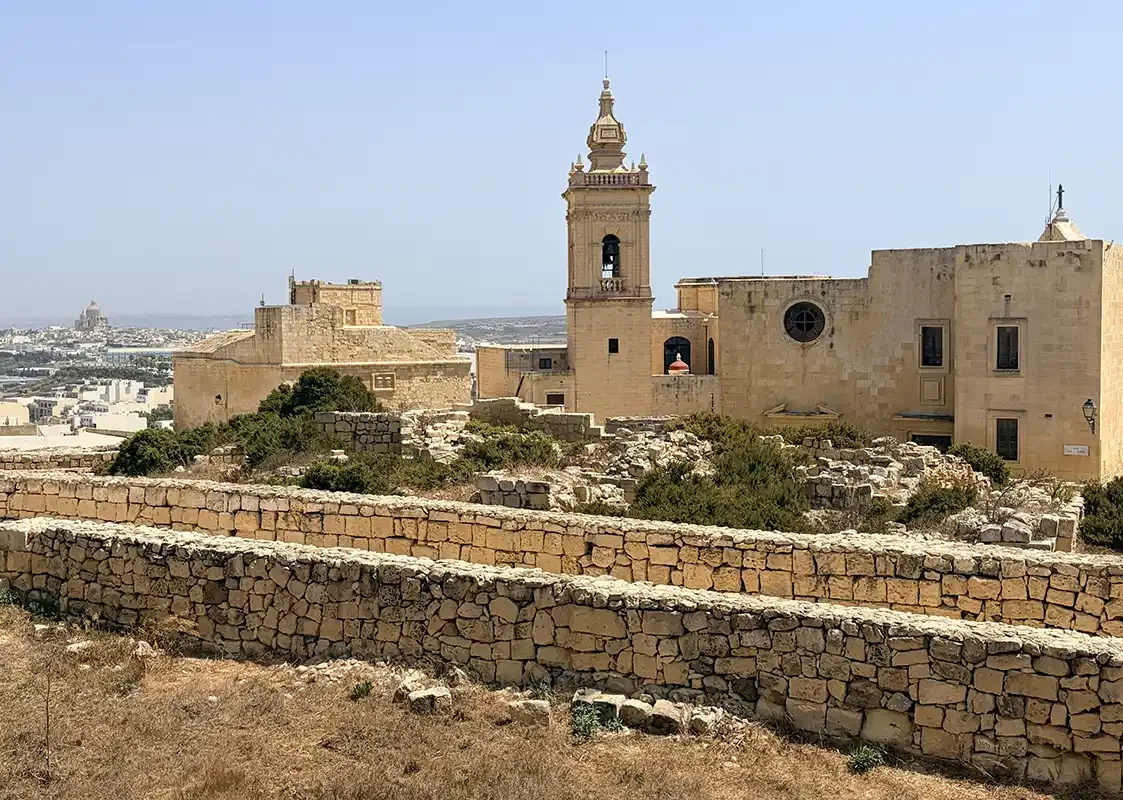
These knights were stationed in Malta as the Ottoman Empire menacingly expanded its power across the Mediterranean. The Ottomans first turned their attention to the island of Gozo, our tour guide explained. “This is a very tragic place; very sad things happened here,” he told us with a sombre look in his eyes.
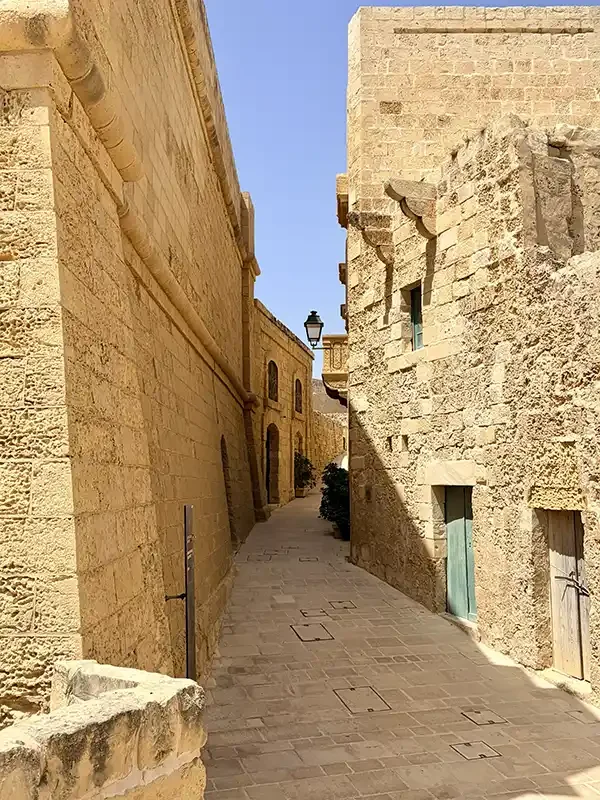
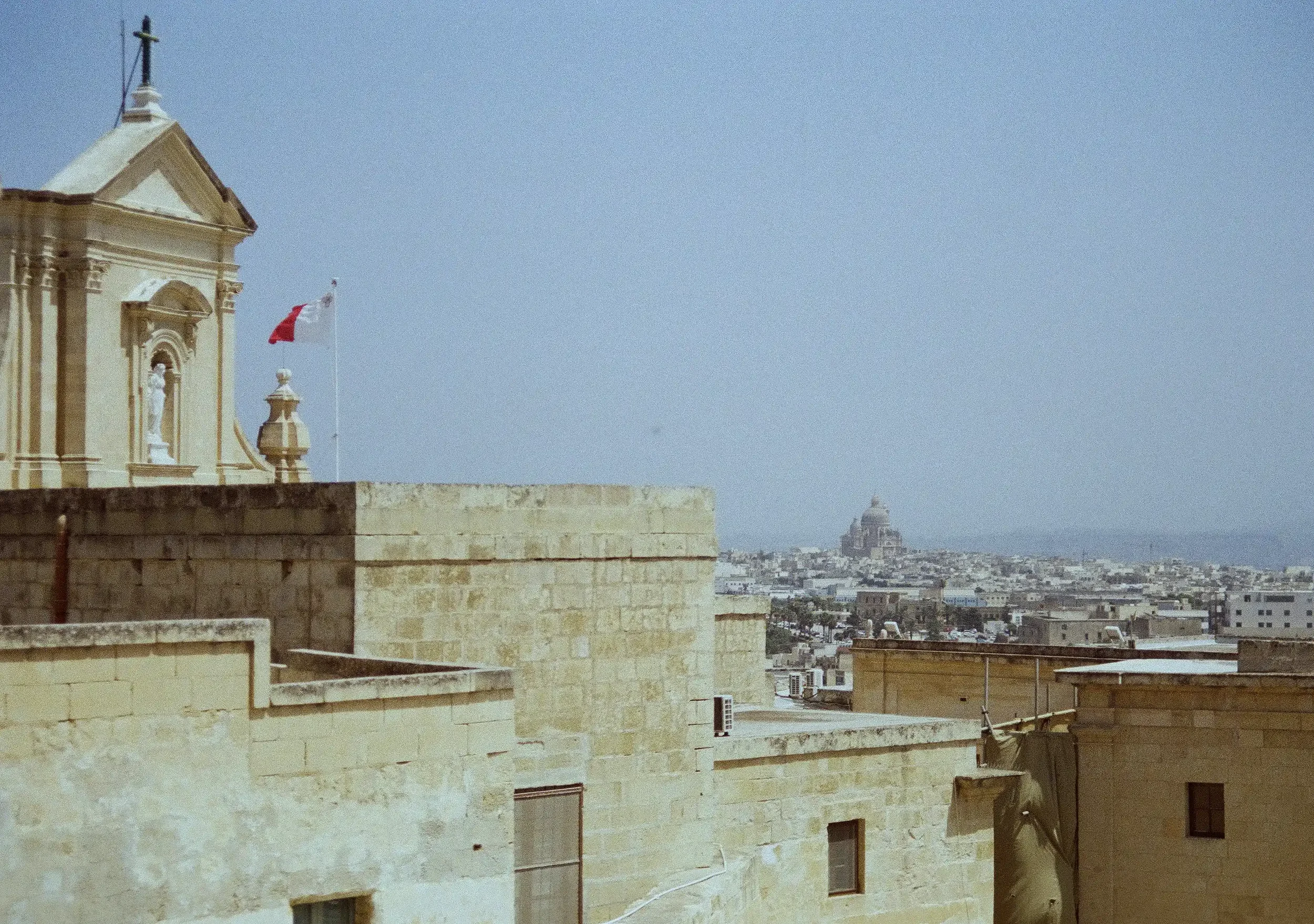
In 1551, the Ottoman troops came to Gozo, and nearly the entire population of 5,000 citizens were forced into slavery. It took 50 years to repopulate the island and rebuild the Citadella. Today, the Citadella of Gozo still feels like a small city, and its narrow alleyways pay homage to the locals once hidden behind these mighty walls. A strange sensation washed over me. The same fortress displaying vast views of the city beneath me once offered a terrifying view of overwhelming Ottoman forces.
But justice had not abandoned the island. In 1565, the Ottoman Empire returned with an even larger force to take the island once and eliminate the Knights of St. John. However, under the leadership of Grand Master Jean de Valette, the defenders successfully repelled the Ottomans, who eventually abandoned the siege. This led to the founding of Valletta in 1566.
460 years later, Valletta’s sixteenth-century origins cast a strong shadow over the city, with an array of massive walls, bridges, churches and limestone forts mixed between resorts and charming streets. Strolling through the narrow streets and pathways, I felt as though I had entered into a time capsule.
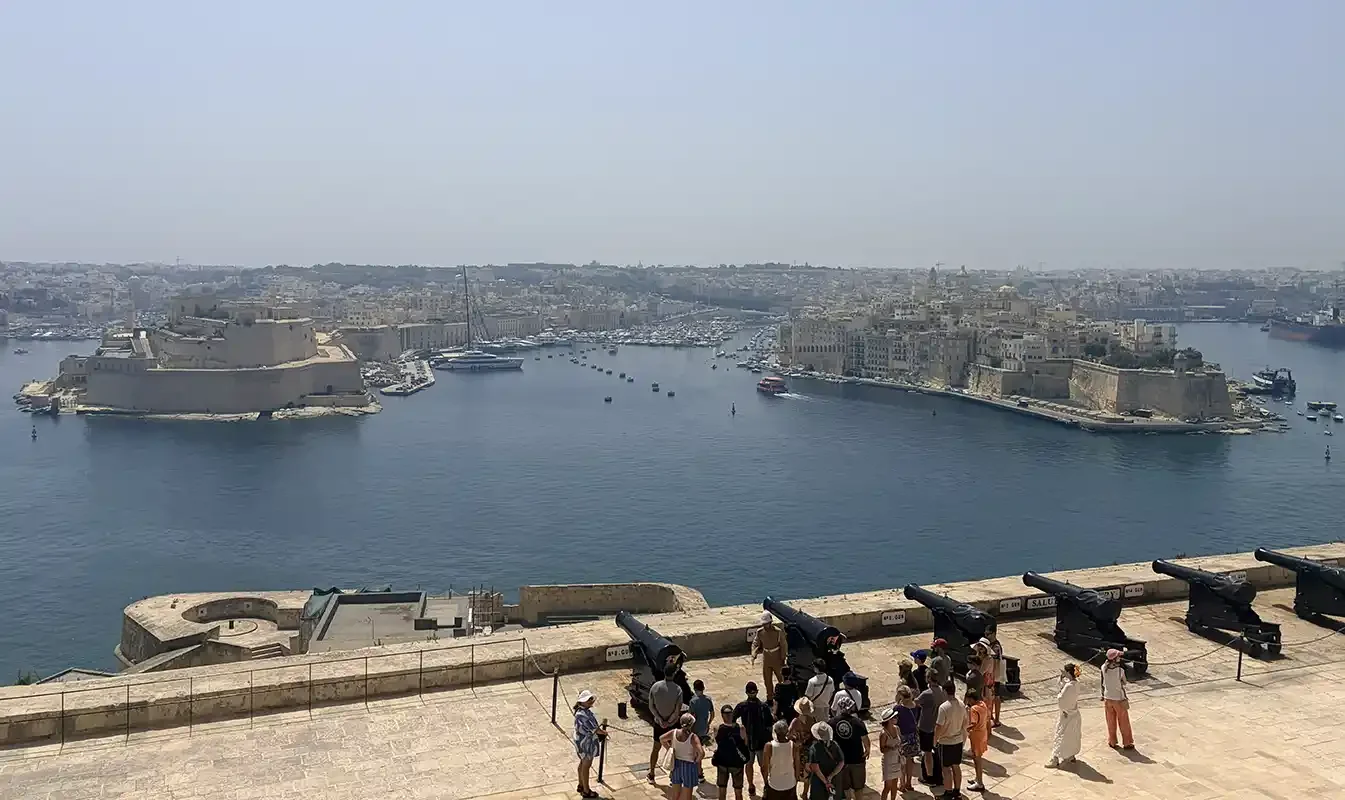
View from Upper Barrakka Gardens
The Upper Barrakka Gardens
This is especially apparent in the Upper Barrakka Gardens, the highest point on Valletta’s bastions. The Gardens were constructed in 1661 as a training area for the Knights and were only opened to the public in 1800.
Today, the Upper Barrakka Gardens are one of Valletta's most picturesque viewpoints, with views of the three cities in their backdrop. I returned at night to the gentle glow of a cloudy sunset as the lights reflected across the harbour. The city somehow felt even more ancient. However, during the time of the knights, this view provided a powerful vantage point for spotting approaching enemy ships. Although under different circumstances, it still offers one of the most striking views in Valletta.
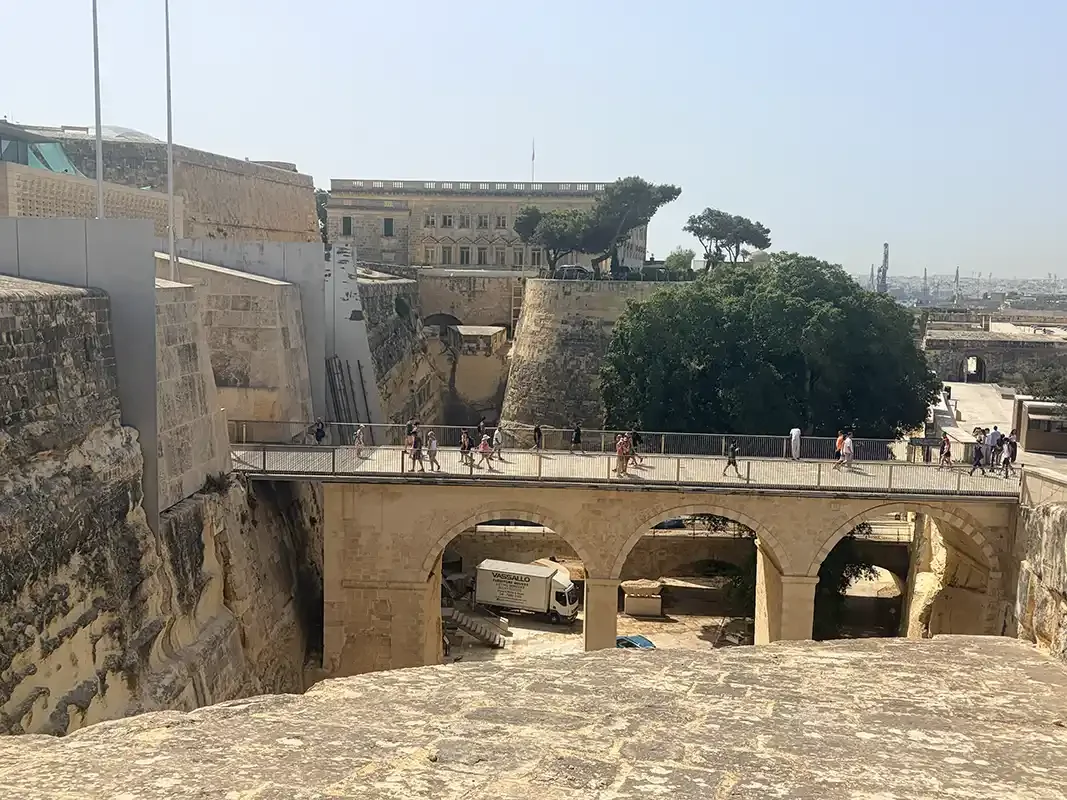
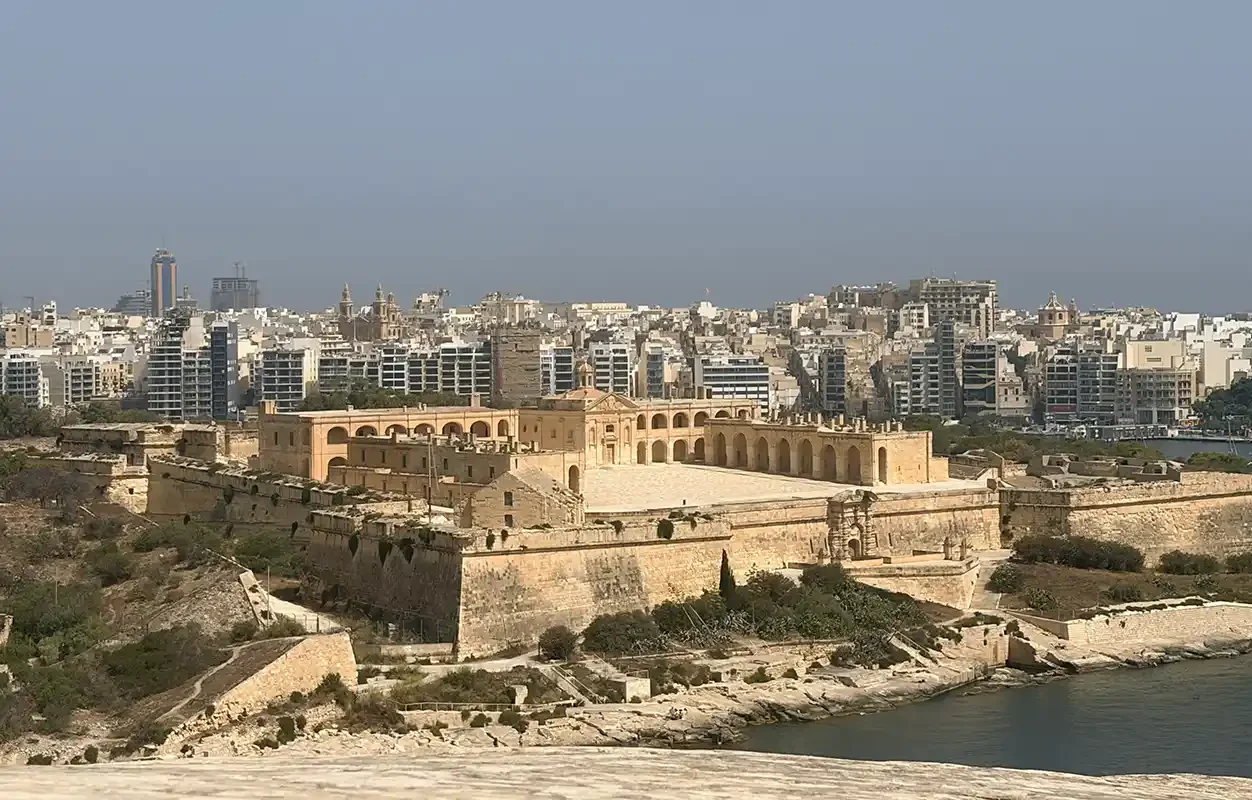
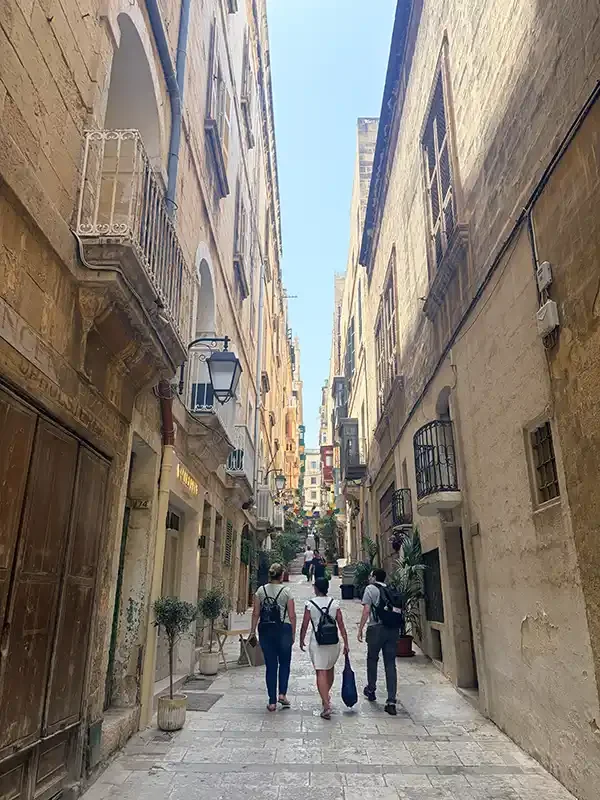
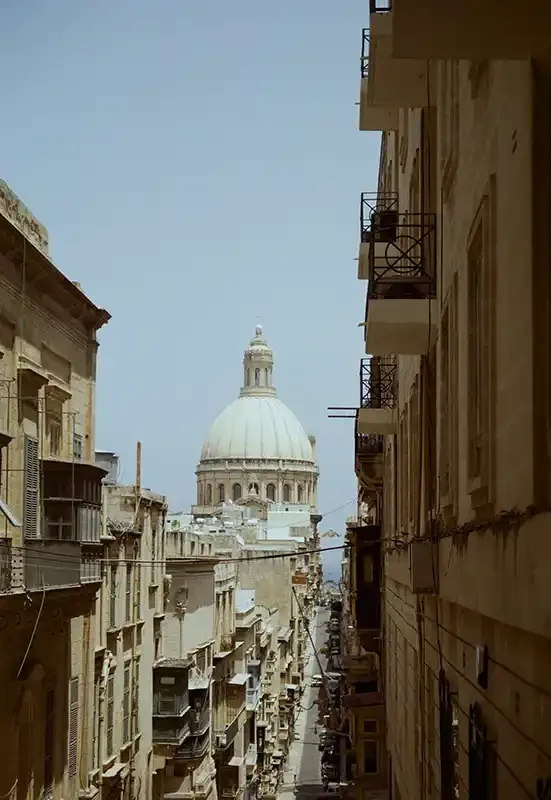
Architectural Influence
Shortly after the establishment of Valletta, the city began to follow in the footsteps of the Renaissance thanks to the work of Francesco Laparelli. Laparelli wasn’t just a military engineer; he also deeply loved Renaissance architecture. All these aspects heavily influenced the newly secured home of the Knights of St. John. His Maltese assistant, Girolamo Cassar, was equally important, blending Italian Renaissance influences with local Maltese traditions. His influence is still seen today in the auberges, the Grand Master’s Palace and St. John’s Co-Cathedral. If their legacies weren’t cemented enough in the buildings that still stand today, they can also be found together in a monument near Valletta’s Parliament building.
Malta’s Catholic Legacy
As an island whose history was profoundly shaped by the Knights of St. John, it's impossible to look across any horizon and overlook the array of cathedrals. Even after the Knights of St. John departed, their churches remain just as present. A popular saying in Malta is that there is a church for every day of the year—nearly 365.
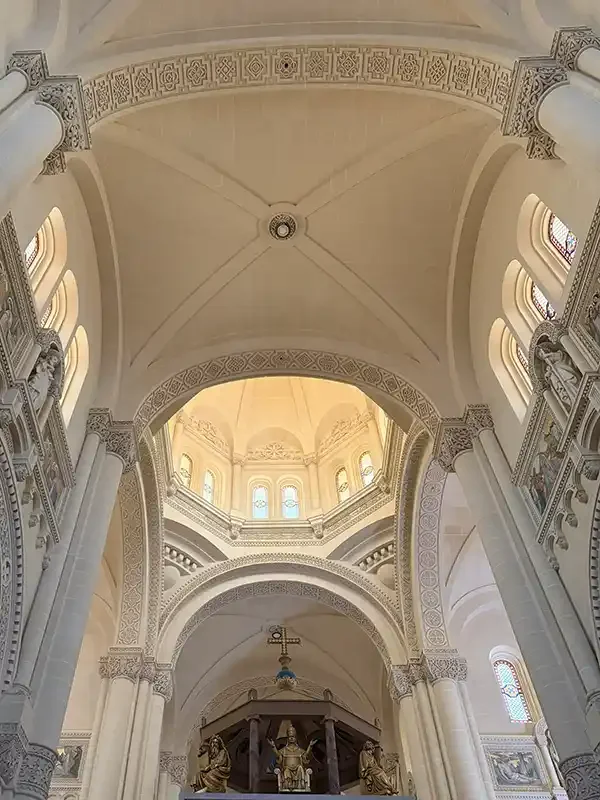
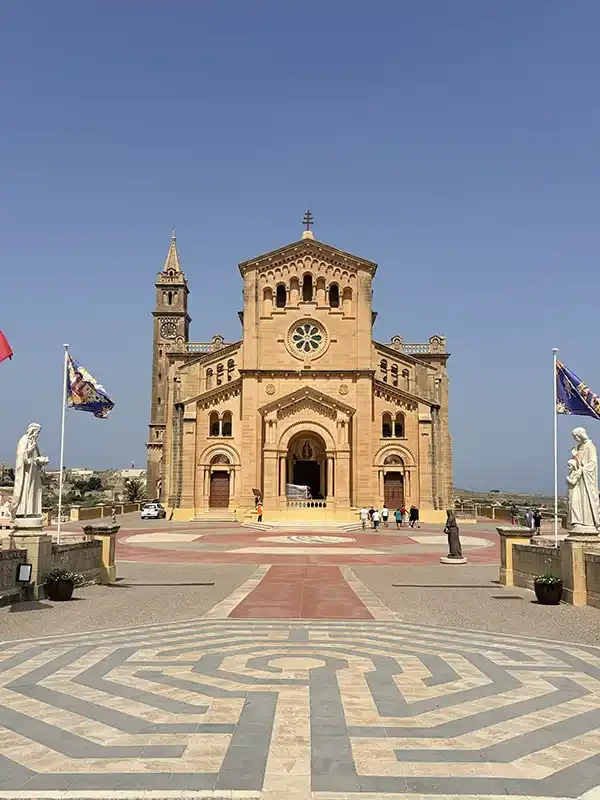
This is most obvious at Ta’Pinu Shrine, one of the most beautiful churches I’ve ever seen. Regardless of religious beliefs, it’s hard not to feel a sense of awe and peace upon walking through the doors. The origins of the original chapel can be traced back to 1575, although the current structure was officially completed in 1931. In 1883, a local woman even reported hearing the voice of Mary. Standing underneath the beautifully pristine columns, it’s easy to understand why the site has held such spiritual significance for generations.
The Island That Became a Military Target Again
Malta’s military history didn’t just end in the medieval era. In 1800, the British expelled the French from Malta, and it officially became part of the British Empire in 1814. This was of paramount importance to the British, who, just like the Carthaginians, Romans, and Ottomans, viewed Malta as an important naval and military base.
However, centuries of history were at risk of being lost during the start of World War II. Malta became the most heavily bombed country after being subjected to nearly 3,000 bombing raids by the Axis powers. 6,700 tons of bombs were dropped in April 1942, which was more than the total weight dropped in a single month during most other campaigns.
As I soaked in the views of Fort St Elmo and the towering cathedrals, I felt grateful that even after the destruction of 10,761 buildings, I can still stand in these streets and take in similar views to the generations before me.
Malta Today
Malta’s modern reputation as a top Mediterranean tourist destination can sometimes overshadow its historical legacy. However, the island’s landscape has always been part of its story, and casts a magical sense of peace worthy of its centuries-long preservation and protection.
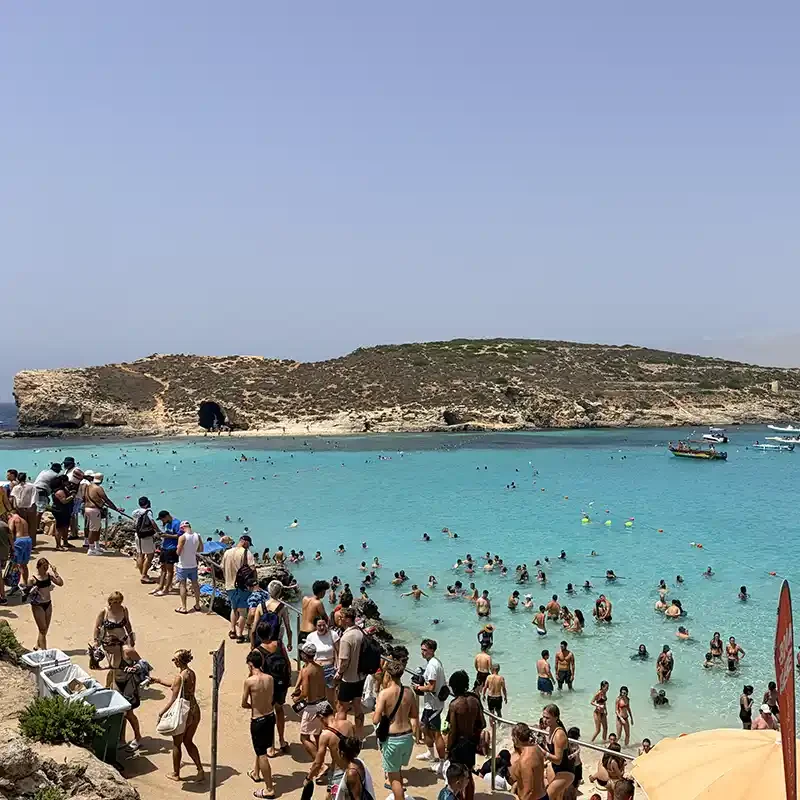
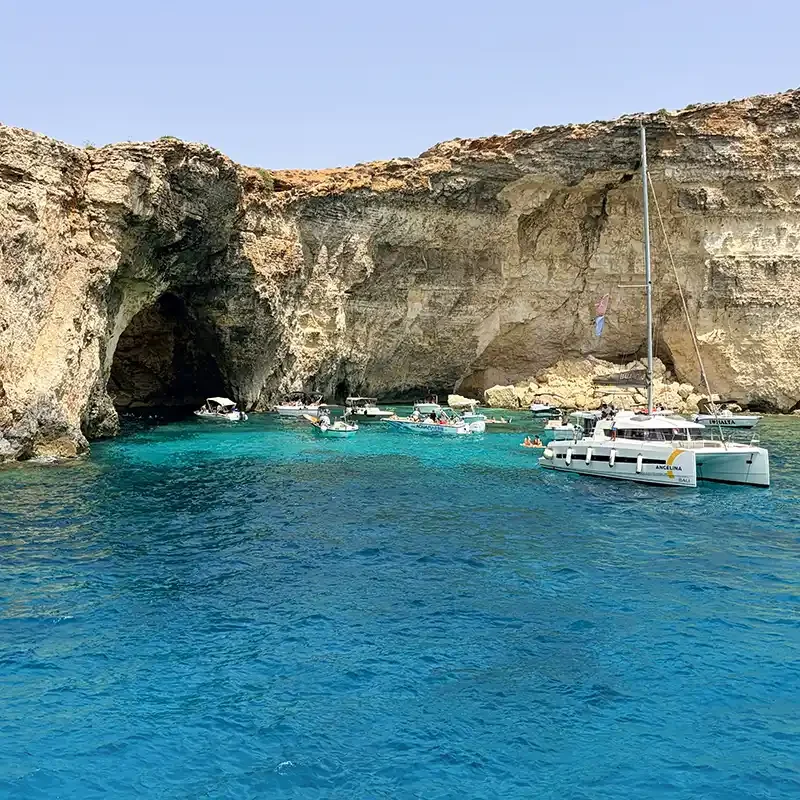
This spirit is most tangible at the famous Blue Lagoon. Alongside many other visitors eager to catch a glimpse of the electric blue water, I took a boat ride with Sea Trips to see the Crystal & Blue Lagoons and Caves. Although the Blue Lagoon has a reputation for being crowd-ridden, I found a hidden gem across the water, which became the highlight of my trip.
Across the lagoon, I noticed a small cave with few people, leading to the open ocean. I felt a sense of freedom as I floated above the bright blue waters, ancient waves sweeping over and charming me just as they have for countless civilizations. I had nearly the whole ocean to myself, and realized that Malta’s history is truly present in each city, wave and landscape.
FAQ:
How many days should I spend in Malta?
I spent four days in Malta and found it too short to both explore and relax. I’d recommend at least a week if you want to see the major sights without rushing.
Where should I stay in Malta?
Sliema and St. Julian's are convenient home bases which offer an easy commute into Valletta. I stayed at Boho Hostel in St. Julian's, which was quiet and an inviting space that made it easy to befriend other tourists.
Do I need a car?
Malta’s bus system is affordable and efficient. Most tour companies offer pickups from hotels included in their packages. Because of this, I did not feel I needed a car.
Is the Blue Lagoon worth it?
The Blue Lagoon is worth visiting, but go prepared for it to be extremely crowded. Most visitors congregate around the main swimming area, while quieter spots can be found farther from the busiest section (towards the cave mentioned above).
ALL PHOTOS: ANALISE SAAVEDRA