Tampa Uncovered: Paddleboarding, Culinary Hotspots, and the Best of Florida’s Most Desirable City
Discover why Tampa is one of Florida’s most exciting destinations—from paddleboarding along the scenic Riverwalk to exploring vibrant food spots and family-friendly attractions.
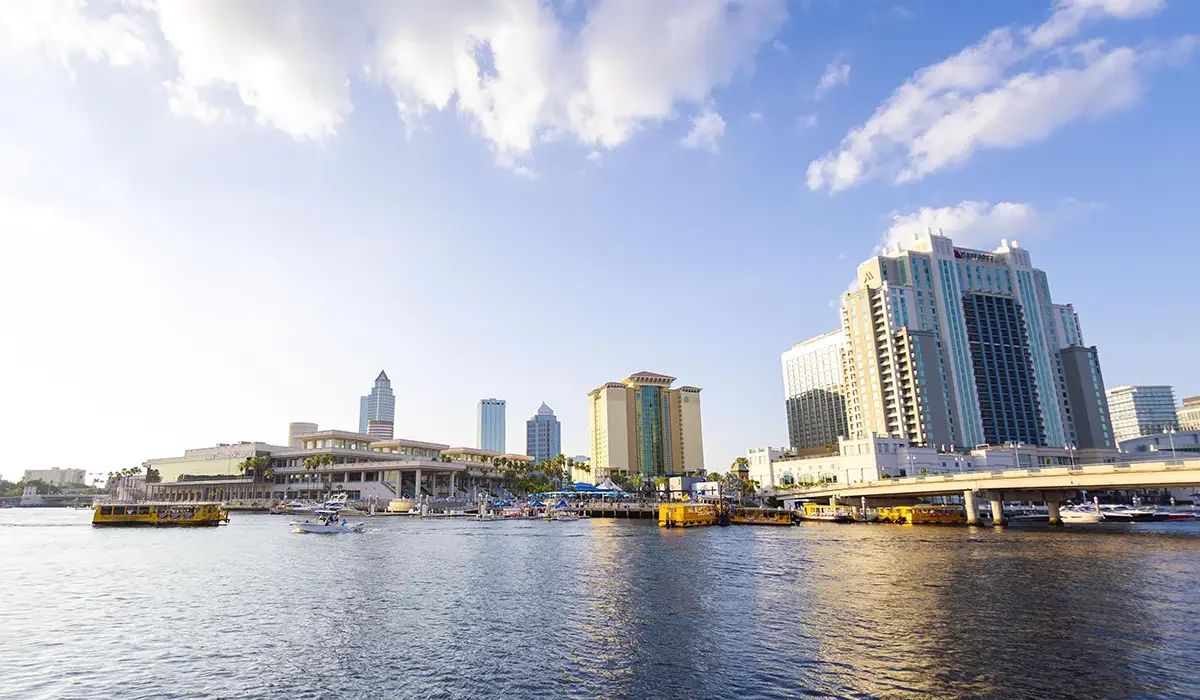
Tampa has always been a city shaped by water and wanderers. It sits on the edge of the Gulf like a place perpetually ready to launch into something new, yet it carries its past with a kind of quiet pride.
Cuban and Spanish influences run through its neighbourhoods, its kitchens, and even its architecture.
Modern towers rise beside century‑old brick warehouses.
A streetcar glides past palm‑lined parks.
And everywhere you go, the city feels like it’s in motion—growing, reinventing, and welcoming anyone who wants to join the ride.
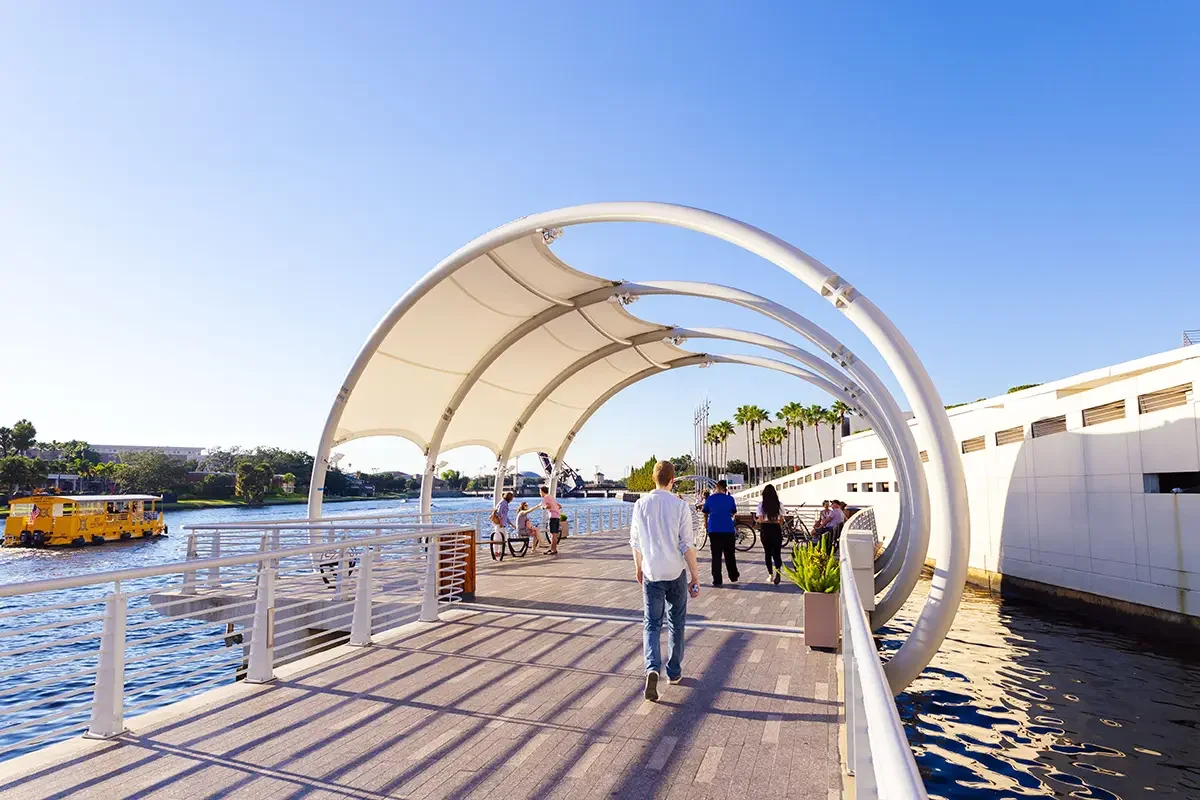
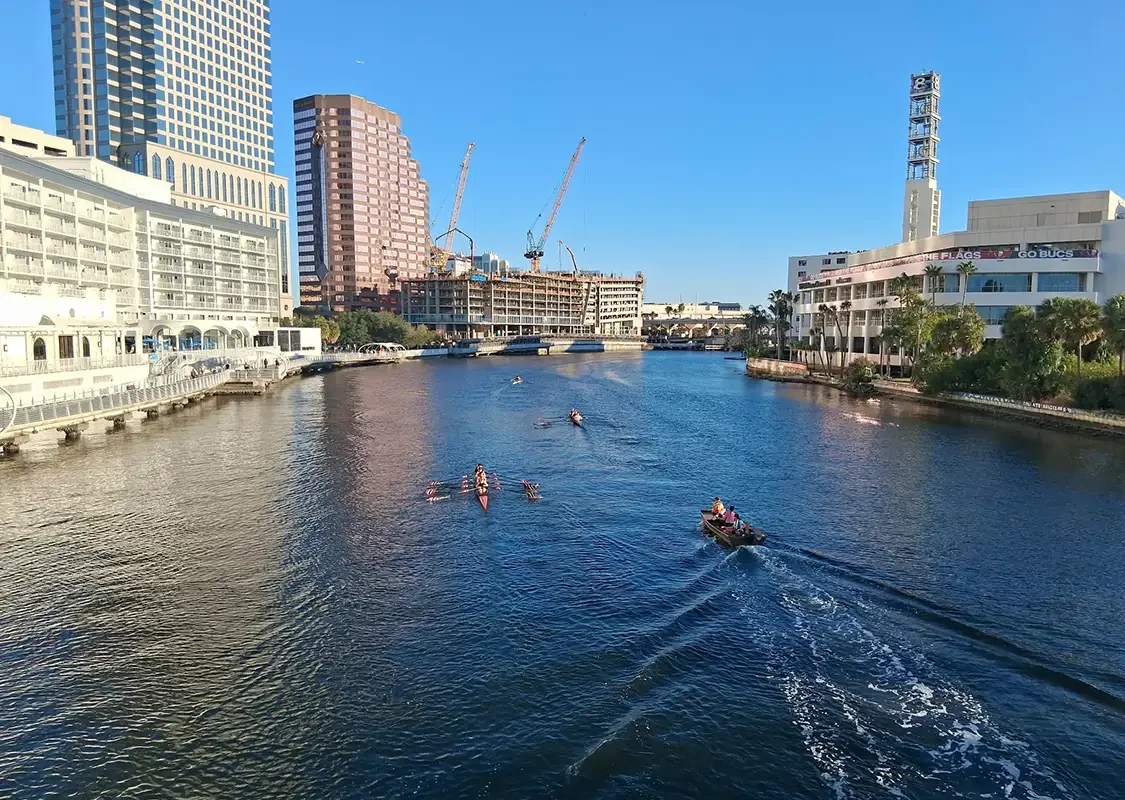
ABOVE: Run, bike, or stroll along Tampa’s Riverwalk. Whatever you choose, you might catch Tampa Bay University rowers powering through a training session. LEFT PHOTO: Courtesy Visit Tampa Bay
Downtown Tampa hums with energy.
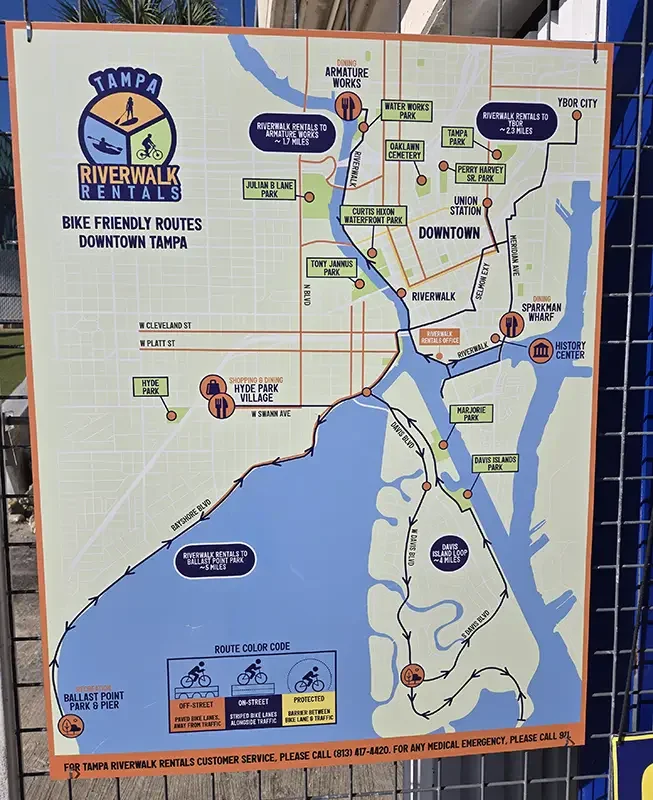
The Tampa Riverwalk, a sweeping waterfront promenade, ties the city together like a ribbon—connecting parks, museums, restaurants, and public art in a way that makes the city feel both intimate and expansive. Locals jog along the water at sunrise. Families wander between playgrounds and cafés. We rented bikes from Tampa Riverwalk Rentals, which makes it easy to hop on and cruise past the skyline, stopping to watch dolphins surface in the bay. The Riverwalk is the city’s front porch, and it’s alive from morning to night.


PHOTOS: Courtesy Visit Tampa Bay
The Top Family-Friendly Activities
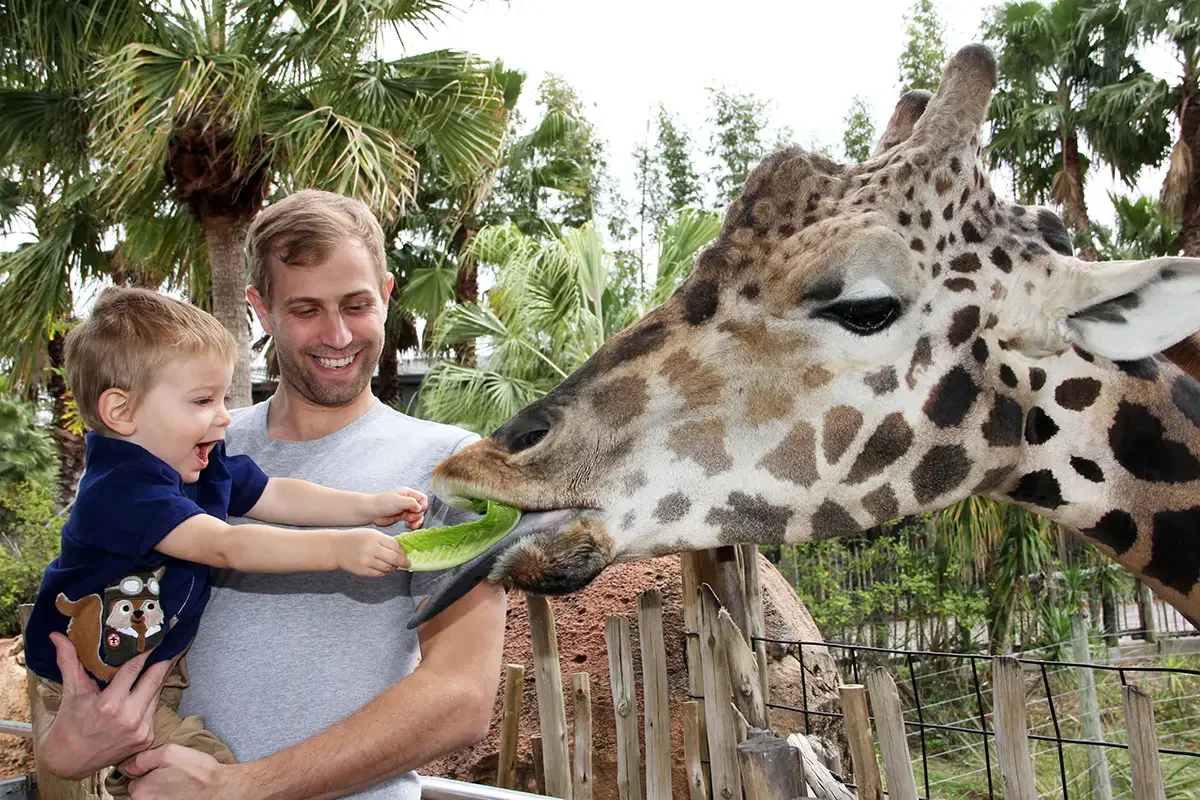
Tampa’s reputation as a family‑friendly destination is well earned.
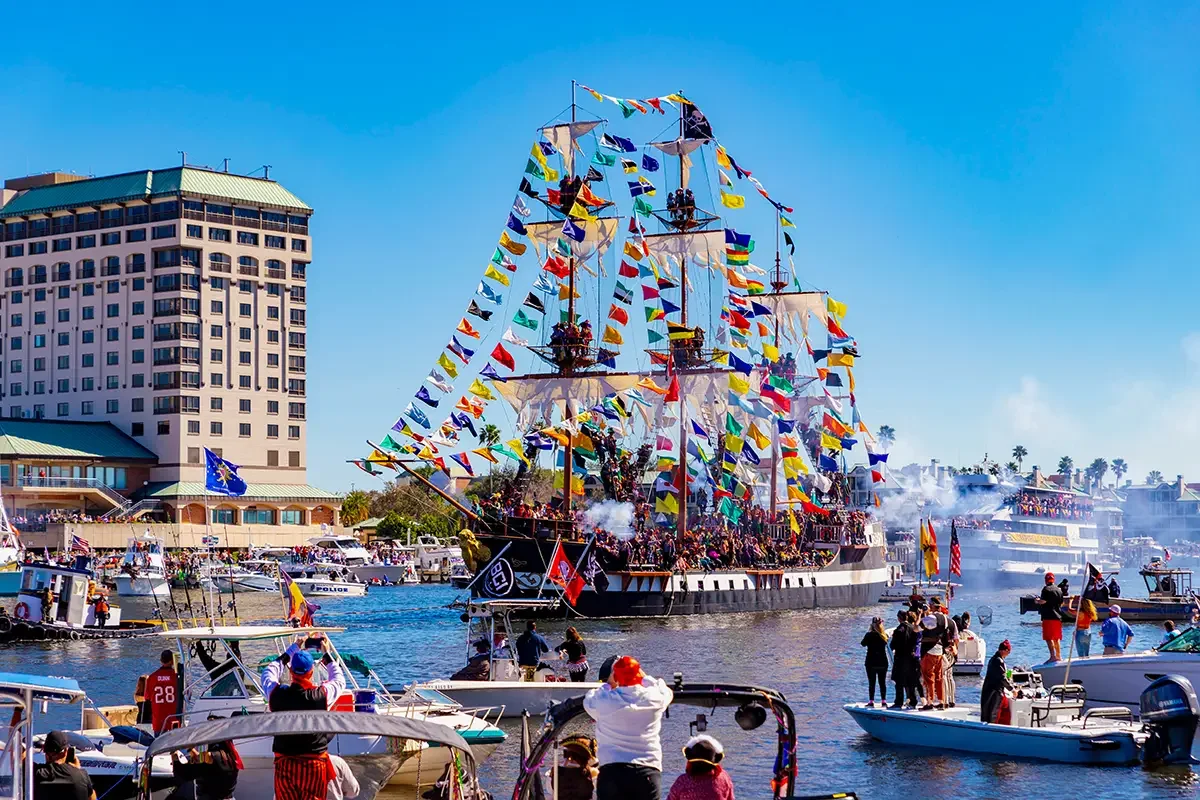
The annual 120-plus-year-old Gasparilla Pirate Festival sees hundreds of pirates aboard the “Jose Gasparilla”, named after the famed pirate José Gaspar, who once terrorized the waterways of the Tampa Bay area, invade to the delight of crowds cheering from bridges, boats and the riverside. Once ashore, the pirates invade the city with over 100 floats in the third-largest children’s parade in the U.S. The celebration then continue for eight weeks with festivals for everything from music, arts, and film festivals, plus running races and other activities.
PHOTOS: Courtesy Visit Tampa Bay
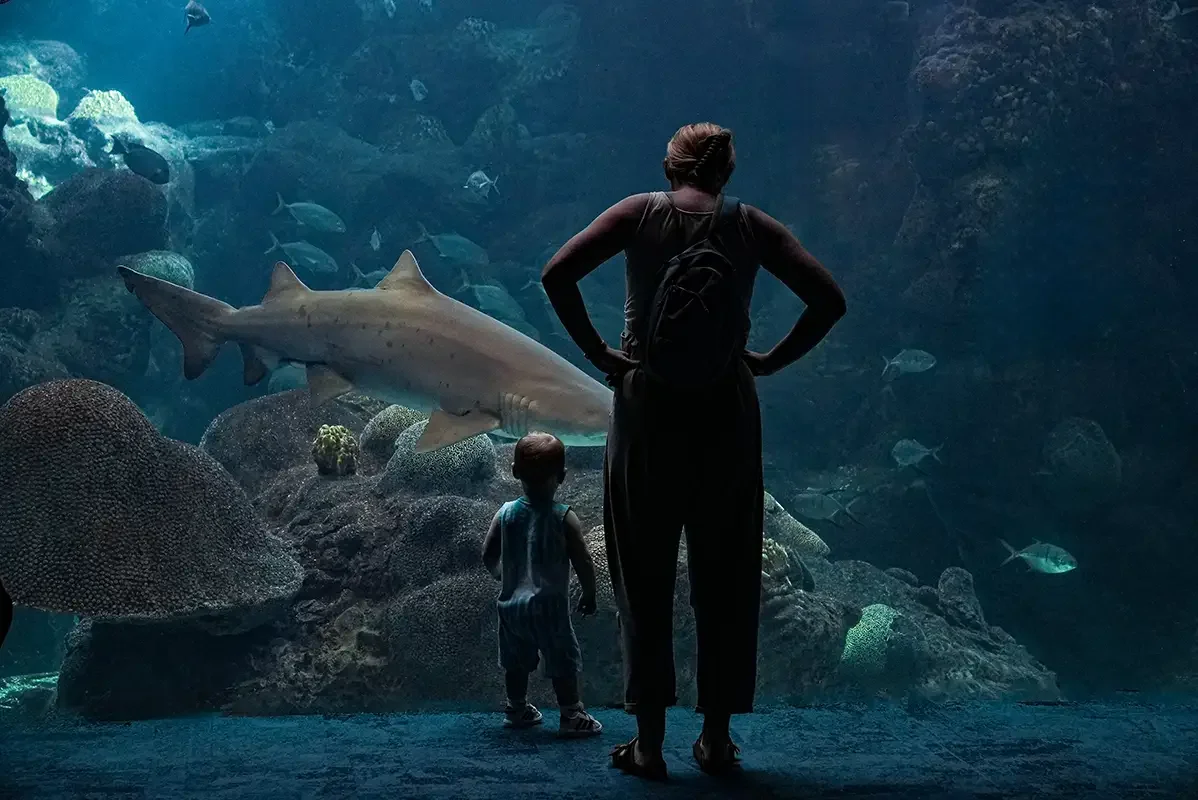
The Florida Aquarium offers a deep dive into the ecosystems of the Gulf and beyond, while Busch Gardens remains one of the country’s most thrilling theme parks, blending roller coasters with wildlife encounters.
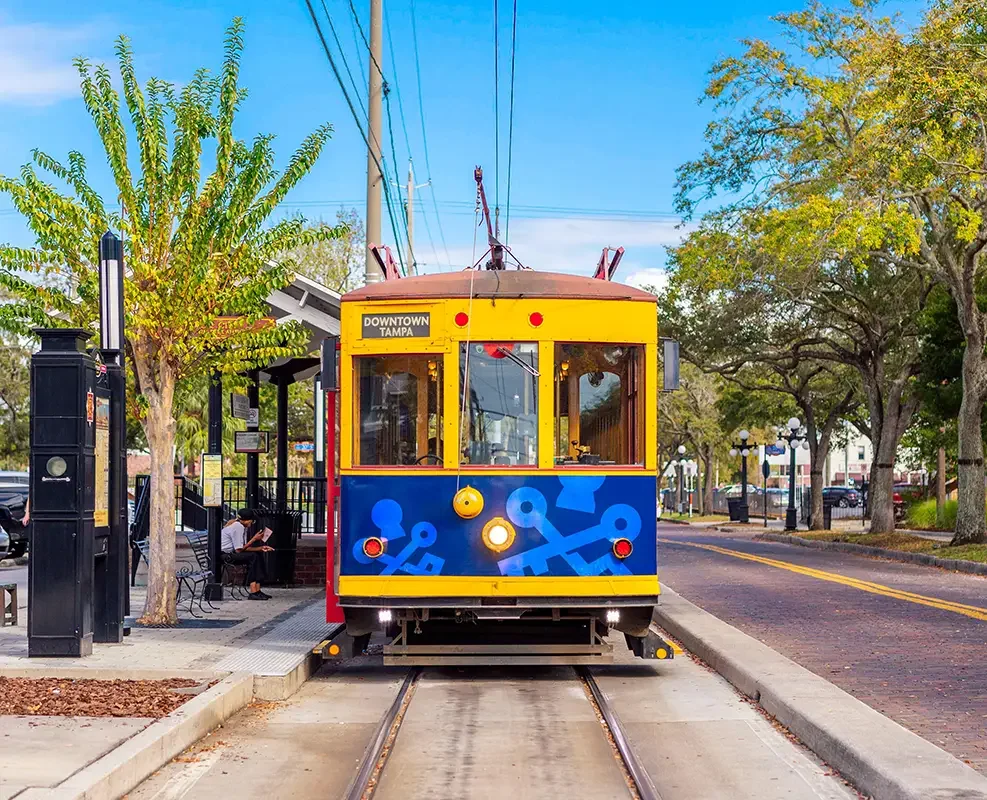
Sports fans have their pick of professional teams: the NFL’s Tampa Bay Buccaneers, MLB’s Tampa Bay Rays, and the city’s beloved NHL franchise, the Tampa Bay Lightning. On the night we visited, the Lightning were hosting the New York Rangers, and the free TECO streetcar was packed with fans. Rangers supporters in blue jerseys stood shoulder‑to‑shoulder with Tampa locals proudly wearing the Lightning’s unmistakable bolt across their chests. The mix of accents, colours, and good‑natured rivalry made the ride feel like a rolling block party.

LEFT PHOTO: Courtesy Visit Tampa Bay
Tampa’s outdoor spaces are equally compelling. Hillsborough River State Park, just outside the city, offers hiking trails shaded by towering pines and oaks, while Lettuce Lake Park provides boardwalks through wetlands where herons, turtles, and the occasional alligator glide through the water. For a city with such a dynamic urban core, Tampa never forgets its wild side.
Discover Florida’s Top Dining Scene
But Tampa’s most defining feature may be its food scene, which has evolved into one of the most exciting in the southeastern United States. Nowhere is this more evident than in Water Street, the city’s gleaming new district of restaurants, residences, and public spaces. At its centre sits Boulon Brasserie & Bakery, a restaurant that feels like a love letter to Paris written with a distinctly Floridian flourish.
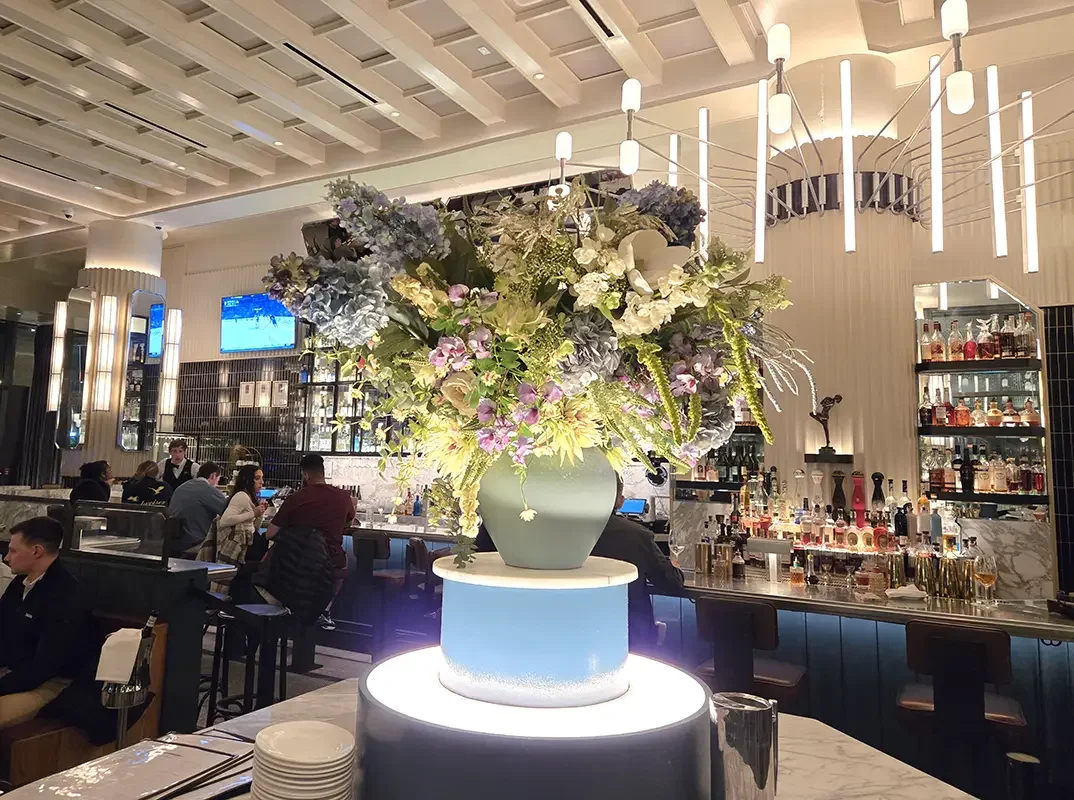
Boulon Brasserie & Bakery has a fantastic sidewalk patio that invites you to linger and and a beautiful French-inspired interior.
The dining room is bright and polished, with brass accents and soft lighting that give it the warmth of a modern European brasserie. The menu leans French but never feels confined by tradition. Steak frites, buttery lobster gnocchi, moules frites, and snapper amandine are just a few of the dishes that have cemented this spot at the centre of Tampa’s culinary scene.
And then there are the bakery’s impossibly flaky pastries, which seem to disappear from the counter as quickly as they’re set out. Cocktails arrive as small works of art—vibrant, balanced, and crafted with the kind of care that has made Boulon a favourite among locals and visitors alike. It’s the sort of place where business lunches stretch into lingering dinners, and where the hum of conversation becomes part of the décor itself.
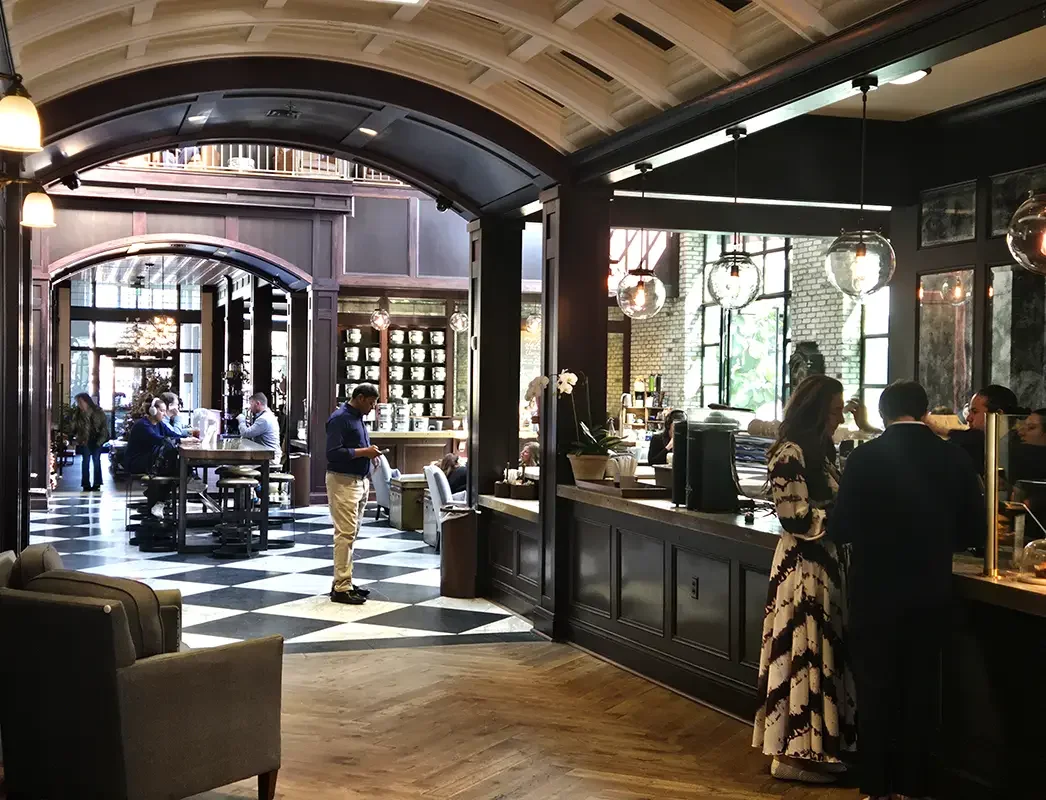
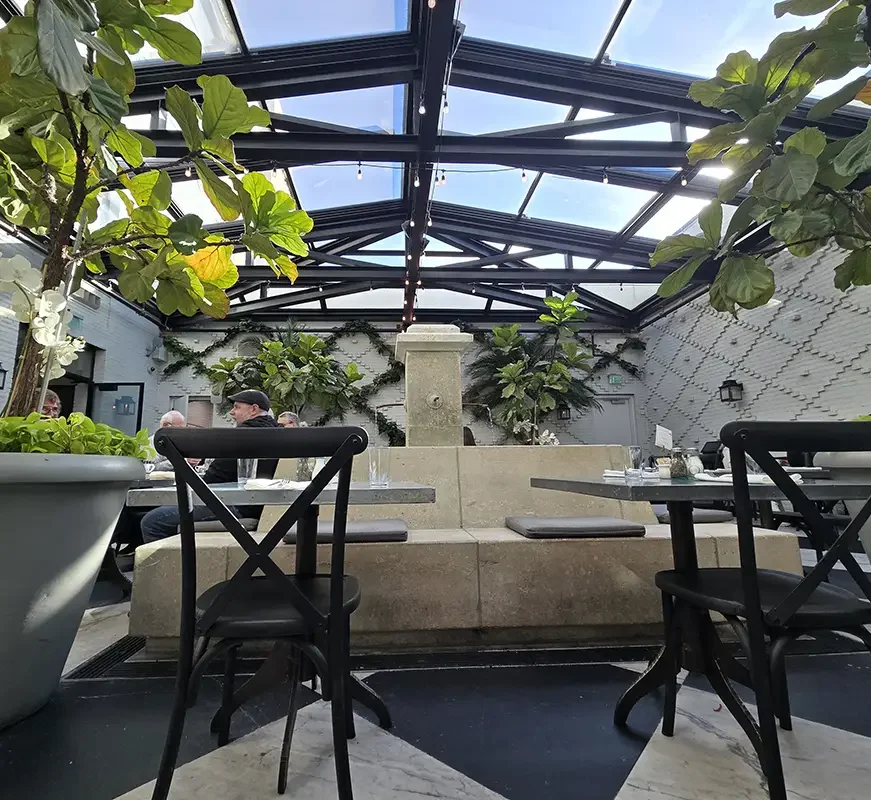
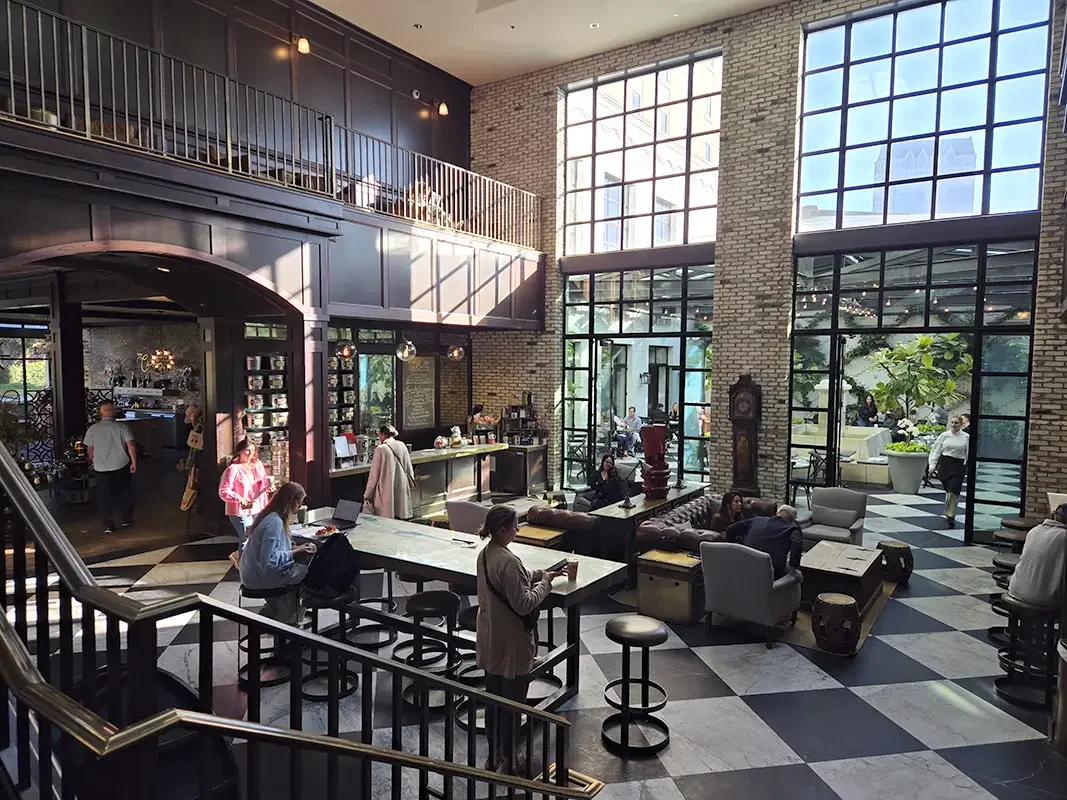
The next morning, we started the day with a local ritual, breakfast at Oxford Exchange. Housed in a restored historic building near the University of Tampa, it feels like a cross between a London social club and a contemporary design studio. Sunlight pours through a glass conservatory, illuminating a space that blends a restaurant, coffee bar, bookstore, and home décor shop.
We enjoyed plates of avocado toast, lemon‑ricotta pancakes, and perfectly poached eggs served at tables surrounded by bookshelves and greenery. This place is stylish without being pretentious, lively without being loud, and unmistakably Tampa in its ability to blend old and new.
Next up was a visit to Urban Kai to see Tampa from the water. The downtown outfitter has a well‑earned reputation for friendly, patient staff who make even first‑timers feel steady on a board. After a quick lesson, we pushed off and were suddenly in a different Tampa altogether.
Standing on a paddleboard on the Hillsborough River gives you a front‑row view of the city—gliding past the Riverwalk with the skyline rising ahead and the silver minarets of the University of Tampa peeking over the trees. The water is calm enough that you can take it all in without wobbling, and you’re never alone out there. Rowing crews slide past in perfect rhythm, and tiki boats putter by with music drifting over the water.
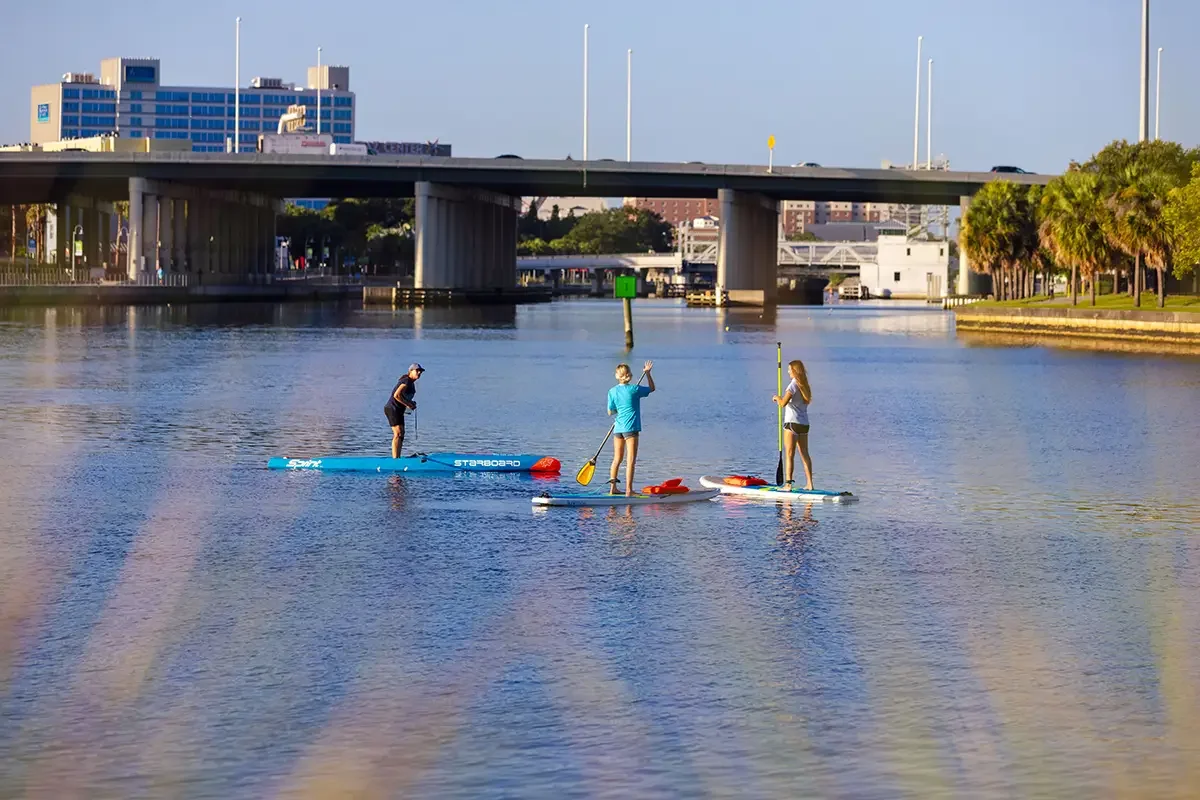
PHOTO: Courtesy Visit Tampa Bay
I was convinced I’d make it through the 90‑minute tour without falling in—right up until a tiki boat rolled by and someone called out, “Don’t fall in!” I laughed, lost my balance, and went straight into the river. On a warm, sunny Tampa morning, it was more refreshing than embarrassing.
Dolphins are known to appear in these waters, and I was pretty excited to see one; just knowing they’re out there adds to the magic. Paddleboarding here isn’t just a fun outing; it’s a quiet way to understand Tampa’s connection to its shoreline, its wildlife, and its easygoing rhythm. For me, Urban Kai was a definite trip highlight!
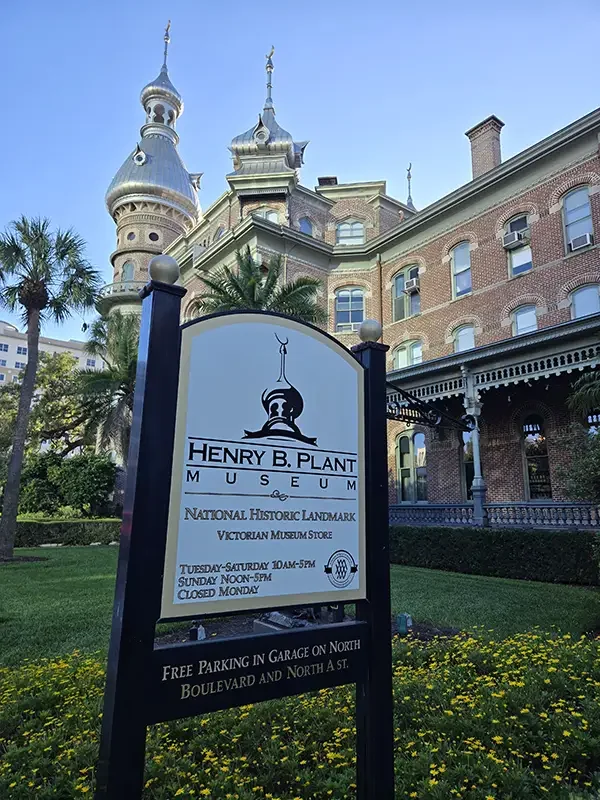
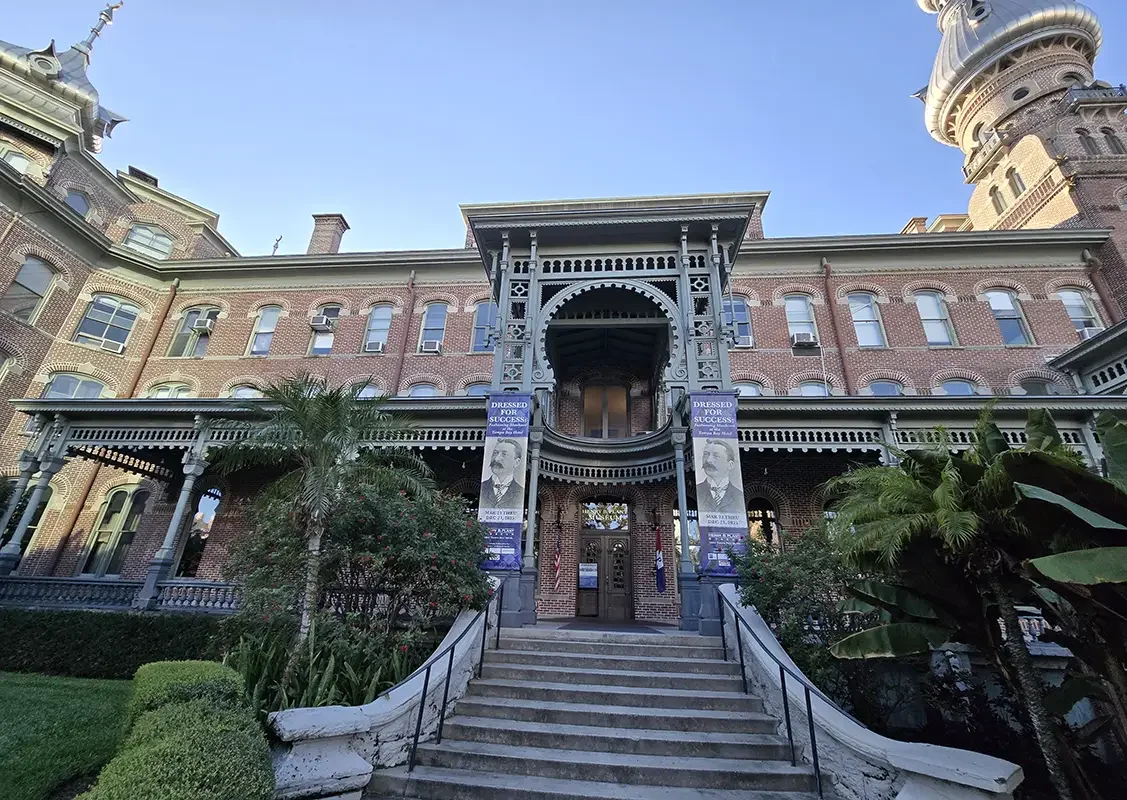
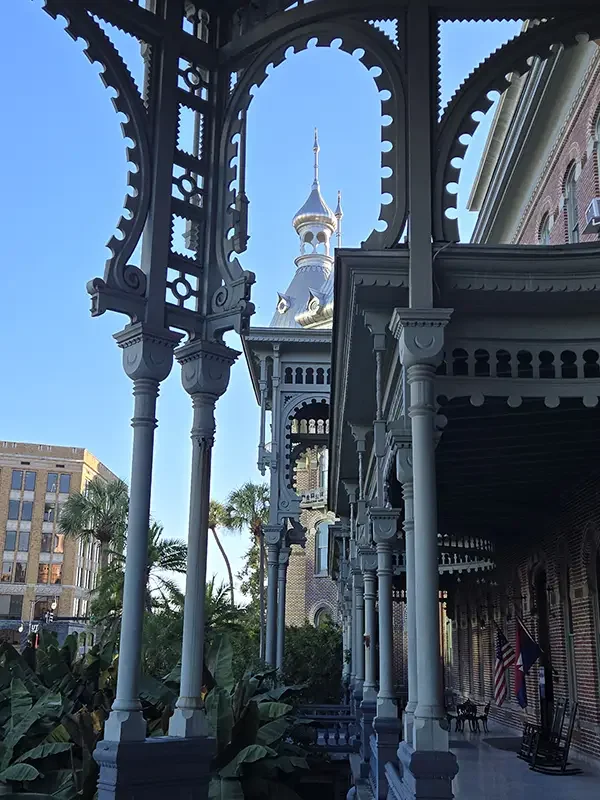
Whether you’re SUP-ing down the Hillsborough River or pausing for a coffee at the Oxford Exchange, it’s impossible to miss the distinctive minarets and domes of the former Tampa Bay Hotel. A striking relic of the Golden Age, the Moorish Revival landmark is now known as Plant Hall and forms part of the University of Tampa. Home to the Henry B. Plant Museum, the building offers visitors a vivid glimpse into Gilded Age luxury and the dawn of modern travel to Tampa Bay, by which point José Gaspar had long stopped terrorizing the bay area.
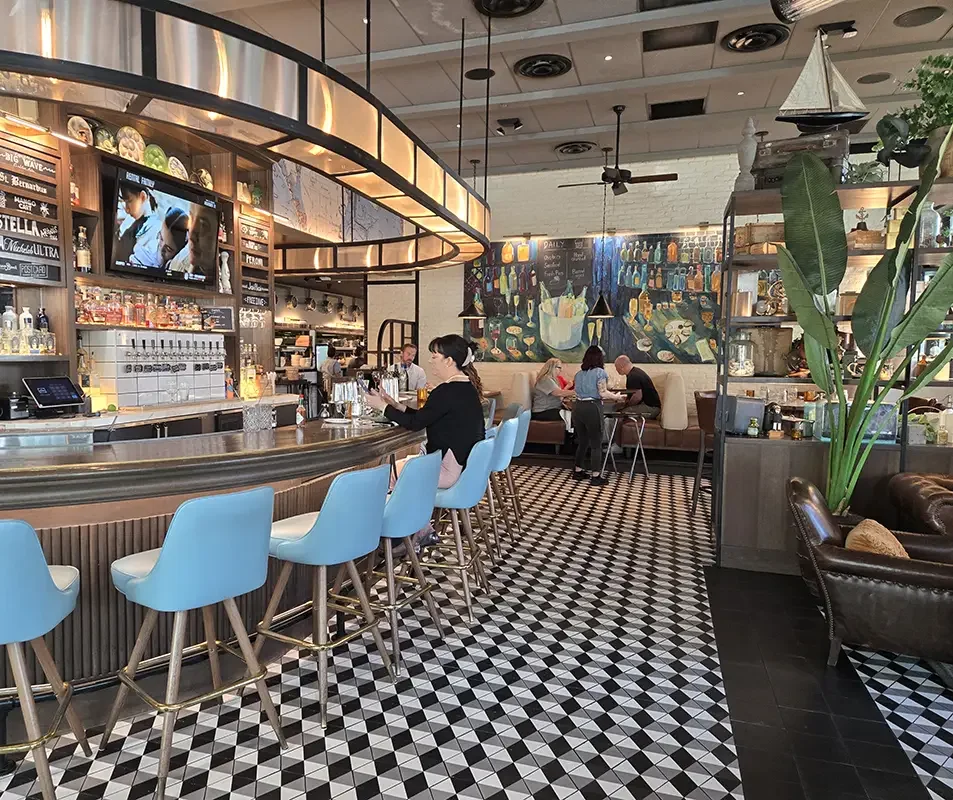

Back on land and dry, we ventured over for lunch at The Pearl in Tampa’s Water Street district. The restaurant blends coastal charm with modern design—white tiles, dark wood, and a bar that feels like the heartbeat of the room. The menu is a mix of elevated comfort food and fresh seafood. Craft beers flow from the taps, and the bartenders have a knack for recommending the perfect pairing. It’s the kind of place where you settle in for lunch and end up staying longer than planned.
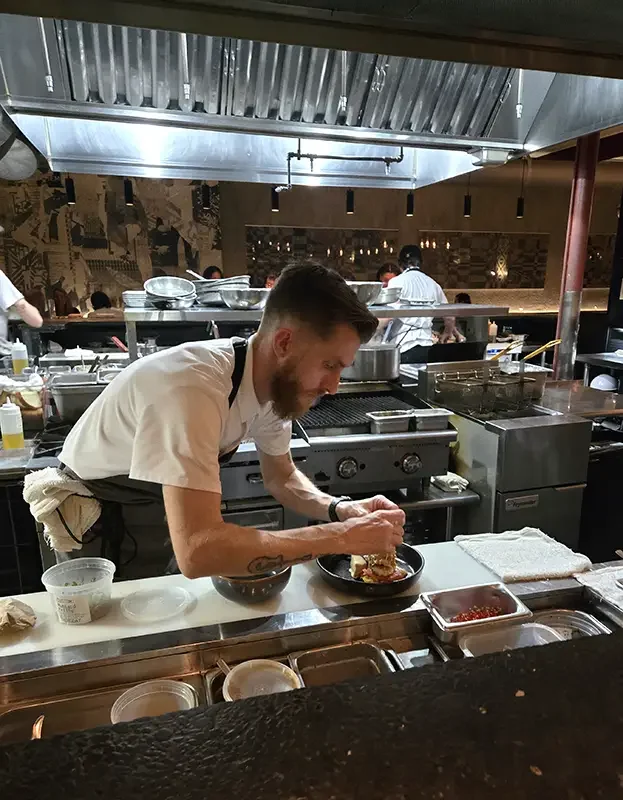
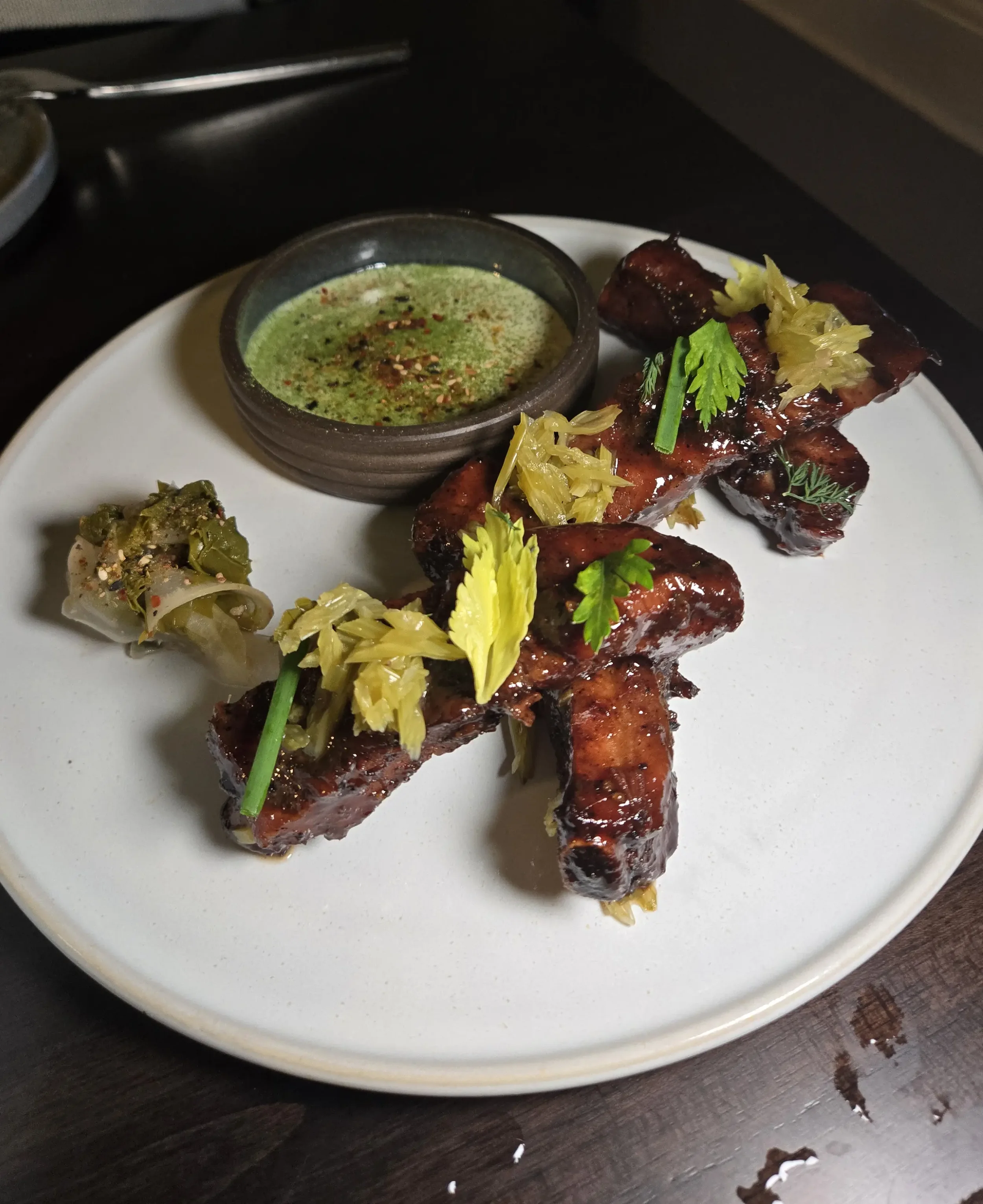
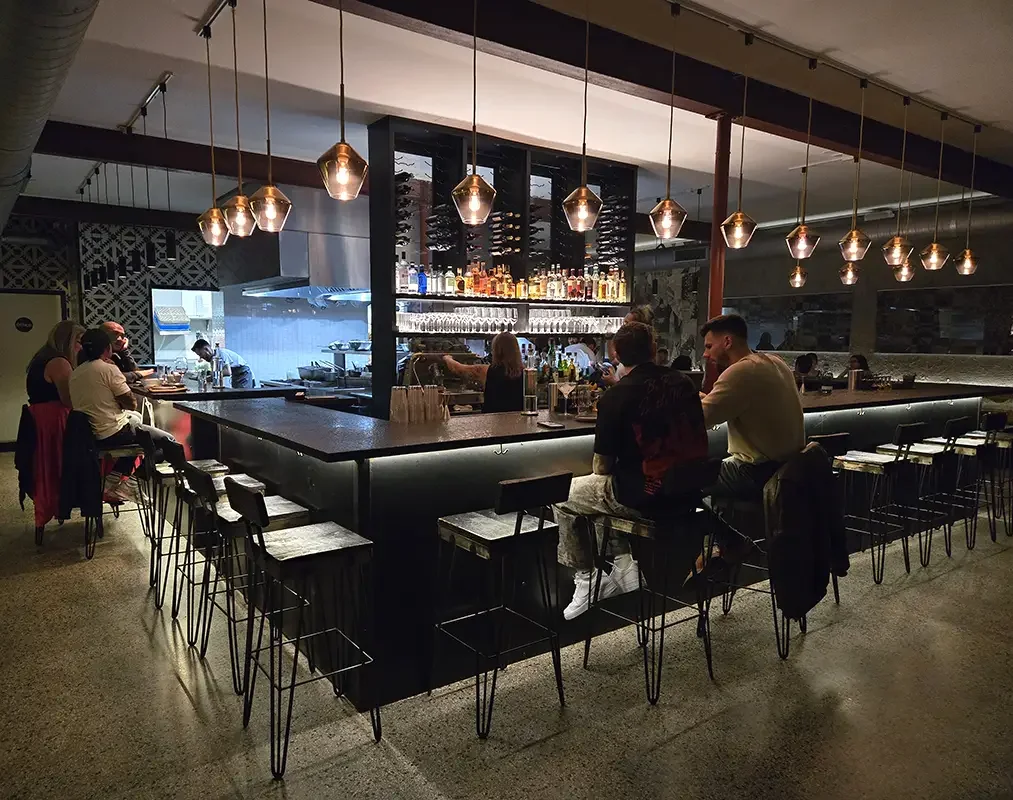
Later, we ventured out for dinner at the renowned Rooster & the Till in Seminole Heights—a restaurant that has become a touchstone for Tampa’s increasingly ambitious food scene. The space feels deliberately crafted, built with reclaimed materials and the kind of small, thoughtful details that signal a chef‑driven operation.
Service is attentive without hovering, and dishes arrive with the quiet confidence of a kitchen that knows exactly what it’s doing. The food here is often described with a kind of measured respect—bold in flavour, precise in execution, and memorable enough to pull you out of conversation for a moment. Many locals consider it one of the city’s essential dining rooms, not because it’s flashy, but because it delivers the rare combination of craft, consistency, and heart.
Two other standout stops in Tampa are Psomi for breakfast and Armature Works for lunch.
Psomi brings a genuine taste of Greece to Tampa. The restaurant is bright and airy, with all-white walls and soft blue accents, and a menu built around Mediterranean comfort food. Plates of spanakopita, Greek yoghurt drizzled with honey, and warm pastries land on tables shared by families, friends, and regulars who treat the place like a neighbourhood gathering spot. There’s an easy sense of community here, the kind that makes breakfast feel like something to linger over.
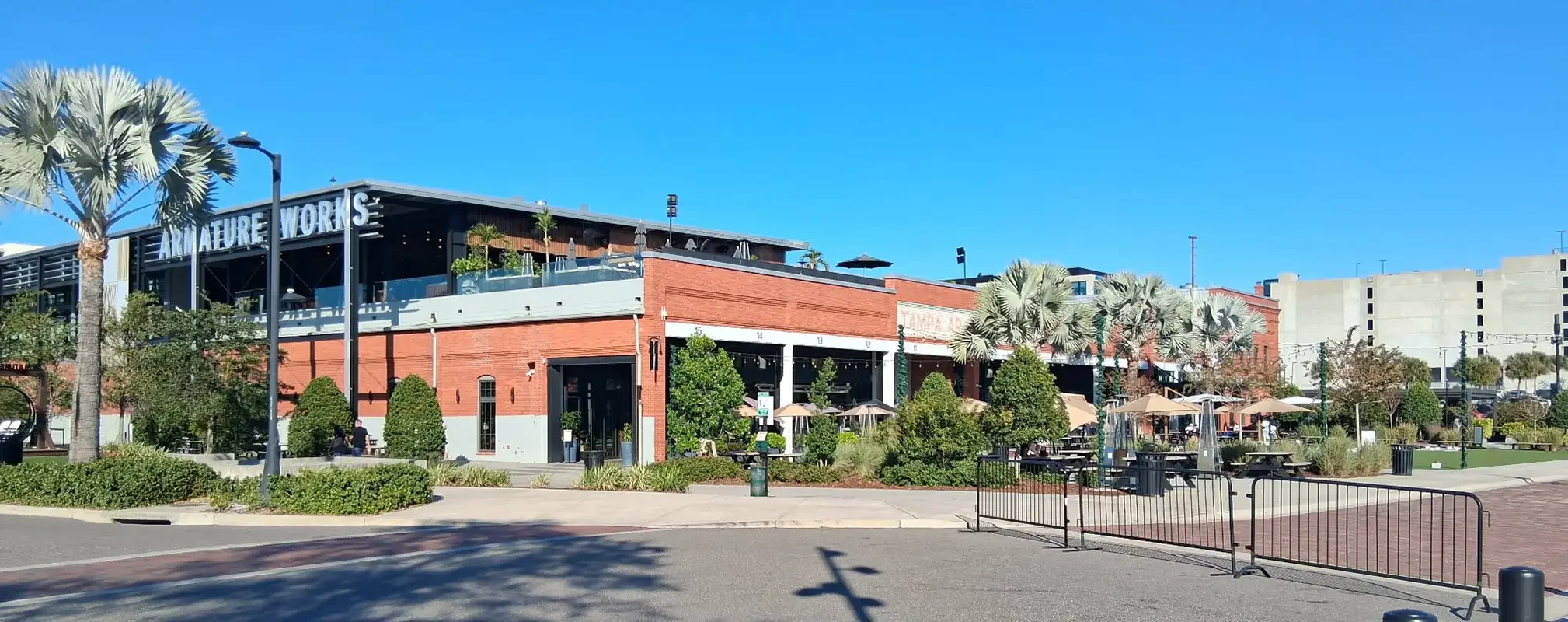
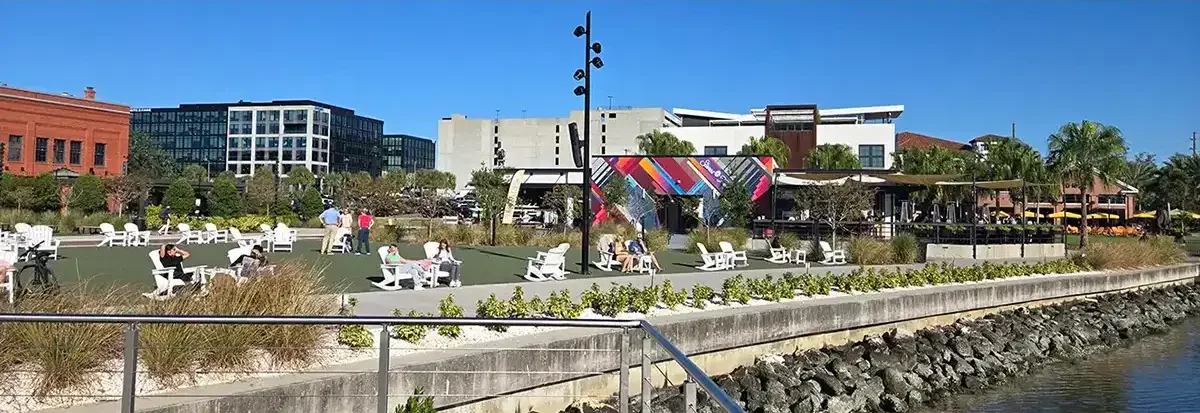
ABOVE: The former TECO streetcar warehouse, Armature Works, is now a mixed-use public space that includes restaurants, public markets, offices, event spaces, and an outdoor public space that overlooks the Hillsborough River.
Lunch at Armature Works offers a completely different rhythm. The restored streetcar warehouse turned food hall buzzes from the moment you walk in, with visitors drifting between stalls serving everything from sushi to barbecue to inventive sandwiches. Its industrial bones—exposed brick, steel beams, and soaring ceilings—give the space a strong sense of history, while the crowds and the sheer variety of food make it feel like the beating heart of modern Tampa.

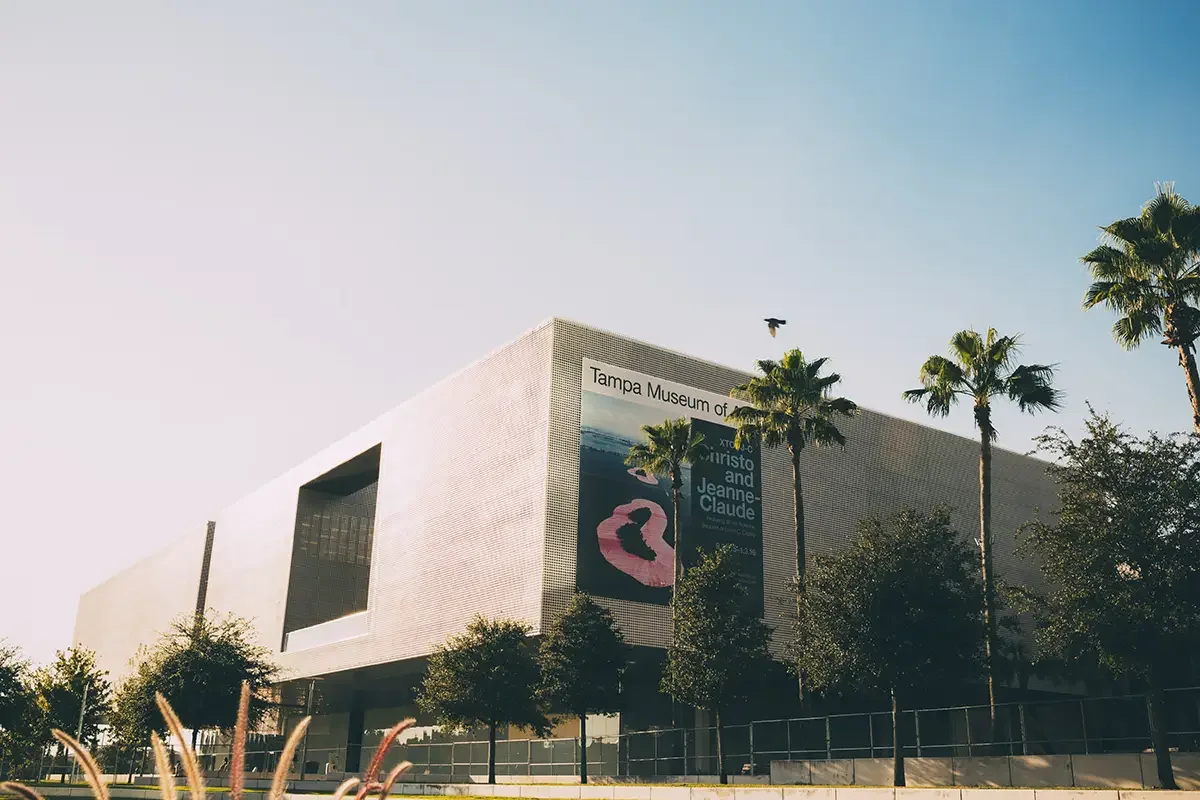
We stopped into the Tampa Museum of Art, and it offered a welcome change of pace from the city’s buzz. The building is a sleek, modern block right on the Riverwalk, and stepping inside feels like entering a quieter pocket of Tampa. The galleries move you through a mix of classical pieces, contemporary work, and rotating exhibitions that give the place a steady sense of discovery. It’s not overwhelming or pretentious—just well‑curated and easy to take in at your own pace.
What stayed with me was the setting. When you walk back outside, you’re immediately on the Riverwalk with the water sliding past and the skyline reflecting off it. People stroll by, joggers weave through, and the museum almost becomes part of the landscape. It’s the kind of stop that doesn’t take a whole afternoon, but leaves you glad you made the time. Well worth the visit!
“Tampa is a city that rewards curiosity. It’s a place where history and innovation coexist, where food tells the story of its people, and where the water is never far from view. ”
Whether you’re paddling at sunset, cheering with hockey fans on a packed streetcar, or enjoying a superb meal in one of its many remarkable restaurants, Tampa makes you slow down, look around, and discover a city that has quietly become one of the most compelling and beautiful destinations in America, not to mention the most desirable U.S. city to live in.
For more inspiration, visit VisitTampaBay.com, follow @VisitTampaBay, and explore the city through #UnlockTampaBay.
HEADER PHOTO: Courtesy Visit Tampa Bay