Explore St. Kitts through the food, farmers, chefs and local innovators preserving the island's traditions while shaping its culinary future. Along the way, discover a destination whose character runs far deeper than its beautiful beaches.
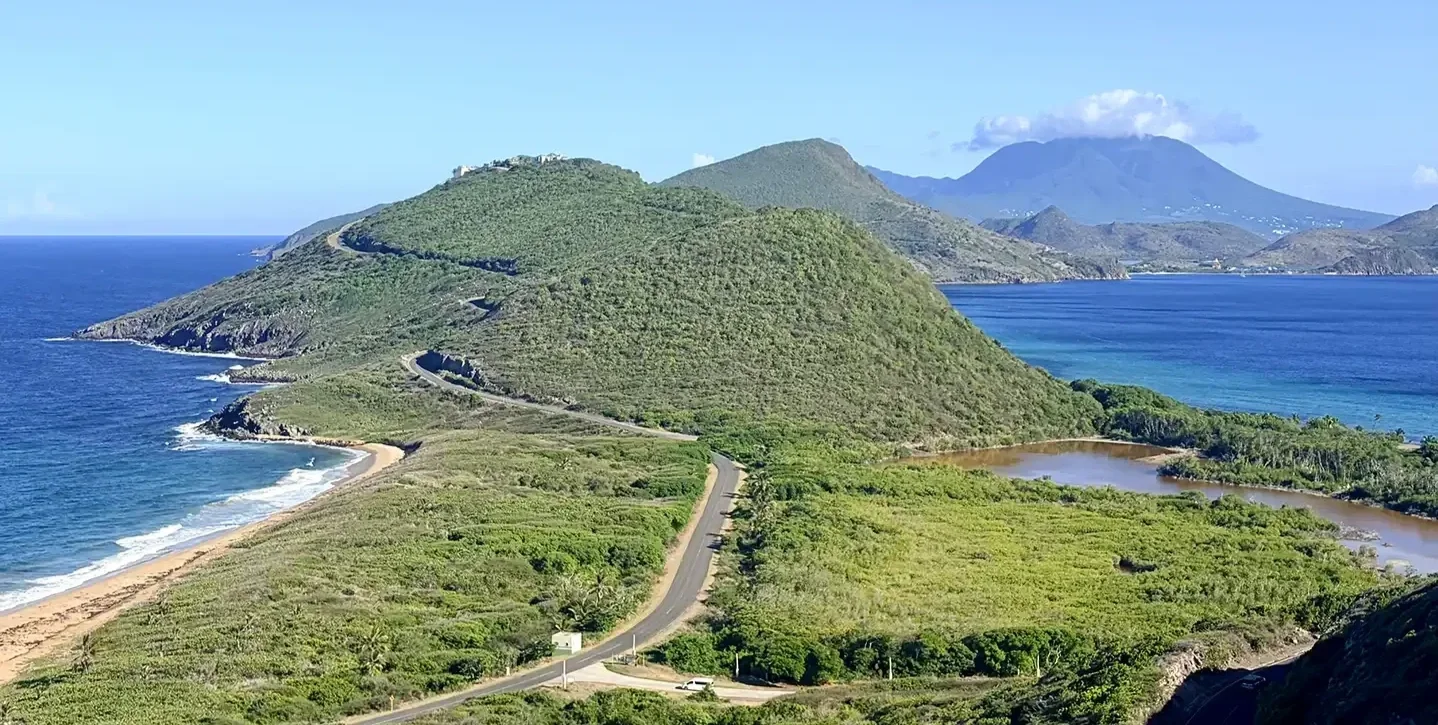
Table of Contents:
I knew St. Kitts was the smallest country in the Caribbean, yet I was surprised to see the entire island through my plane window. From monkeys to sugarcane and mangoes, many of its defining features have roots in their colonial past, yet locals reclaim them.
History has shaped St. Kitts in ways its people never chose, from the legacy of slavery and the sugar trade to the many cultures that call the island their home. Yet across its farms and restaurants, I found people transforming their history into creative endeavours and building a food culture that recognizes the past while inspiring pride.
Eat: The Past on a Plate
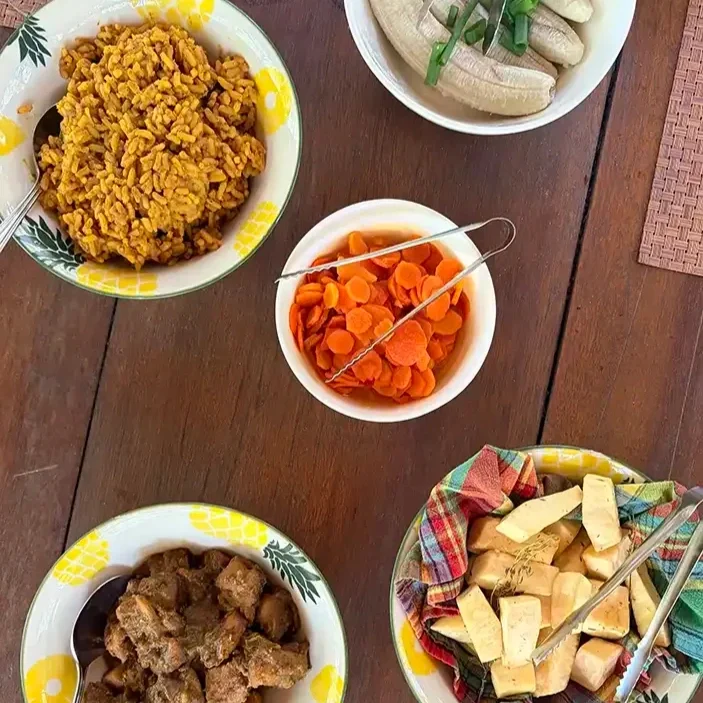
Our first day began with a breakfast at St. Kitts Marriott Beach Resort with Shariena Mills, the Marketing Manager. I ate a breakfast of yam and sweet potatoes, commonly called “ground provisions”, with johnnycake and salt fish.
Before slavery’s abolition in 1834, ground provisions were a breakfast necessity. These root vegetables were a reliable way to start the morning when the next meal was uncertain. Even 192 years later, ground provisions remain a staple in Kittitian breakfasts.
“We took necessity and made our national dishes out of it”
Afterwards, I went back for a second serving. The dishes in front of me felt anything but ordinary.
From Necessity to Creativity: The Farms Shaping the Future
Gideon Force Organic Farms: The Faces Behind the Food
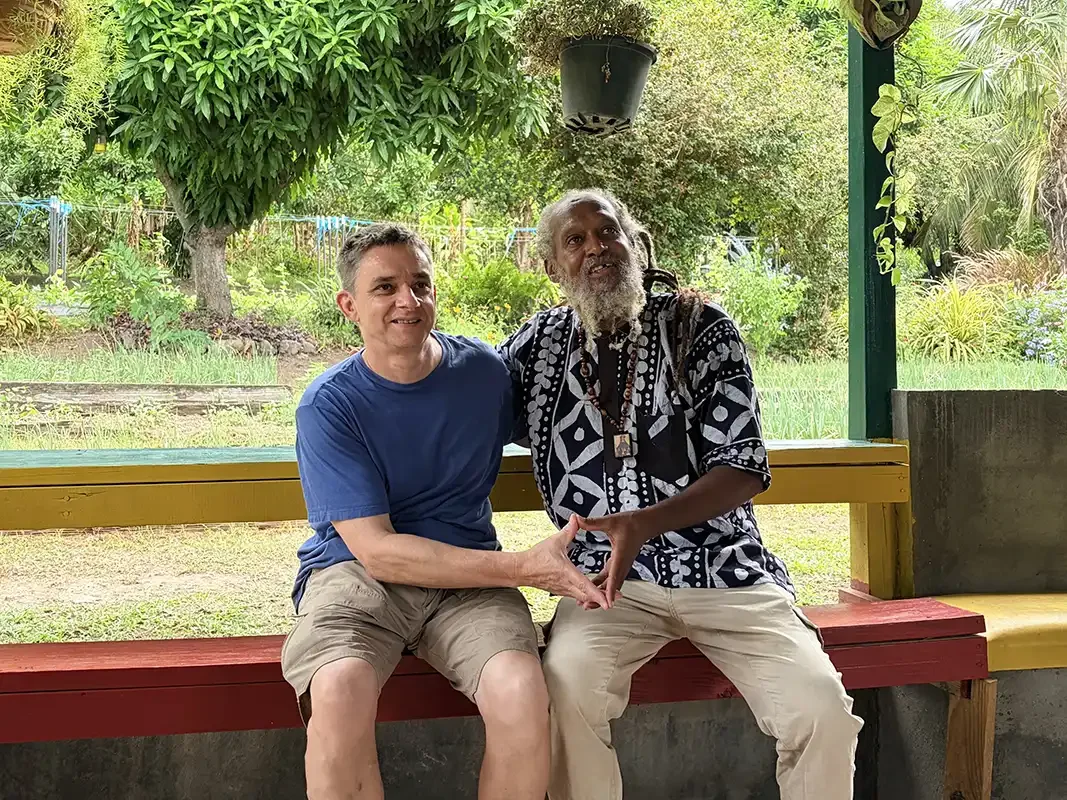
ABOVE: Marriott Chef Christophe Lepard with the President of Gideon Farms, one of his main suppliers.
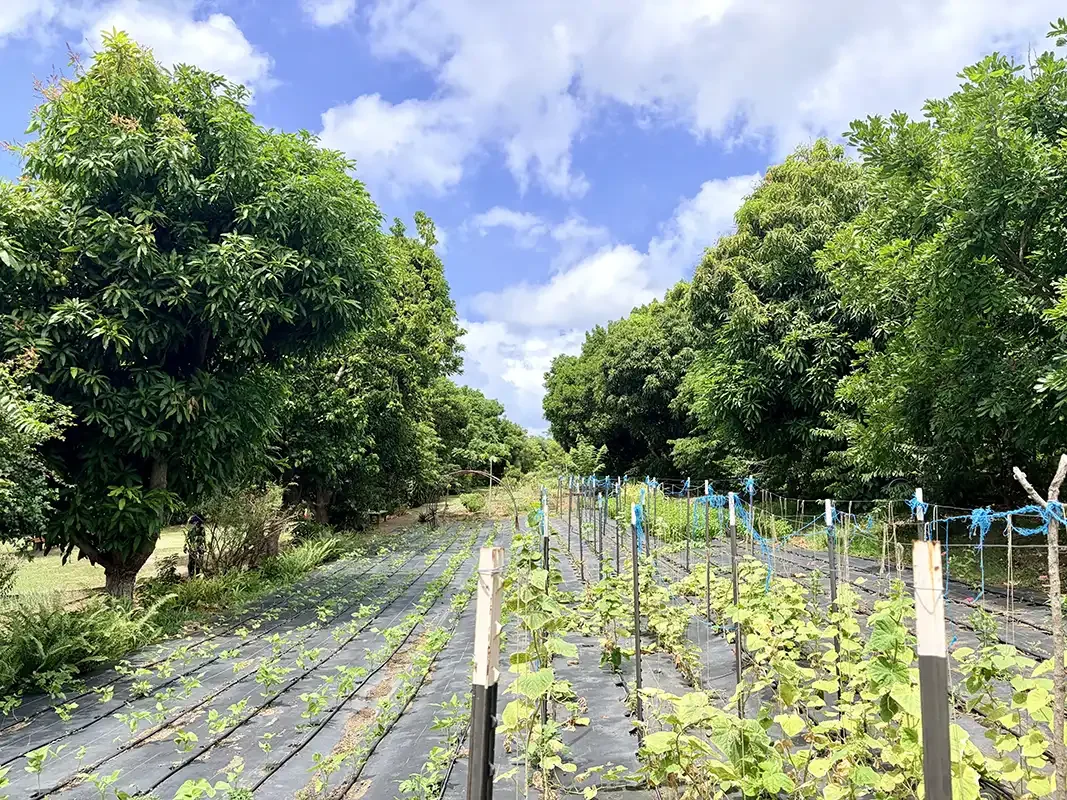
We began exploring Kittitian agriculture at Gideon Force Organic Farms. This organic collective is driven by its passion for its community. “We don’t want to do it for money. We care about people’s health,” they eagerly told me.
Gideon prioritizes the farm’s beauty to inspire youth to get involved. Butterflies swarm wildflowers, and carefully organized patches of fruit trees line the paths. However, like farms across the island, Gideon is plagued by a small but mighty fruit predator, the monkey. The French initially imported these cunning creatures as pets. They now outnumber the human population, and their appetites interfere with farming activities. “I respect farmers because if you don’t have the guts to do it, it's easy to give up. Monkeys can tear it apart, and that’s hard when you have a family to feed”, one of the farmers told us.
Despite these challenges, Gideon still sends 30–40 percent of its produce to Chef Christophe at Marriott, supplies food to local schools, and is building a classroom where people who did not complete their formal education can learn about African history and organic farming. The tour ended in the best way possible: by drinking fresh coconuts straight from the trees.
Liamuiga Farms: An Evolving Mountain Farm
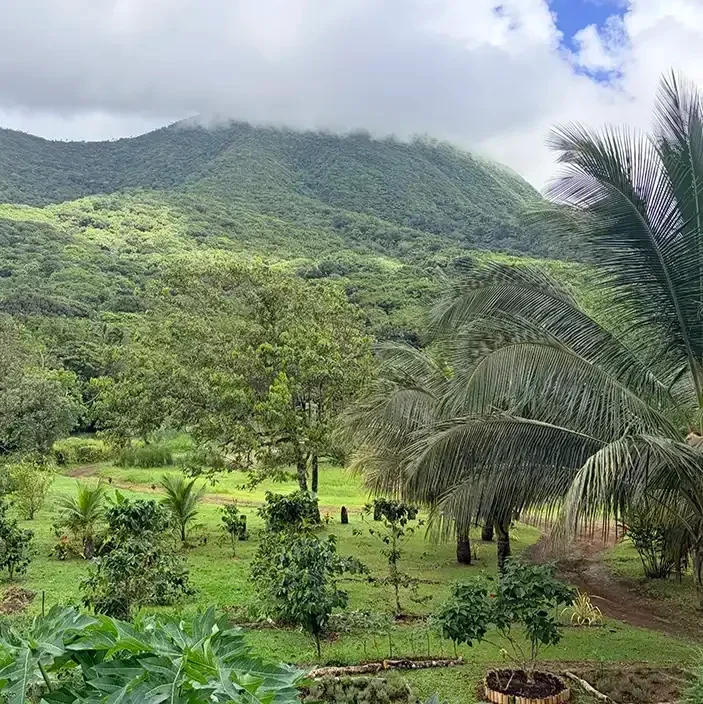
To avoid the French, the British created military roads through the island's dense forests. Today, that same road is the gateway to Liamuiga Natural Farms (LNF).
To protect the forest, only farms established under British rule can operate. Intertwined with the trees are the remnants of the highest elevation plantation on the island. Several centuries-old bricks lay scattered on the ground, yet LNF has built something new among the ruins. Just beyond the ruins, LNF's farm begins, with rows of arabica coffee, banana trees, flowers, breadfruit and a variety of other local fruits.
Our tour guide, Tiem, worked in film with one of Bob Marley’s sons, who owned a coffee chain. Tiem initially wanted to bring that chain to St. Kitts, but realized he could start one himself. This led him to LNF, the only working coffee farm in St. Kitts. He spent his first night at LNF in a tent. Amidst the late-night buzz of the wildlife, he could hear himself think for the first time.
Visitors can experience the same peace at the on-site cabin. The balcony overlooks Mount Liamuiga, with clouds reflecting over the dark green tree canopy. In front is a flourishing garden where guests can harvest fresh produce to prepare in the cabin kitchen.
After the tour, we experienced the fruits of their labour firsthand. Breadfruit is a starchy, almost potato-like fruit, but when fried and paired with basil and thyme, the crunchy exterior complemented the fluffy interior with a light, herby flavour. Our group inhaled the pumpkin butter-infused muffins. To top it all off, their coffee ice cream struck the perfect balance between light, bitter and creamy.
Passion Flower Farms: A vision for the future
The St. Kitts Beekeepers Co-operative Society is developing the first Caribbean api-theme park. Passion Flower Farms is entering its second development phase, and hopes to transform fear of bees into appreciation. Visitors can learn about the art of beekeeping through informational displays and purchase locally made bee products.
Although the farm is set to soft-open in November, SKBC has already been recognized as a leading example of best environmental practices and will be receiving an award at the House of Lords in London.
St. Kitts on a Plate: Our Favourite Food Spots
These restaurants are putting farm produce to good use, telling the other half of St. Kitts’ food story.
A meal for adventure
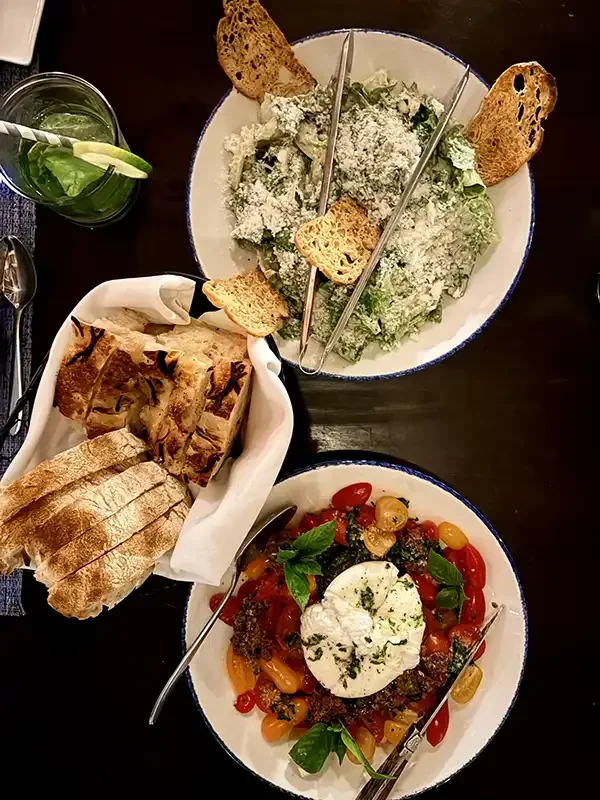
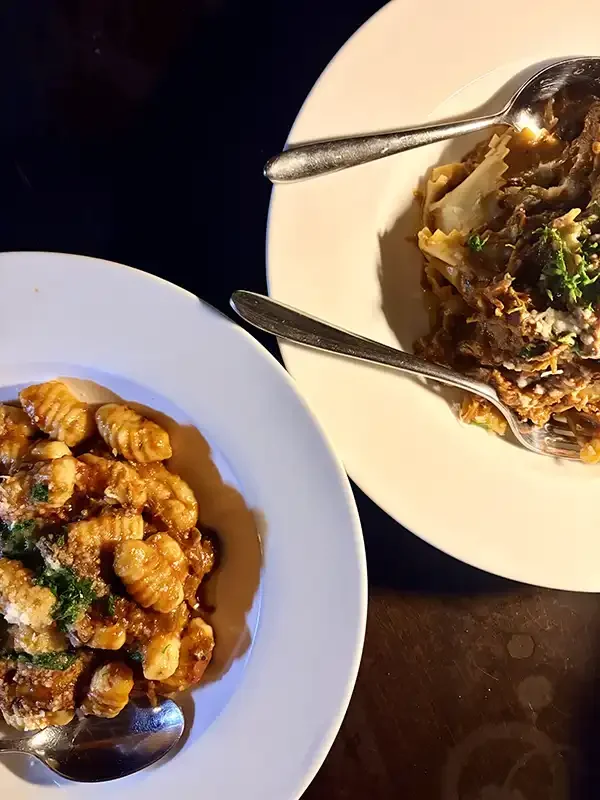
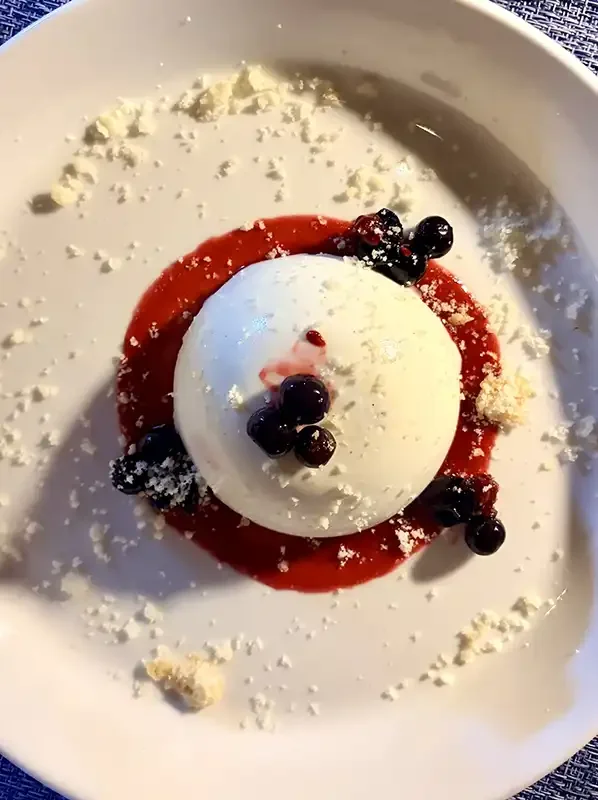
After pulling off to the side on a dark mountain road, our driver explained that Orchid Bay has its own chauffeur to escort guests to the restaurant. Puzzled at first, the reason became clear as the self-proclaimed “best driver in St. Kitts” navigated us down a steep, rocky road. For the focaccia, handmade potato gnocchi and oxtail ragu, and roasted butternut squash agnolotti, I would do it all again.
A meal with a view
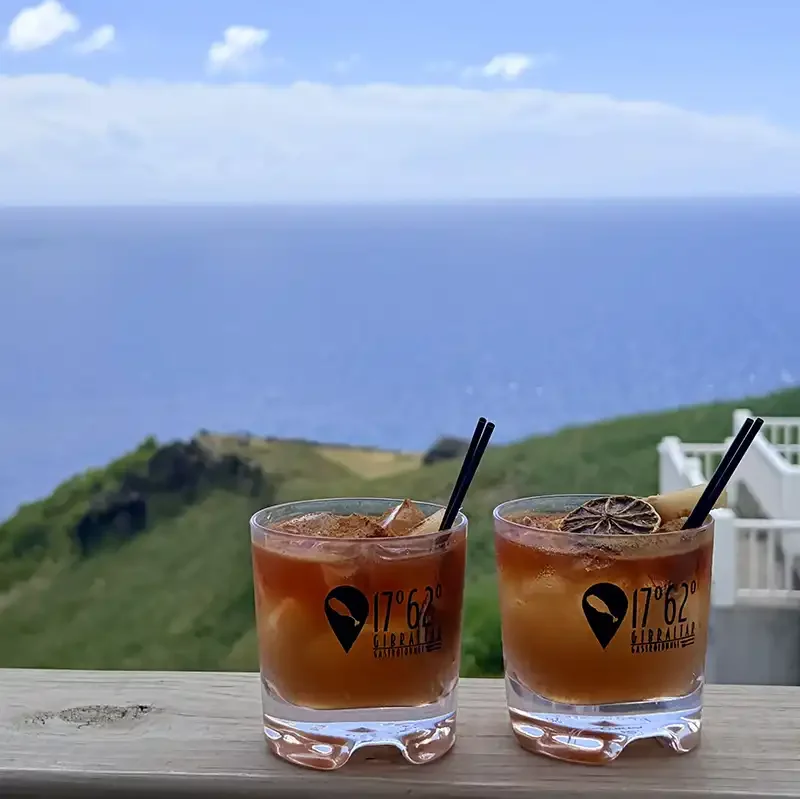
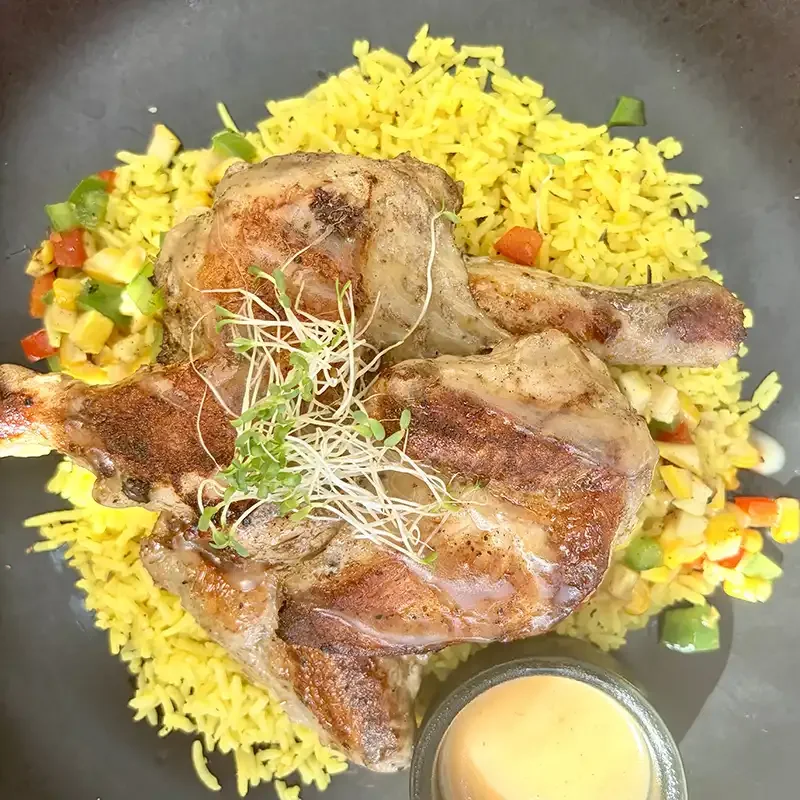
After working for Gordon Ramsey and a Top Chef Judge, Owner and Chef O’Keefe Marshall visited his dad in St. Kitts. He noticed the high quality of life and sensed that peace and paradise go a long way. He relocated here in 2014, and his restaurant is known for some of the best views and food.
1762 Gibraltar is an ode to the flavours and culture that drew Chef Marshall to its shores. The restaurant smokes its grilled chicken using bricks from the fortress and garnishes its cocktails with sugarcane.
A local treat
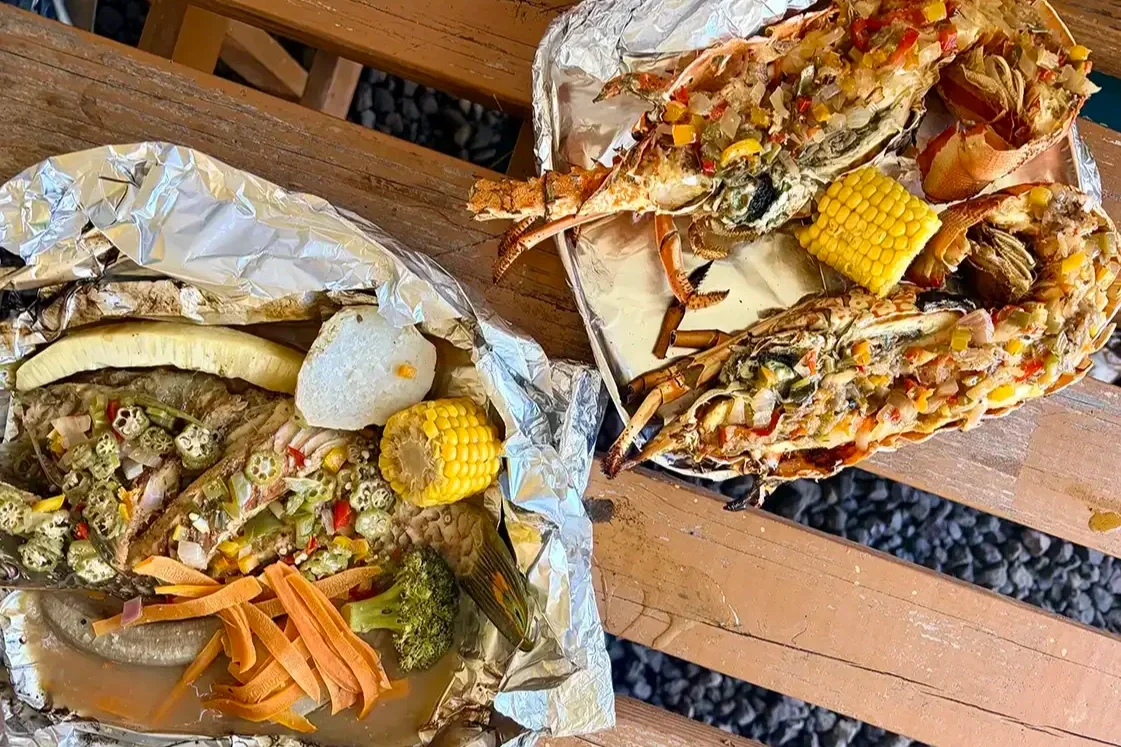
Locals rave about the seafood at Coconut Tree, which comes with ground provisions, okra, and a variety of vegetables. The portions are massive, and the lobster is fresh and buttery.
A barbecue meal at its finest
Reggae Beach Bar is on Cockleshell Bay overlooking the nearby island of Nevis. The menu features grilled lobster, meats, and fish, alongside a buffet of ground provisions and pumpkin fritters. The mango colada was one of my favourite drinks I had during my visit.
Beyond the Plate: A landscape that holds its history
St. Kitts by Jeep
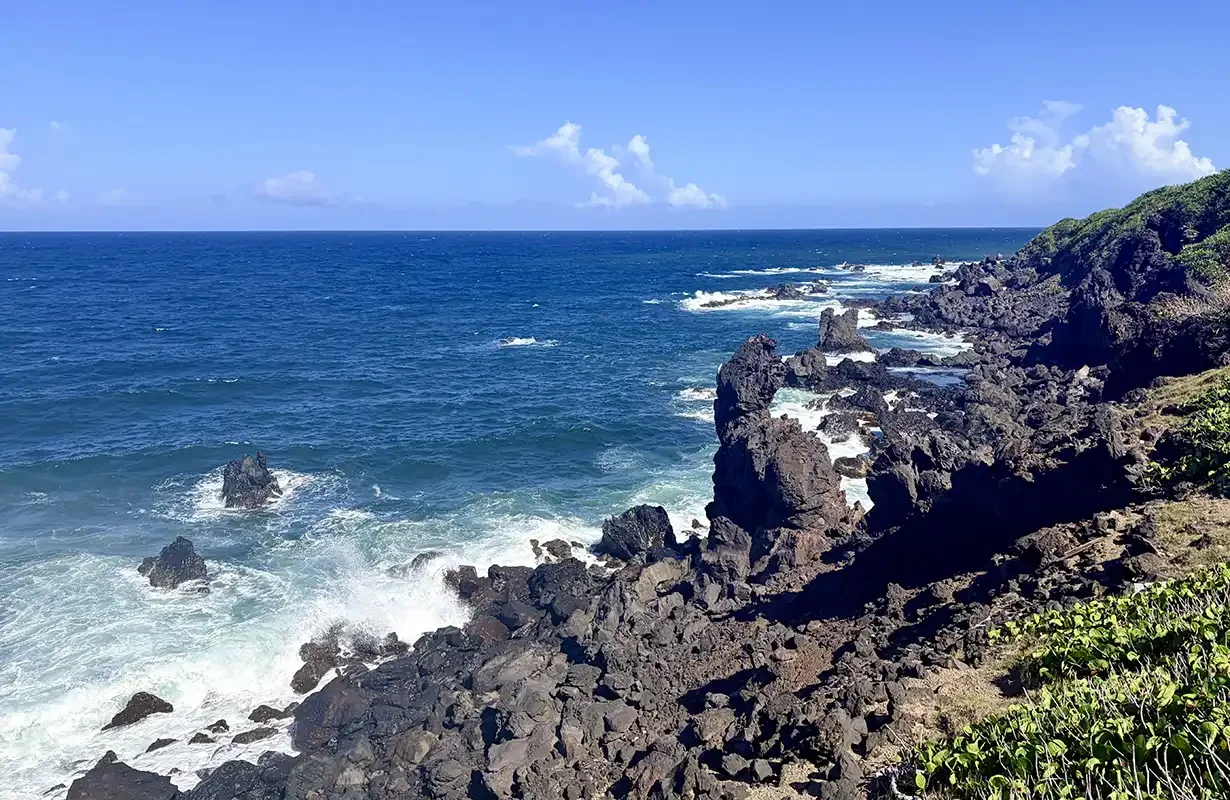
To traverse rugged coastlines, abandoned plantations, and mountain roads, Greg from Greg’s Safaris is the perfect man for the job. Following the abolition of slavery, his ancestors travelled from Portugal to St. Kitts as indentured servants, alongside many cultures that have merged in the Caribbean. When I asked him how growing up in St. Kitts and being Portuguese influenced him, he said: “It doesn’t. And that’s the beautiful thing about the Caribbean”.
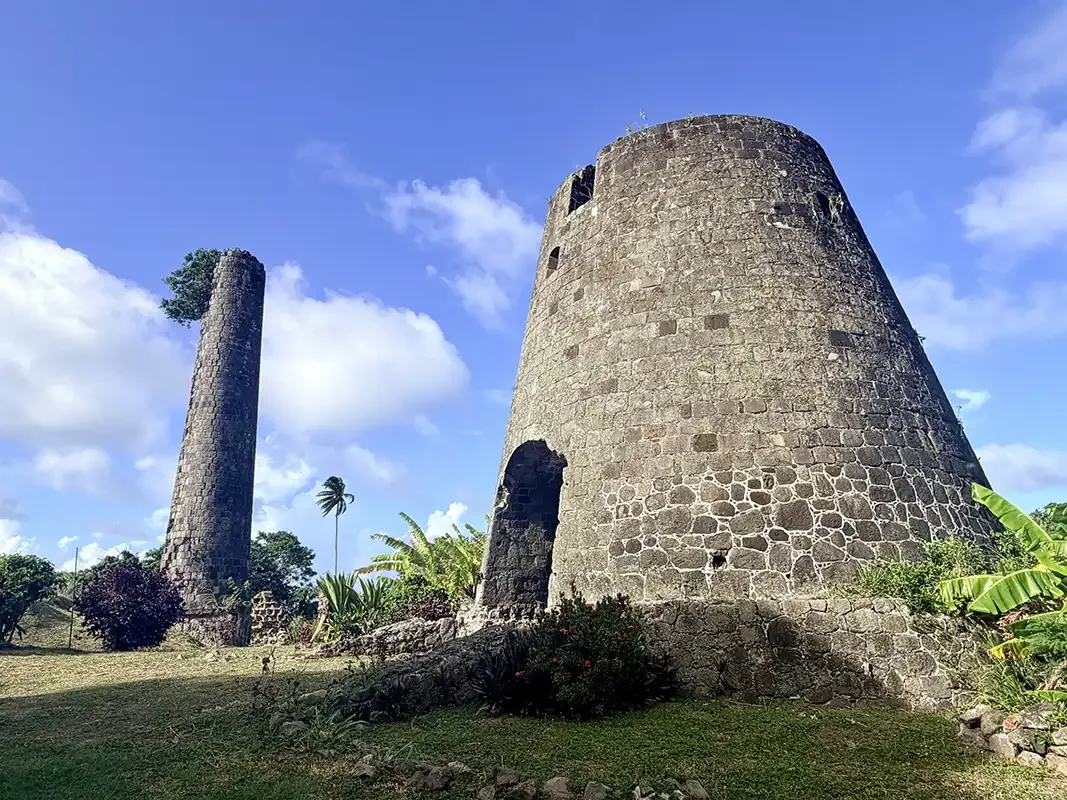
While looking out the window, I was taken aback by a dilapidated sugar mill. Then I saw another. And another. The island has 68 sugar estates, equivalent to one per square mile. The British considered St. Kitts one of their wealthiest islands because of their successful sugar production. However, the industry closed in 2005 due to the introduction of beet sugar. It’s unsettling to see the symbols of exploitation fall into disarray, especially when these events permanently altered the Caribbean. Nature reclaims some of these plantations, while others have unexpected caretakers.
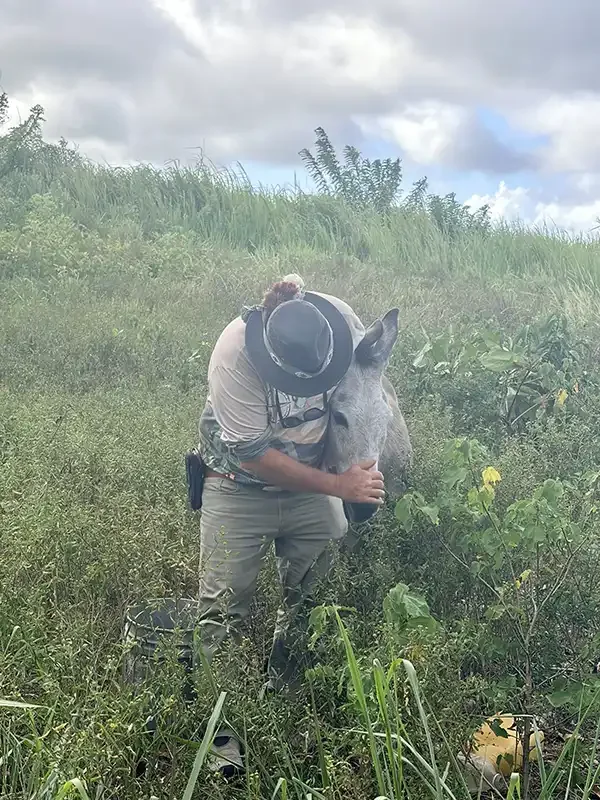
We heard this caretaker before we saw him. His name is Abey, the resident donkey of a 17th-century sugar plantation. He shares a close bond with Greg and recognizes the sound of his jeep. Although Abey's plantation is technically government-owned, locals can occupy the land without paying taxes as long as they use it for the public good.
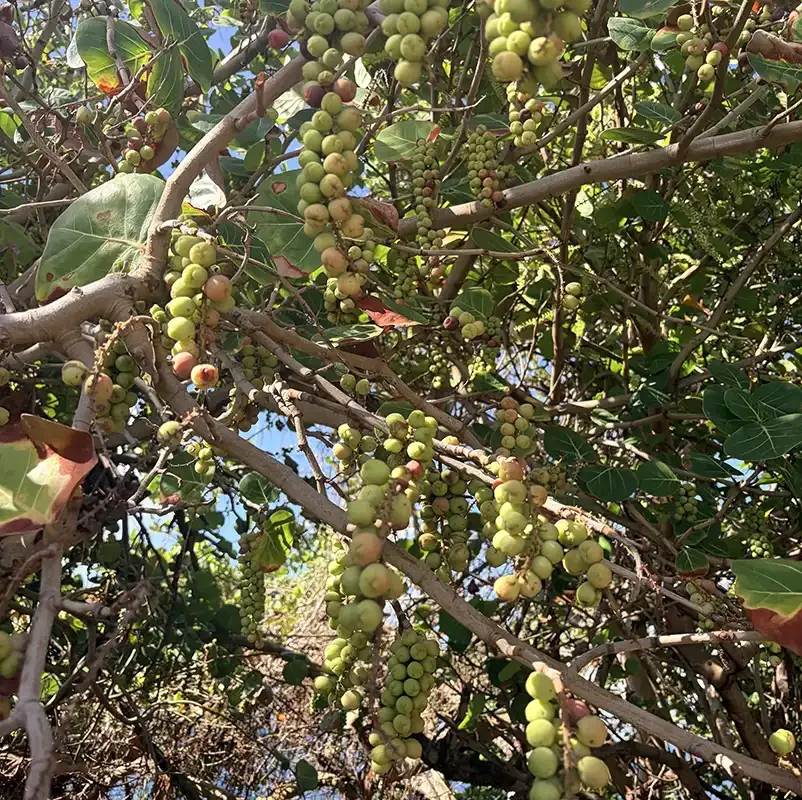
Throughout the afternoon, Greg plucked fruit straight from the branches. Overlooking an ocean cliff, a cluster of grapes dangled from a tree. These sea grapes are infused with the salty taste of the ocean breeze. We drove past villages where locals “limed”, a Caribbean tradition of relaxing at will. These villages are simple and humble, yet offer stunning coastal views.
We then drove up to a mountain viewpoint. At the start of the road, Greg stopped the jeep so we could take in the mountain air. Insects sang from the trees, and I thought I felt monkeys’ eyes on me, although I never saw them.
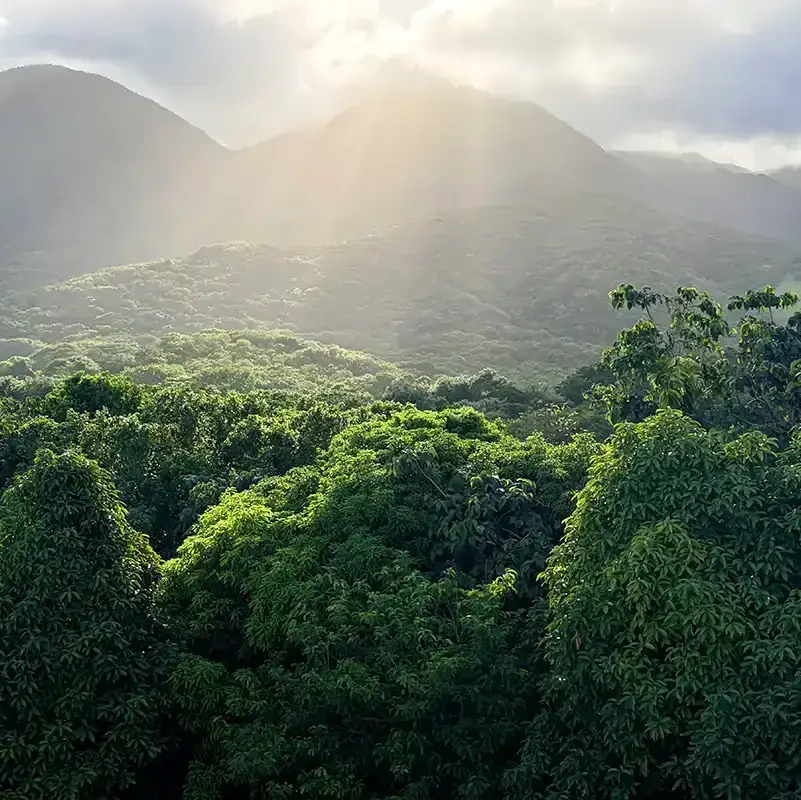
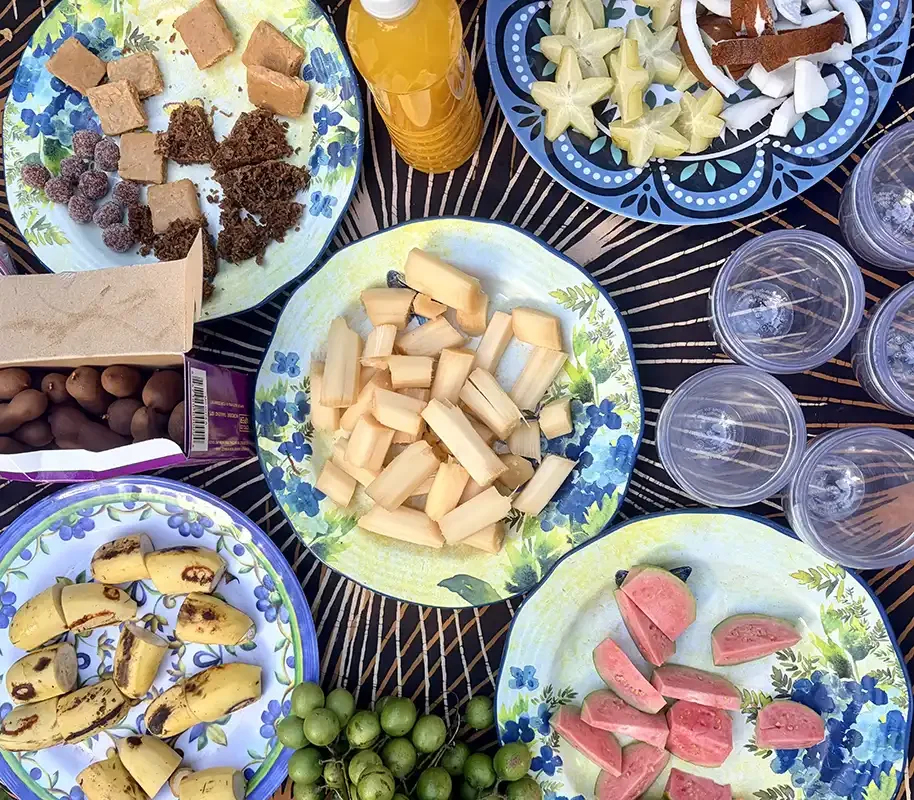
We climbed higher towards our final stop of the tour. The golden-hour sun rays split over the mountain, and Greg eagerly prepared a spread of local fruits and mango juice for us. Anyone who thinks fruit doesn't qualify as dessert has never tasted Greg's picnic.
Brimstone Hill
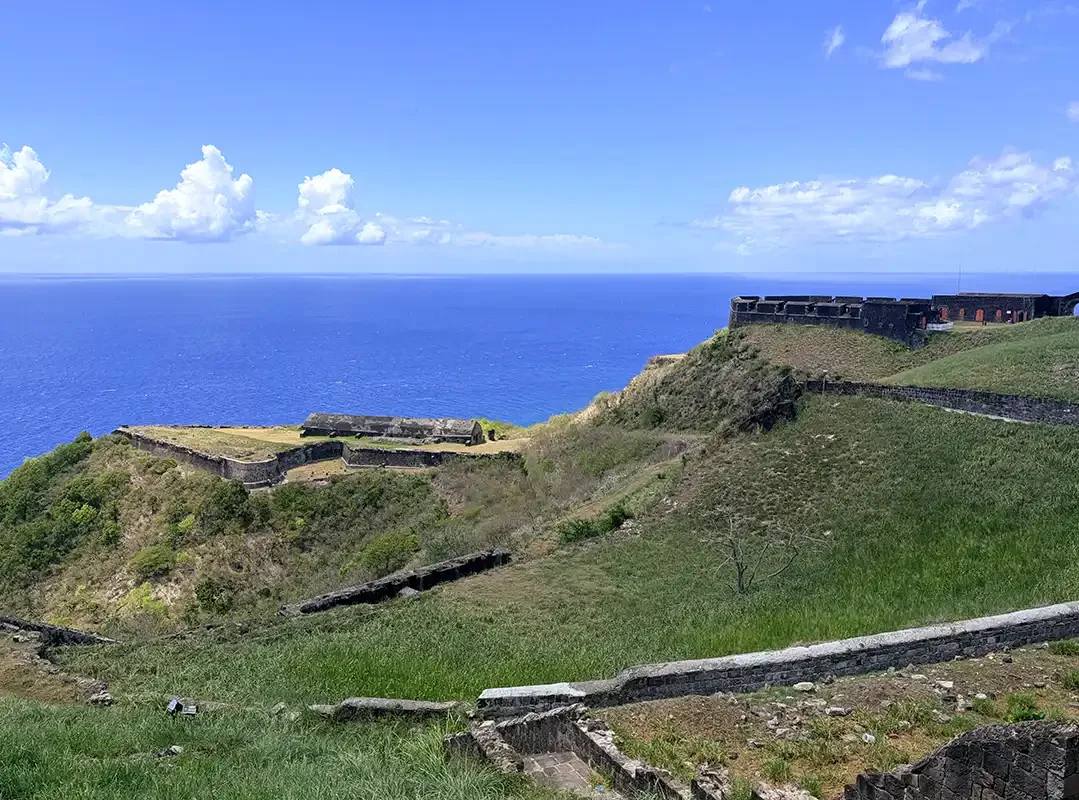
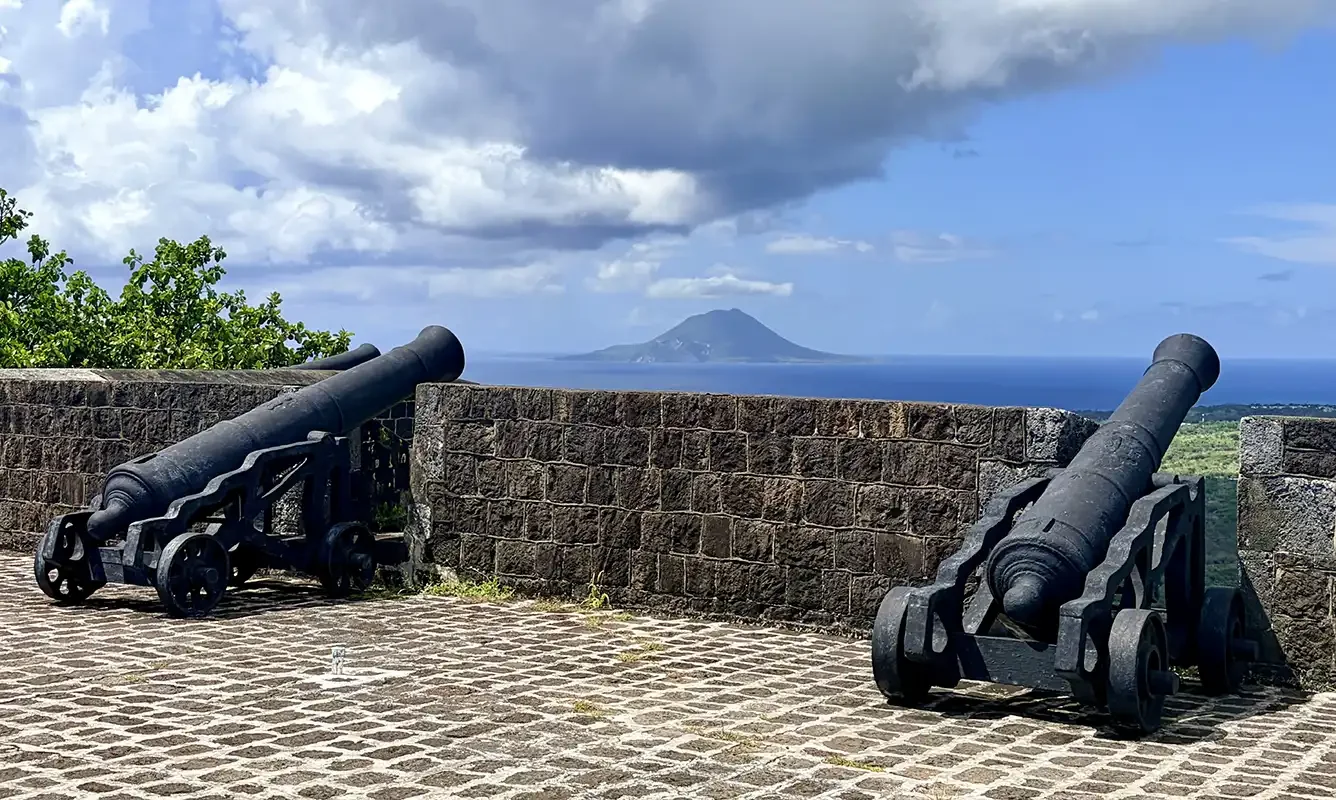
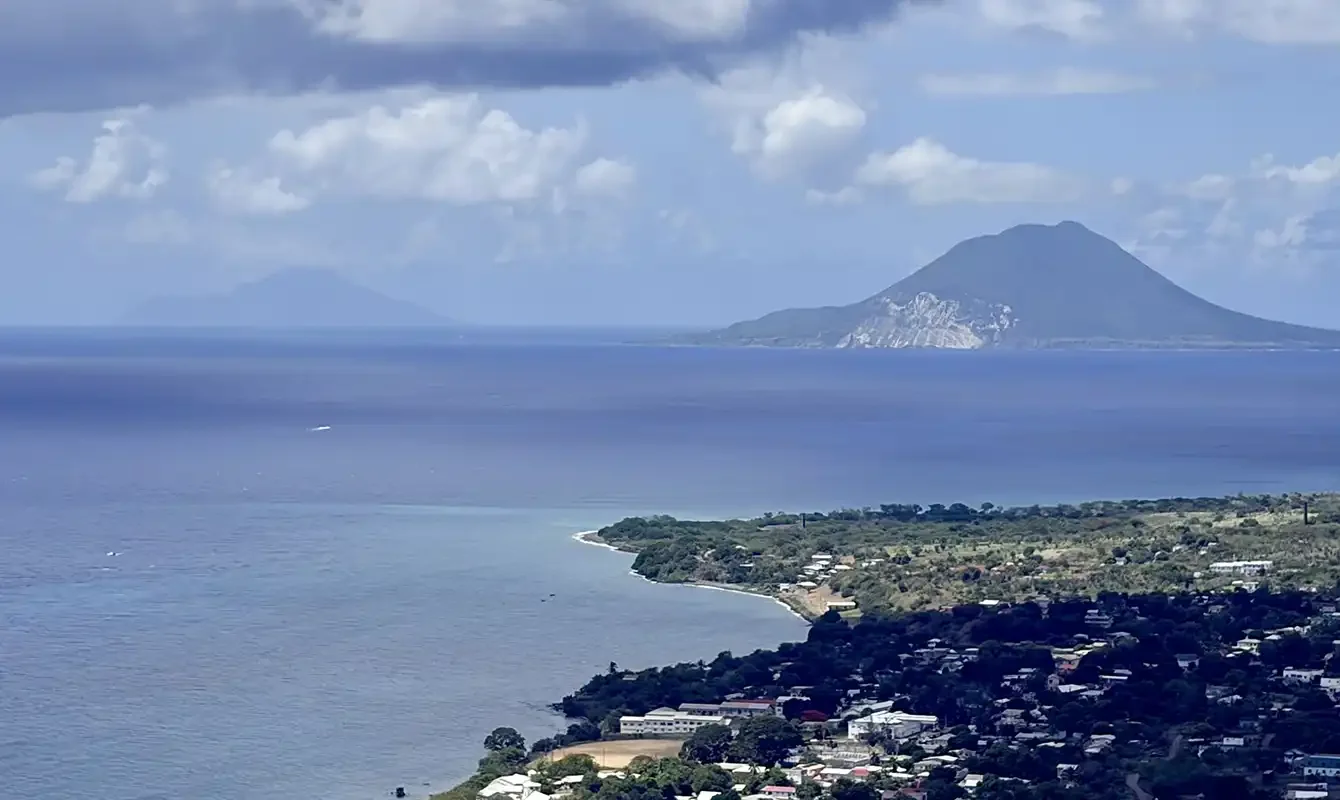
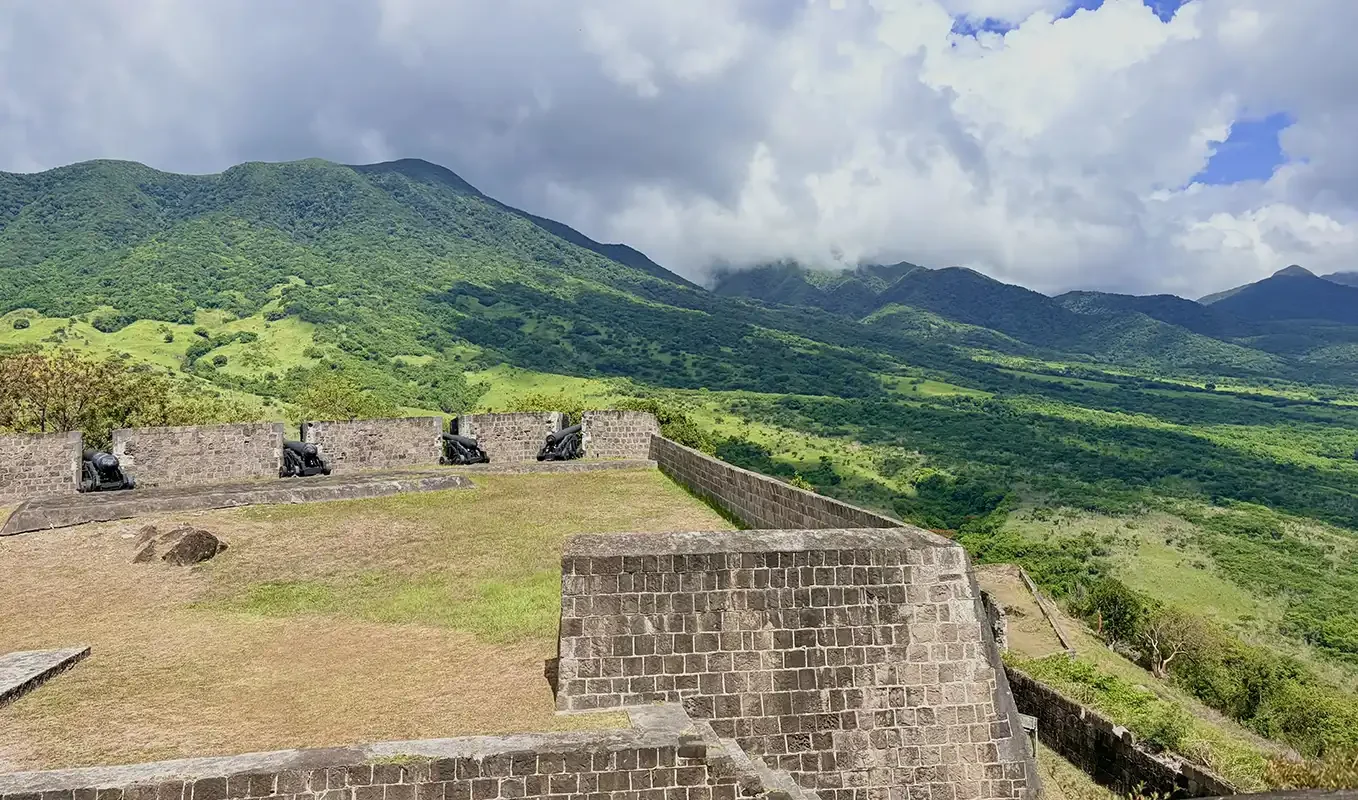
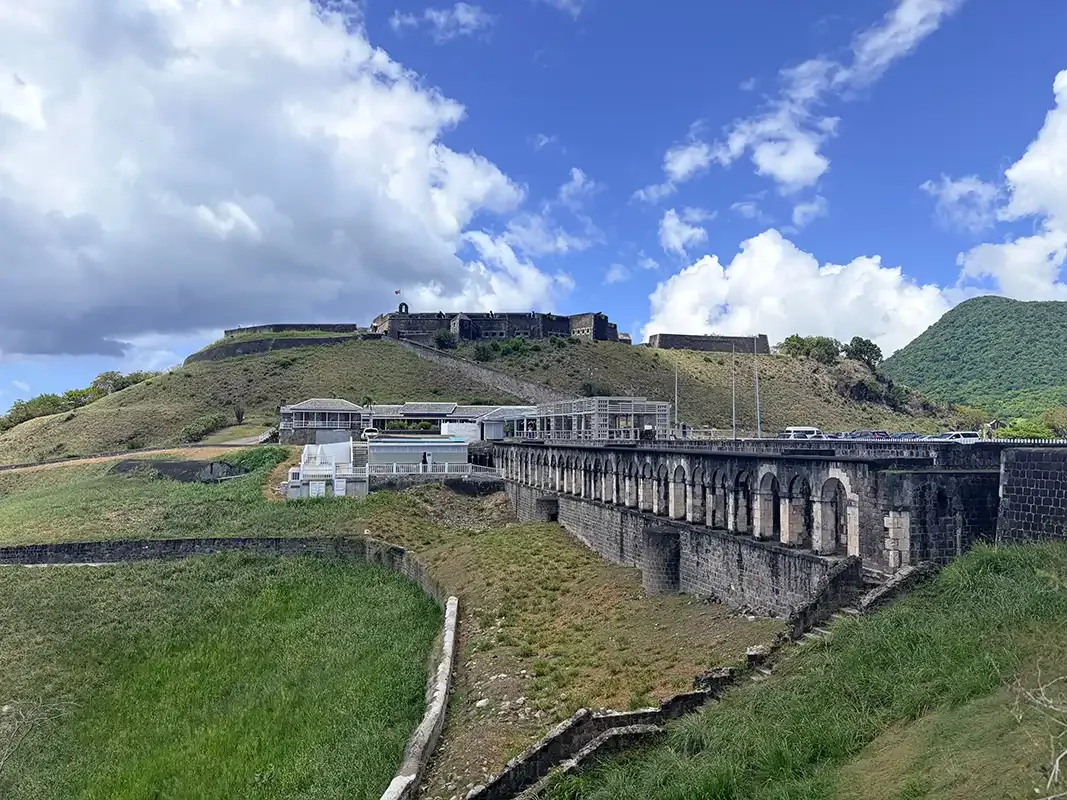
This UNESCO World Heritage Site was constructed between 1690 and 1790, and the fortress is nearly 800 feet high. While the British used this viewpoint to watch for attacking ships, we used it as a photo spot, with impressive views of the six surrounding islands.
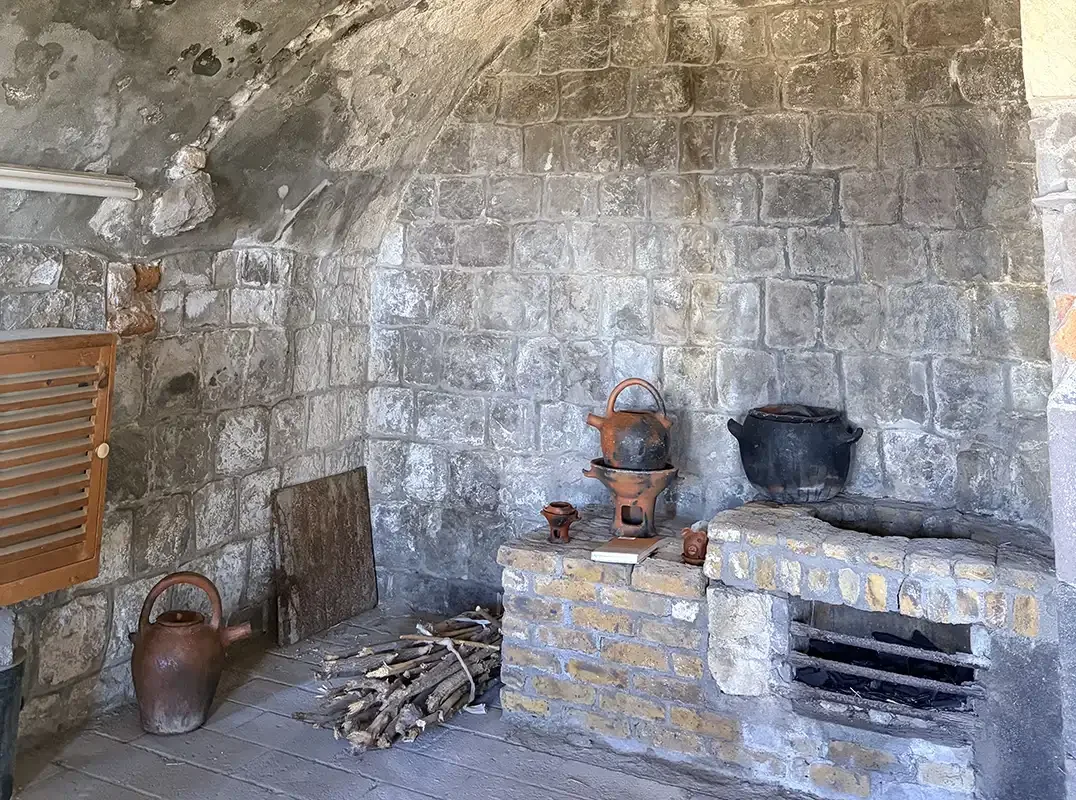
Our guide's grandfather once served as gatekeeper of the Fortress, and by coincidence, today our guide doubles as the general manager. He led us into the old kitchen where he explained how the enslaved people were cooks but only permitted to eat the less desirable cuts of meat. This laid the foundation for iconic Caribbean dishes such as oxtail and cook-up. The ceiling is still stained black today from the smoke.
From sugarcane to spirits
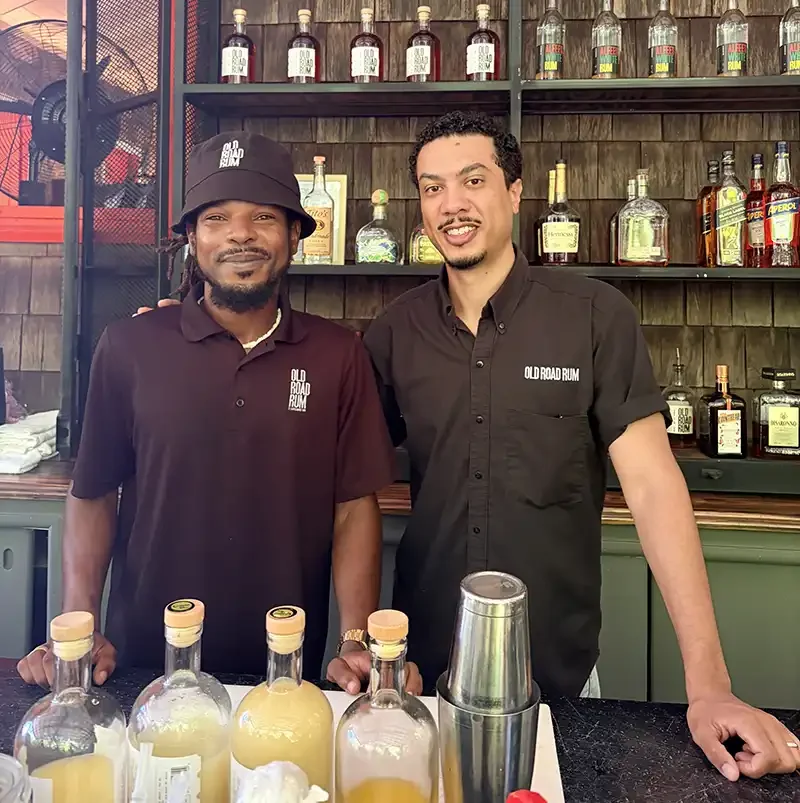
ABOVE: Our tour guide Kevis with Jack Widdowson at the Old Road Rum cocktail bar.
Wingfield Estate and Old Road Distillery
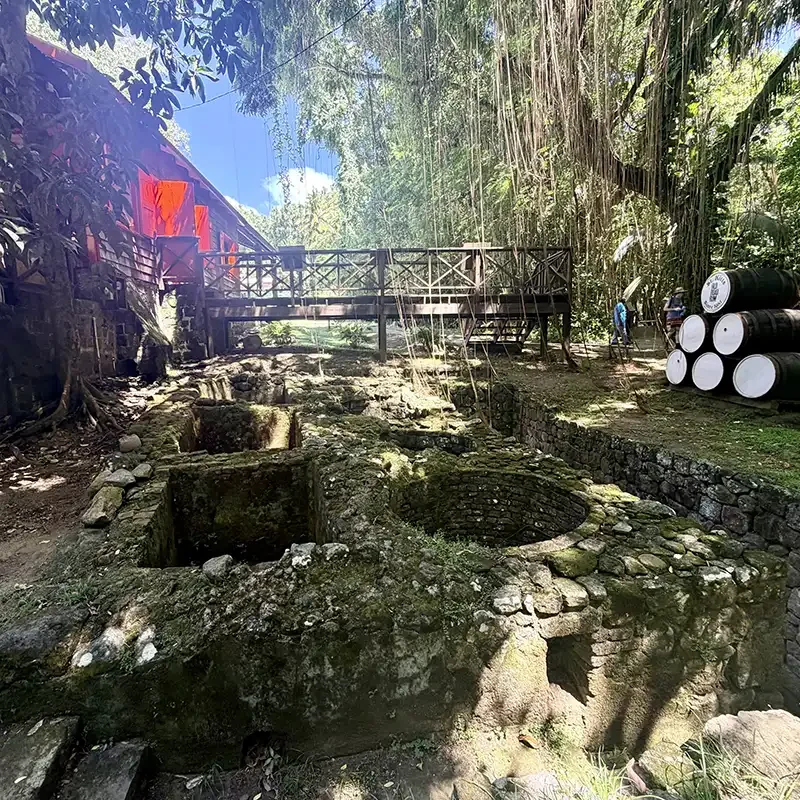
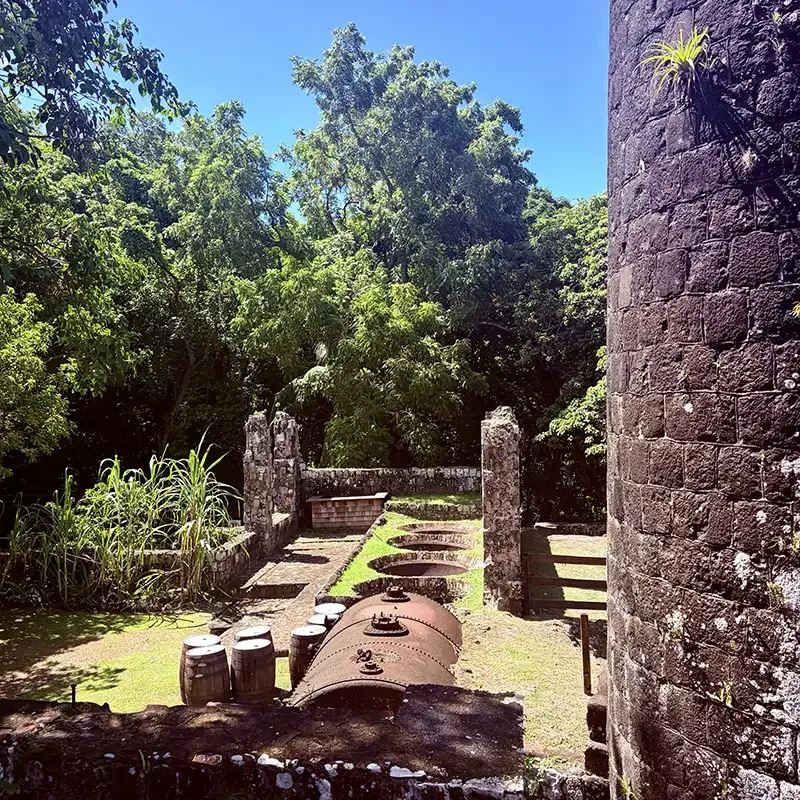
40 years ago, Maurice Widdowson discovered Wingfield Estate and began the restoration process. But everything changed in 2012 after heavy rain. Staff noticed a few stones poking out from the ground, unaware that these were the remains of the oldest rum distillery in the Caribbean. This inspired Maurice’s son Jack to create the Old Road Rum Distillery to fund restoration efforts. In 2025, the distillery won “Rum of the Year” at the Bartender Spirits Awards. After tasting it, I can understand why. I’m typically not a fan of rum, but their rum cream liqueur changed my mind.
The Lead Storyteller, Kevis, brought us out to the river and told us the story of Betto Douglas. When she could not make her overpriced rent payments after owing interest on her manumission, Betto was put in stocks for six months as punishment, only allowed to visit the river to bathe. She eventually escaped, and the cruelty of her story inspired English abolitionist reporters to investigate. She became a symbol of resistance against British slavery.
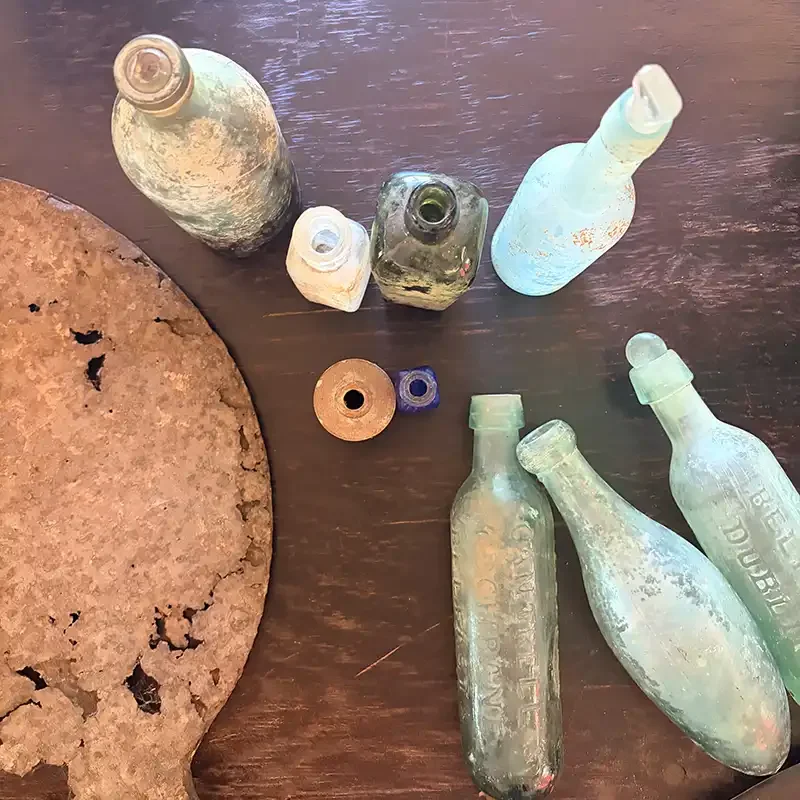
Wingfield Estate is one of the few historical sites I’ve visited that doesn’t feel like a museum. No ropes separate visitors from the ruins. In the gift shop, I held a centuries-old bottle, its contents still sloshing inside; its owner likely never imagined it would be in my hands today.
Hibiscus Spirits
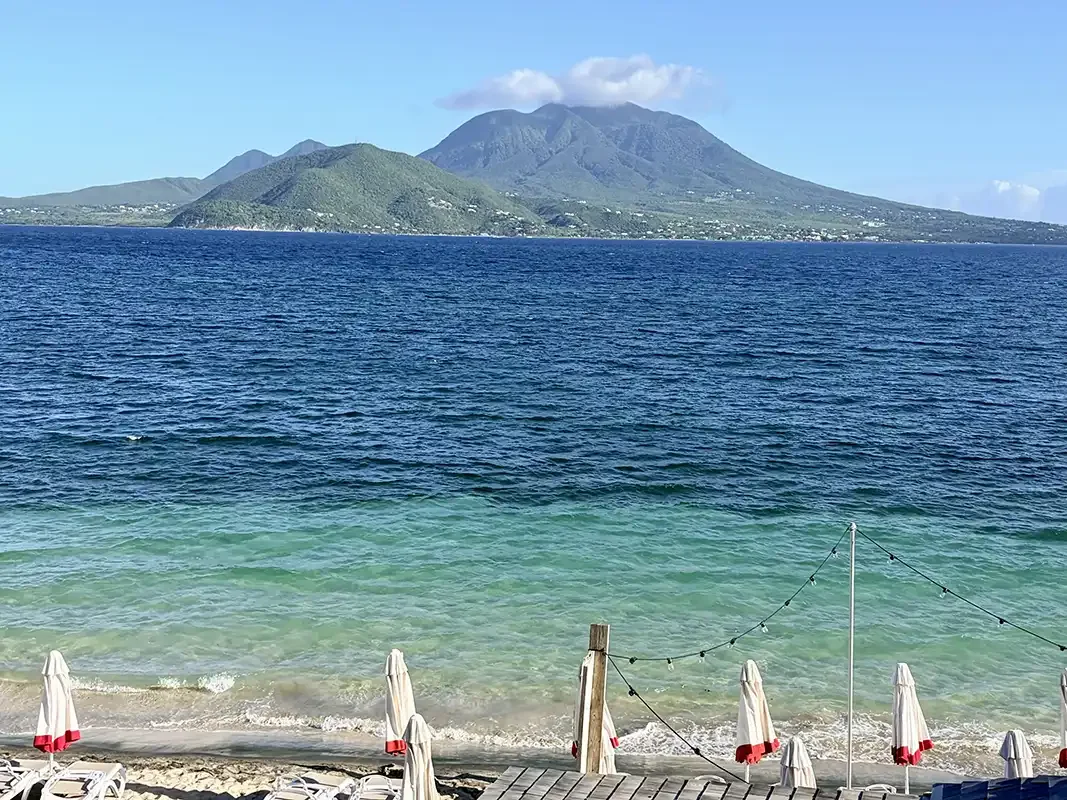
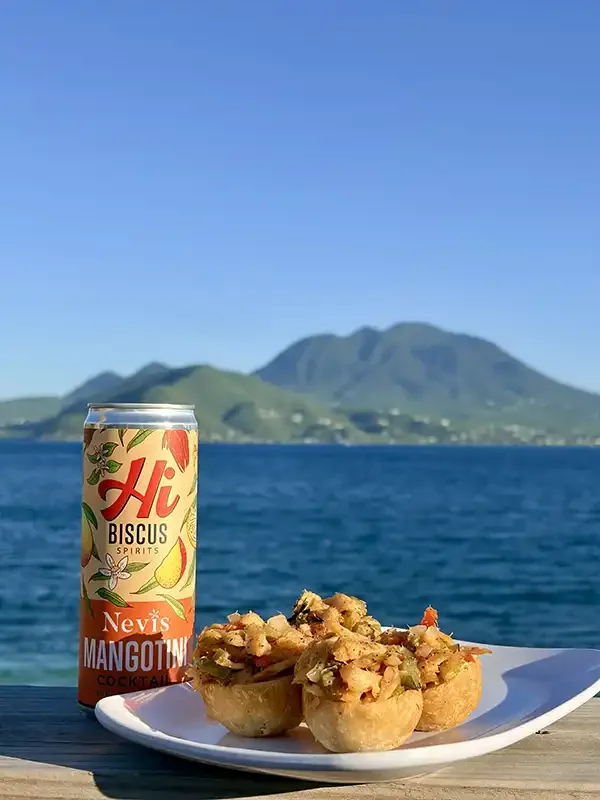
When we arrived at Cockleshell Bay, the sun’s golden-hour rays gently illuminated the island of Nevis, a blanket of clouds dangling above its highest peak. Even today, there is only a cat pacing on the beach while a couple quietly swims in the water.
This hidden paradise became the home of Hibiscus Spirits in 2009. Unlike other Caribbean islands, hibiscus is less common in Kittitian drinks. Hibiscus Spirits is dedicated to reviving this flavour, supplying four farmers across the island with stipends to grow hibiscus. Visitors can enjoy a Rumtini Cocktail experience with the owner, Roger Brisbane, to explore the blending process. This was my introduction to cocktail making, and there was no better place to do it than in the shadow of Nevis.
Stays
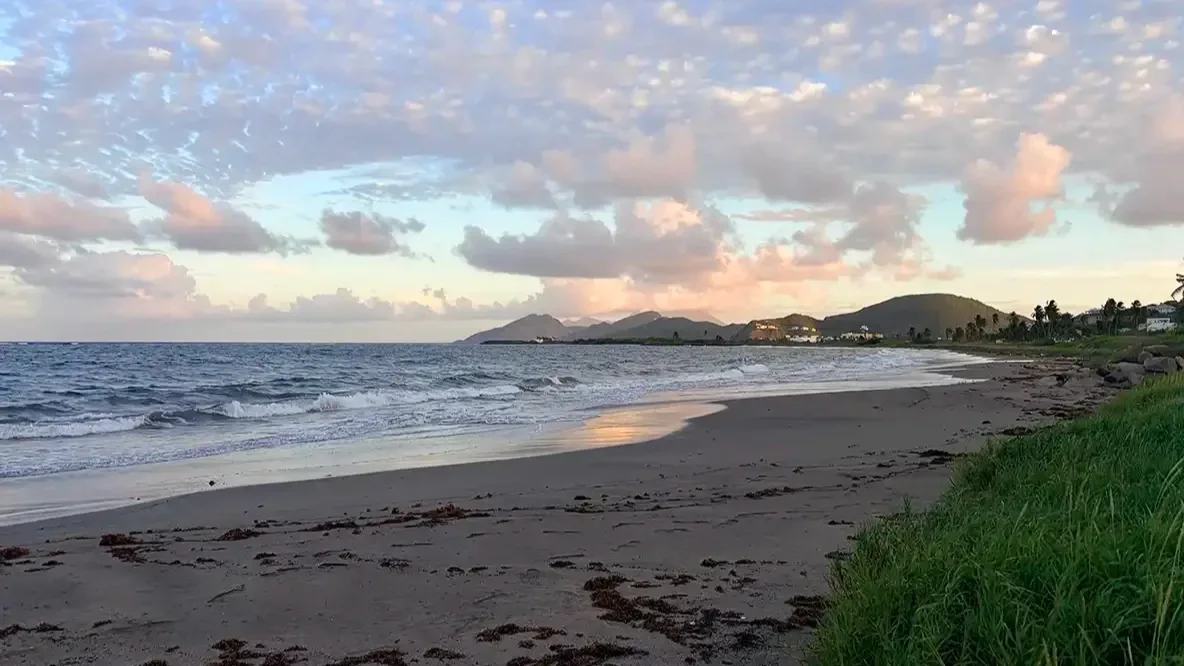
We stayed at two resorts throughout our visit, each showing a different side to the St. Kitts beach experience.
Marriott
Marriott has all the necessities, with beach umbrellas and a long pool to keep guests entertained. Each Friday at “Taste of St. Kitts”, local vendors set up markets on the property where guests can sample Kittitian classics. They also have a variety of restaurants run by Executive Chef Christophe Lepard. I intentionally ordered the mojito to try the mint from Gideon Farms, which was incredibly fragrant.
Koi Resort
Koi Resort is a part of the Hilton Curio Collection. The property is small and intimate, and the pool is surrounded by trees, where lucky guests may get a glimpse of the notorious monkeys. On my last night, I enjoyed a quiet sunset walk on the beach, appreciating the untouched beauty of this island.
As my plane departed, St. Kitts no longer felt small, but familiar and tangible. I could see both the resorts and Brimstone Hill from my window. The winding roads that had once felt disorienting were now familiar enough to trace with my finger. St. Kitts contains multitudes, and its people embrace a slower pace of life, leaving room to pursue new opportunities for creativity's sake. I left rejuvenated and inspired to do the same.
To learn more about St. Kitts, head to Visit St. Kitts.
If you are looking to explore other nearby Caribbean islands on your visit, check out Bequia.

ALL PHOTOS: ANALISE SAAVEDRA