Top 6 Photo Spots in Singapore: A Photographer’s Guide to Capturing the City’s Soul
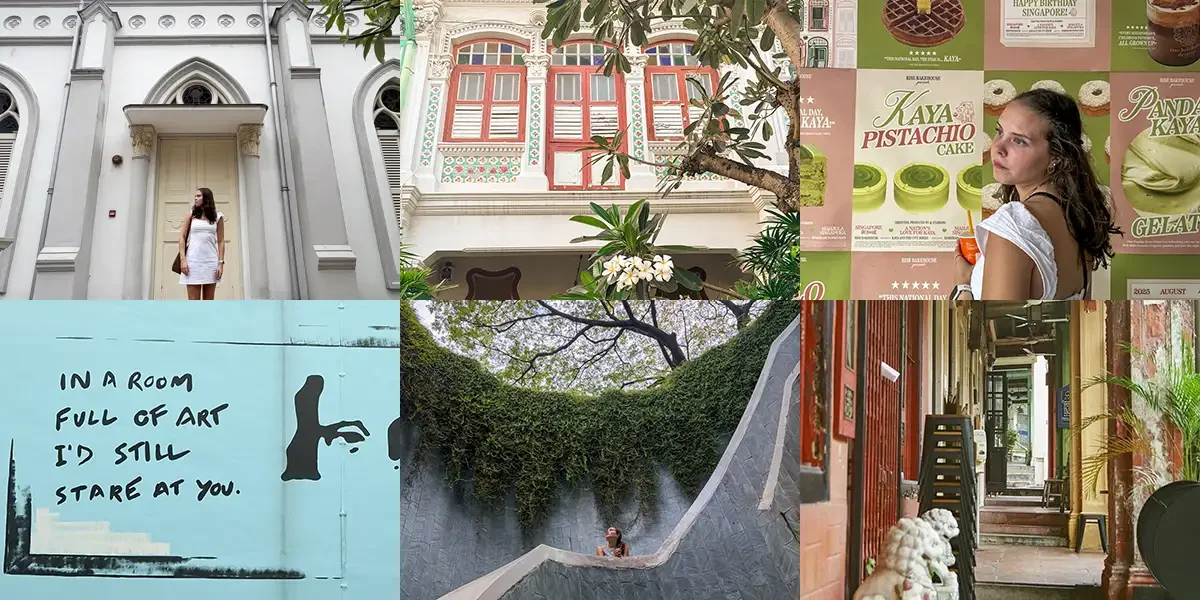
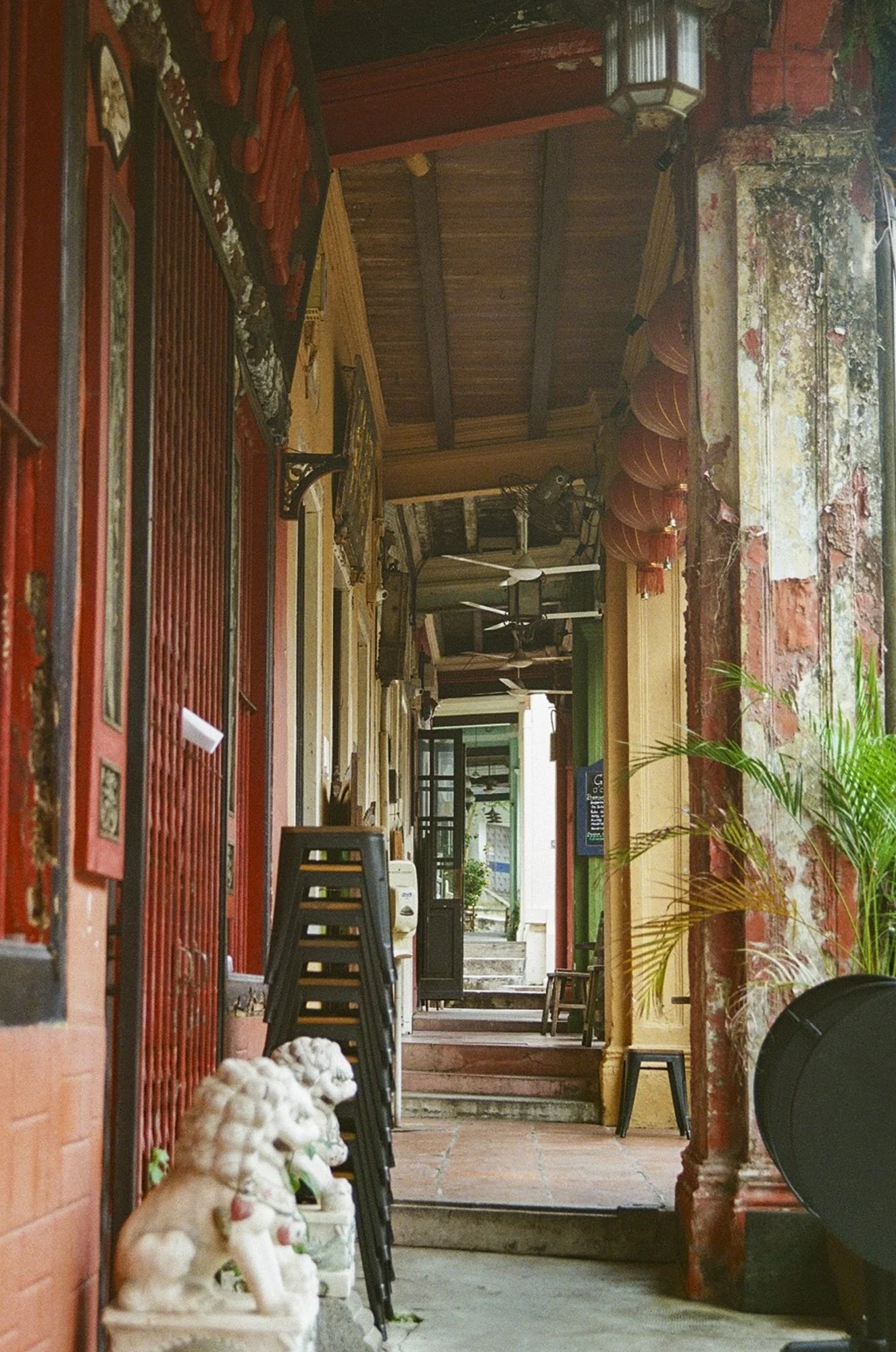
After 9 months of pining and patience, I managed to convince my grandpa to give me his luxury film camera from 1985: The Minolta Maxxum 7000. He kindly gave me the camera at the perfect time, a month before my trip to Singapore. The only problem? I wasn’t entirely sure how to use it.
Luckily, I spent days walking thousands of steps sightseeing in Singapore and searching for the perfect photo spots to test out the camera. Although known for iconic sites like the Marina Bay Sands Hotel and the Merlion, the truth is that many of Singapore’s photographic gems lie on quiet side streets and in the heart of the city's gardens. Here are my top 6 photo spots for visitors who want to capture the heart and soul of Singapore.
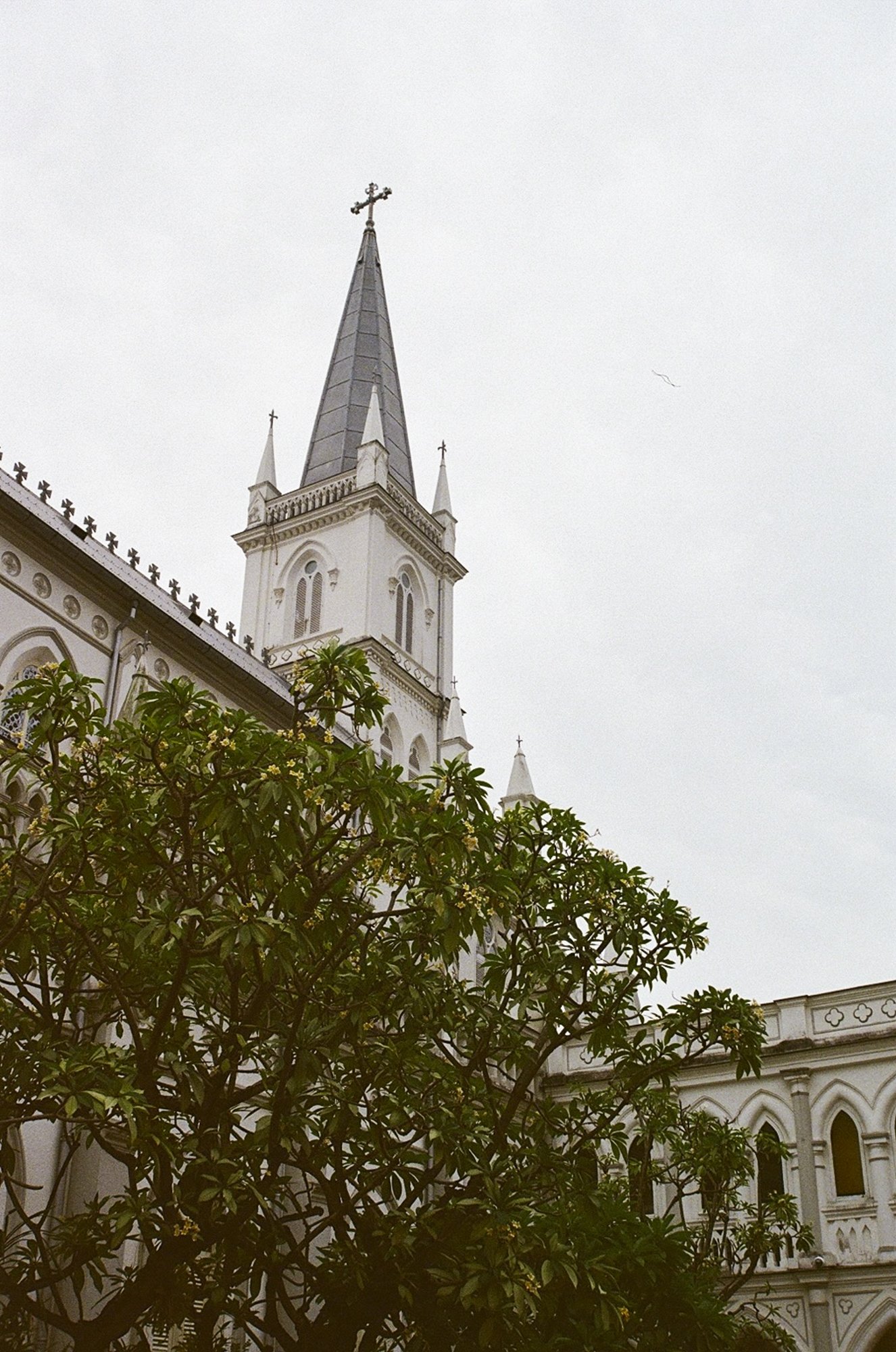
1. Chijmes
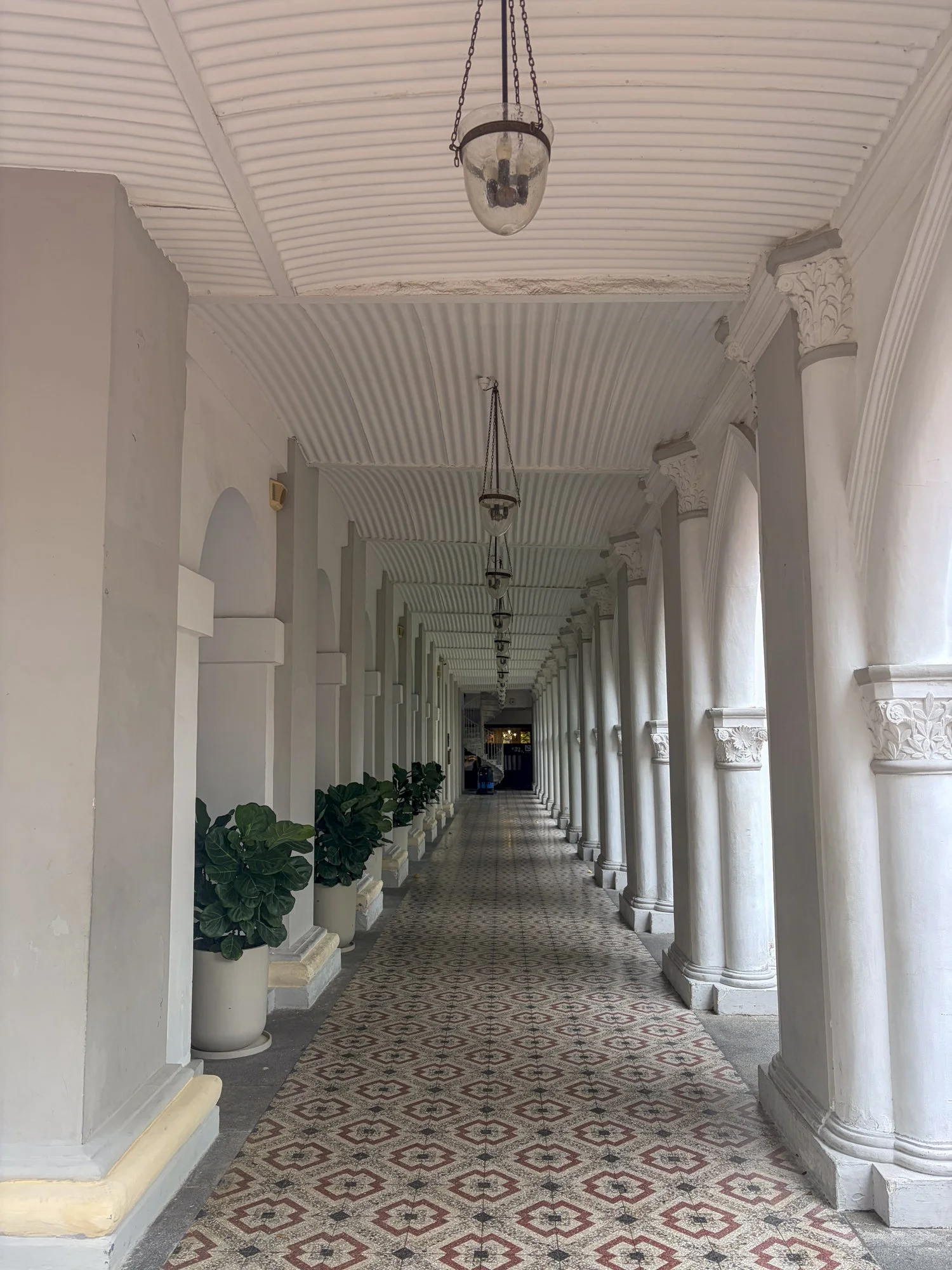
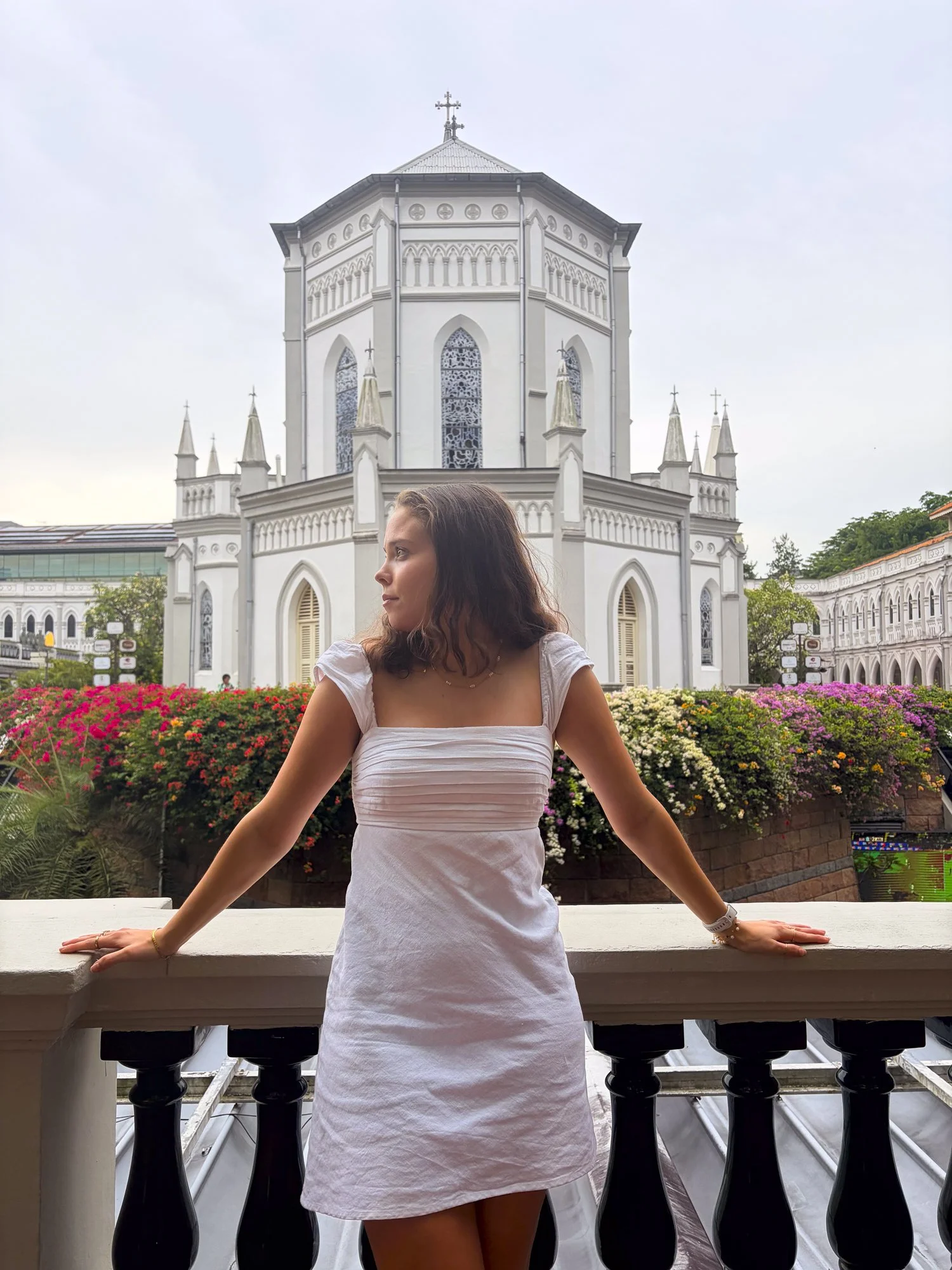
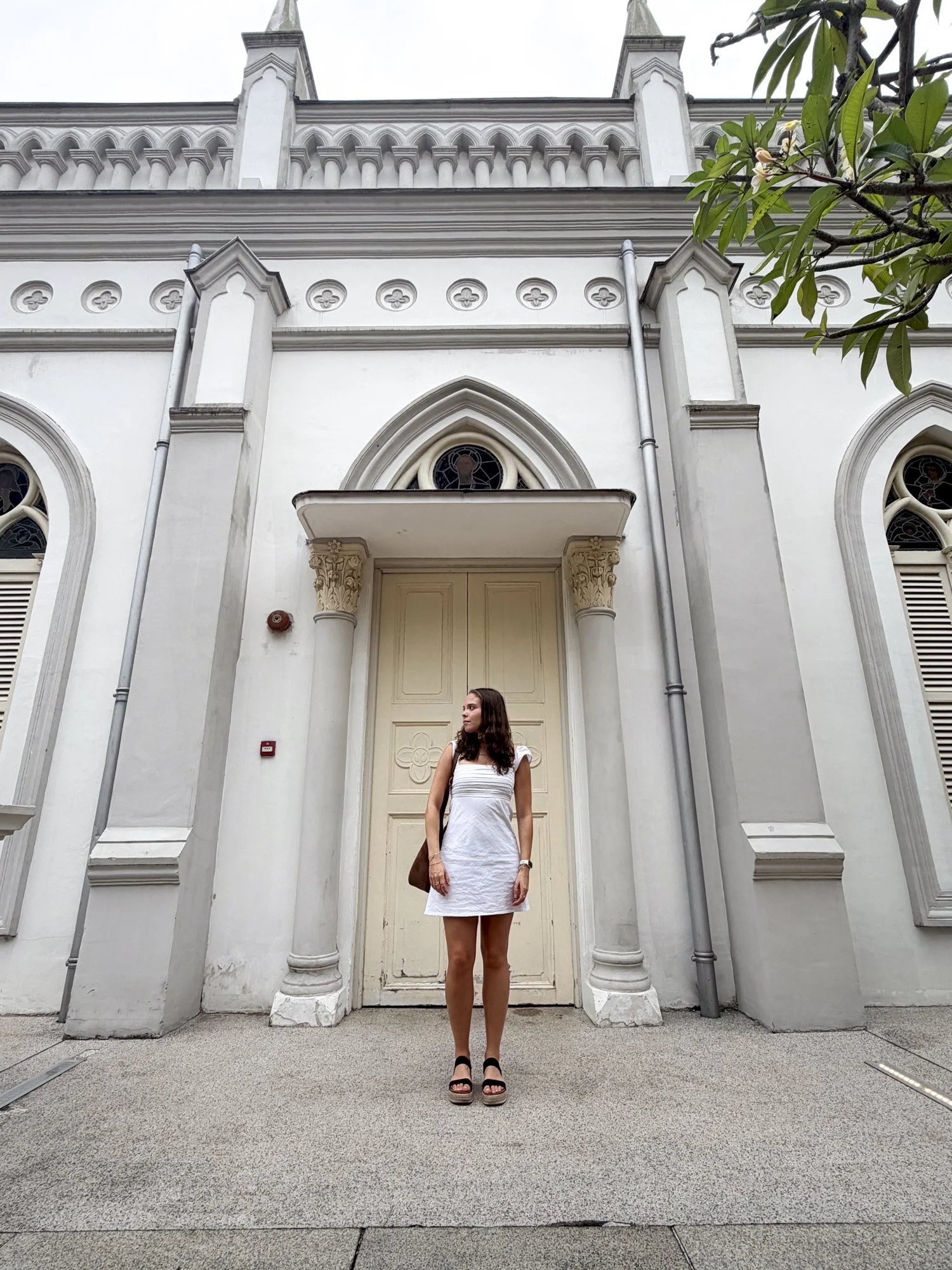
Chijmes is one of those spots that immediately captured my heart. With stone-white arches and walls, spiral staircases, and flower bushes, it felt like a piece of the past and the present colliding. Its main building, the Caldwell House, was originally constructed in 1854 by two French nuns as a Catholic school for girls. Today, the Caldwell House is the second-oldest building in Singapore, and the rest of the complex is converted into a hip scene for bars, cafes and shops. However, I spent an hour appreciating the simple, beautiful design of the area and snapping some photos.
2. Katong-Joo Chiat
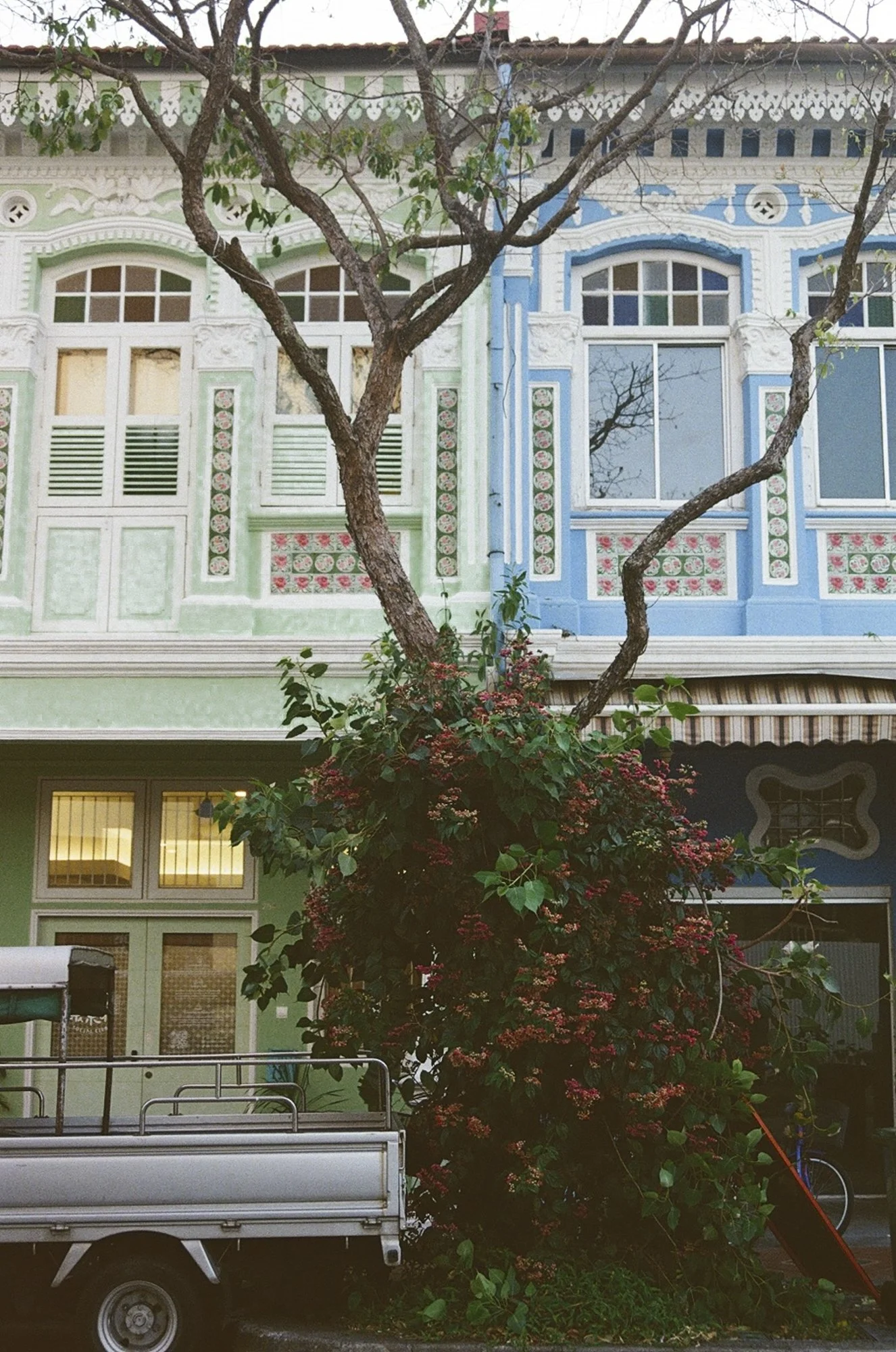
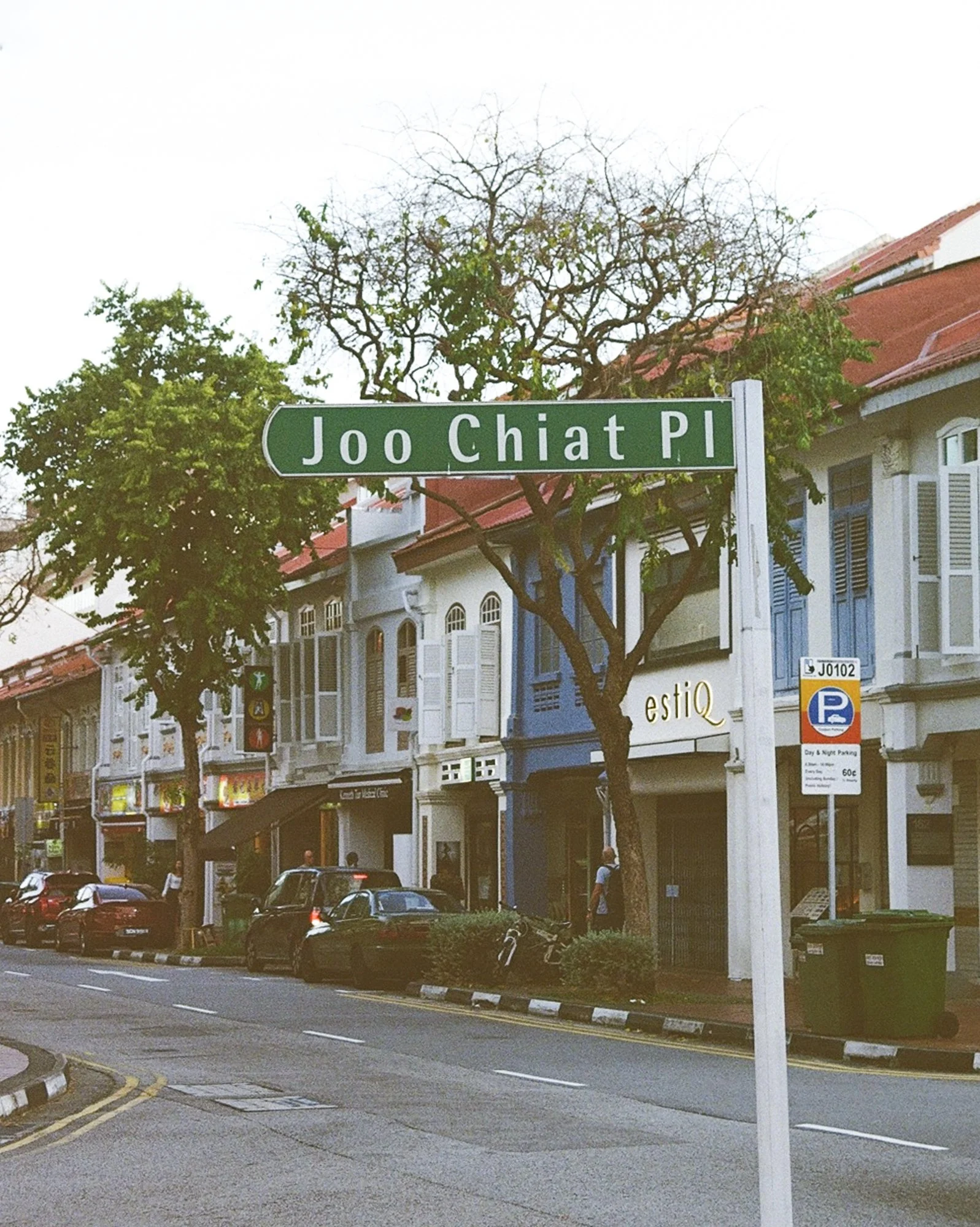
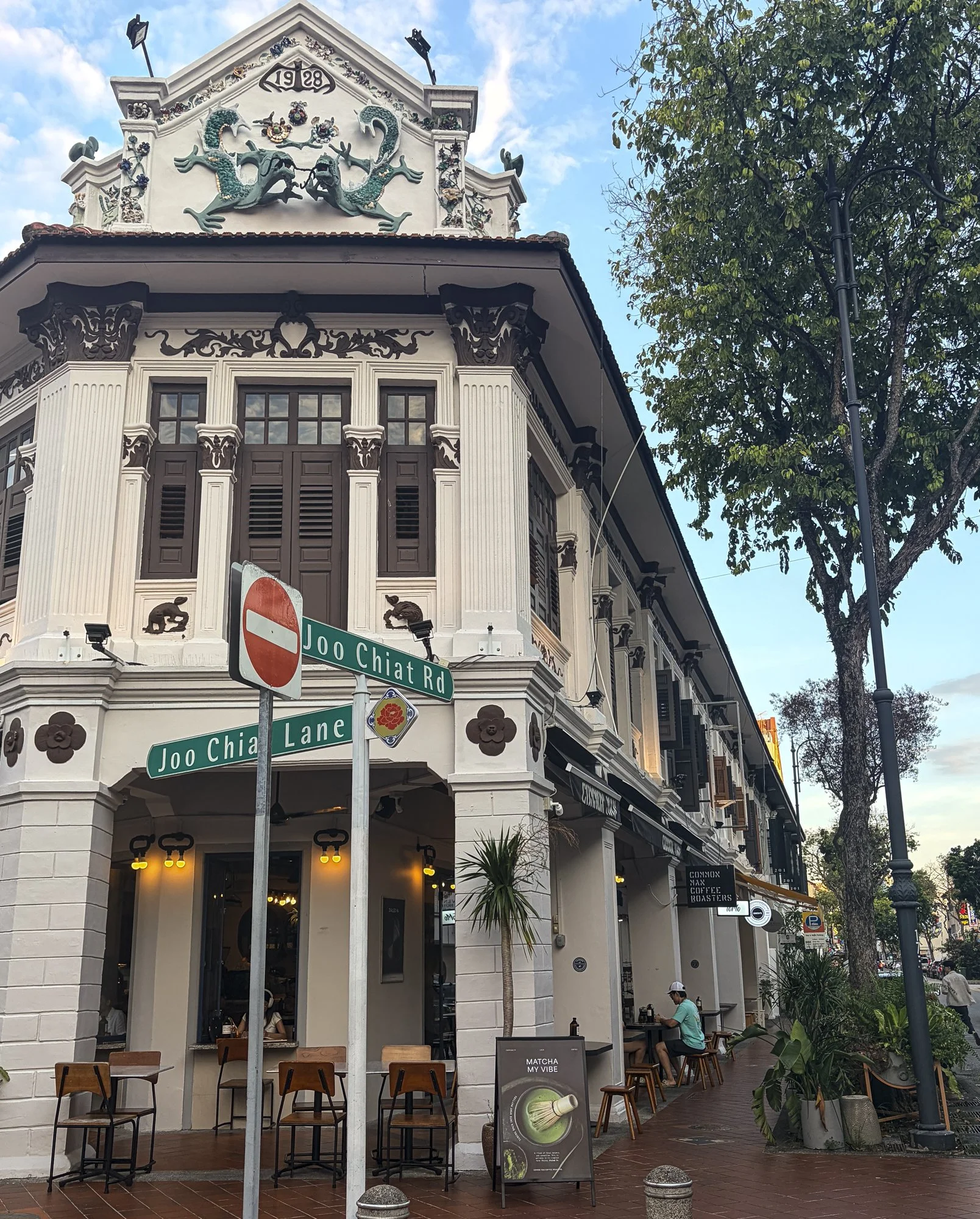
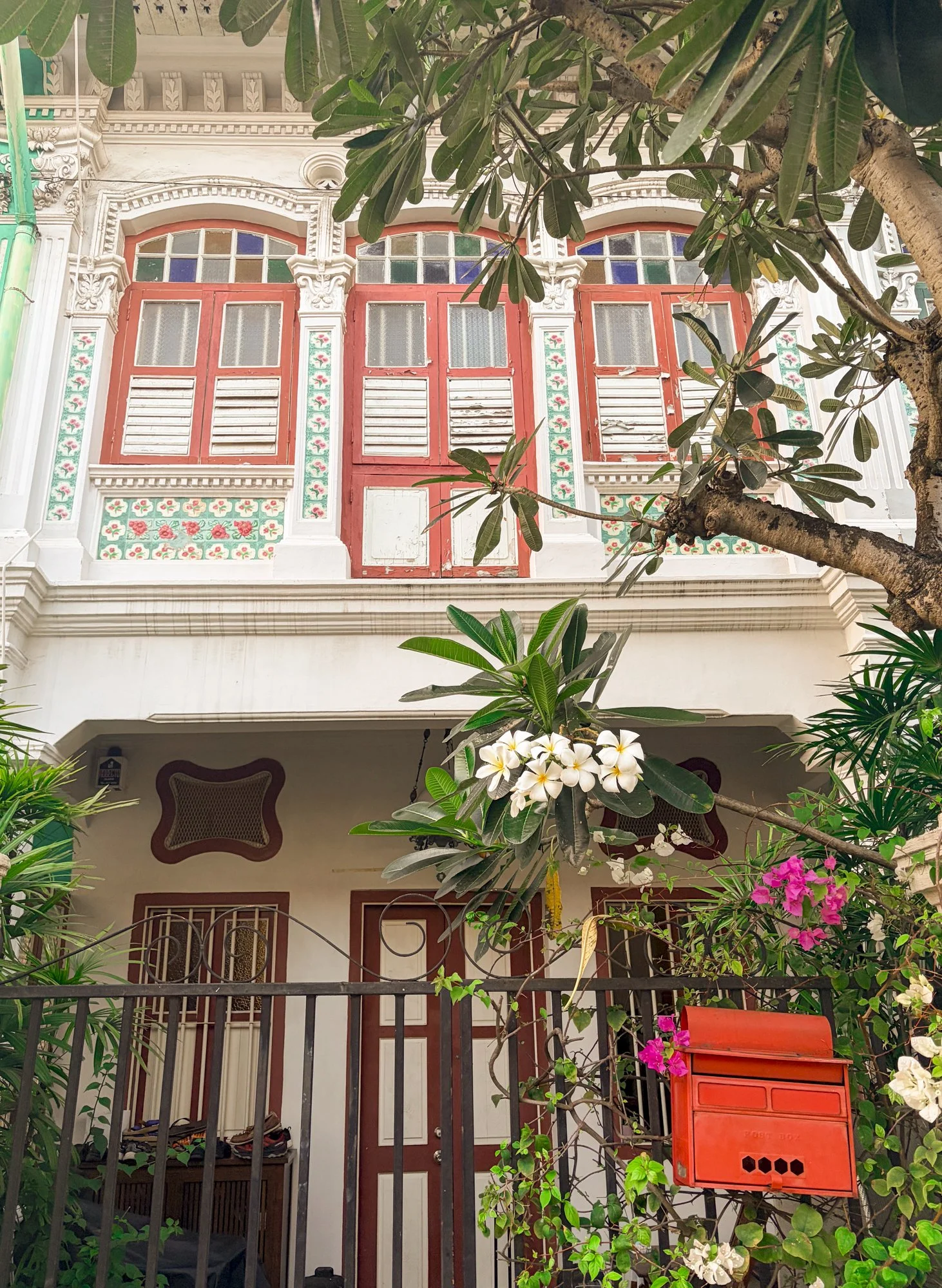
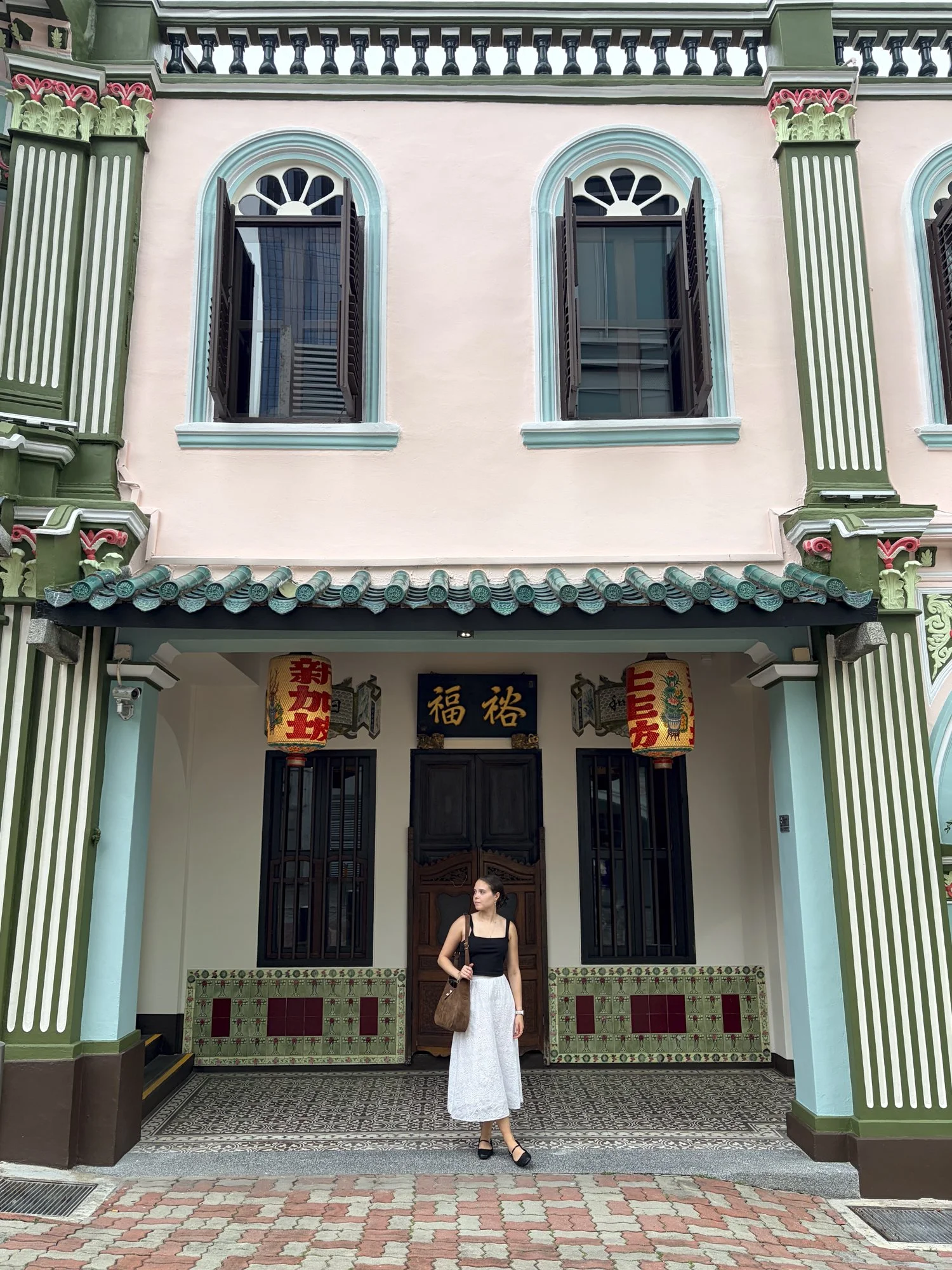
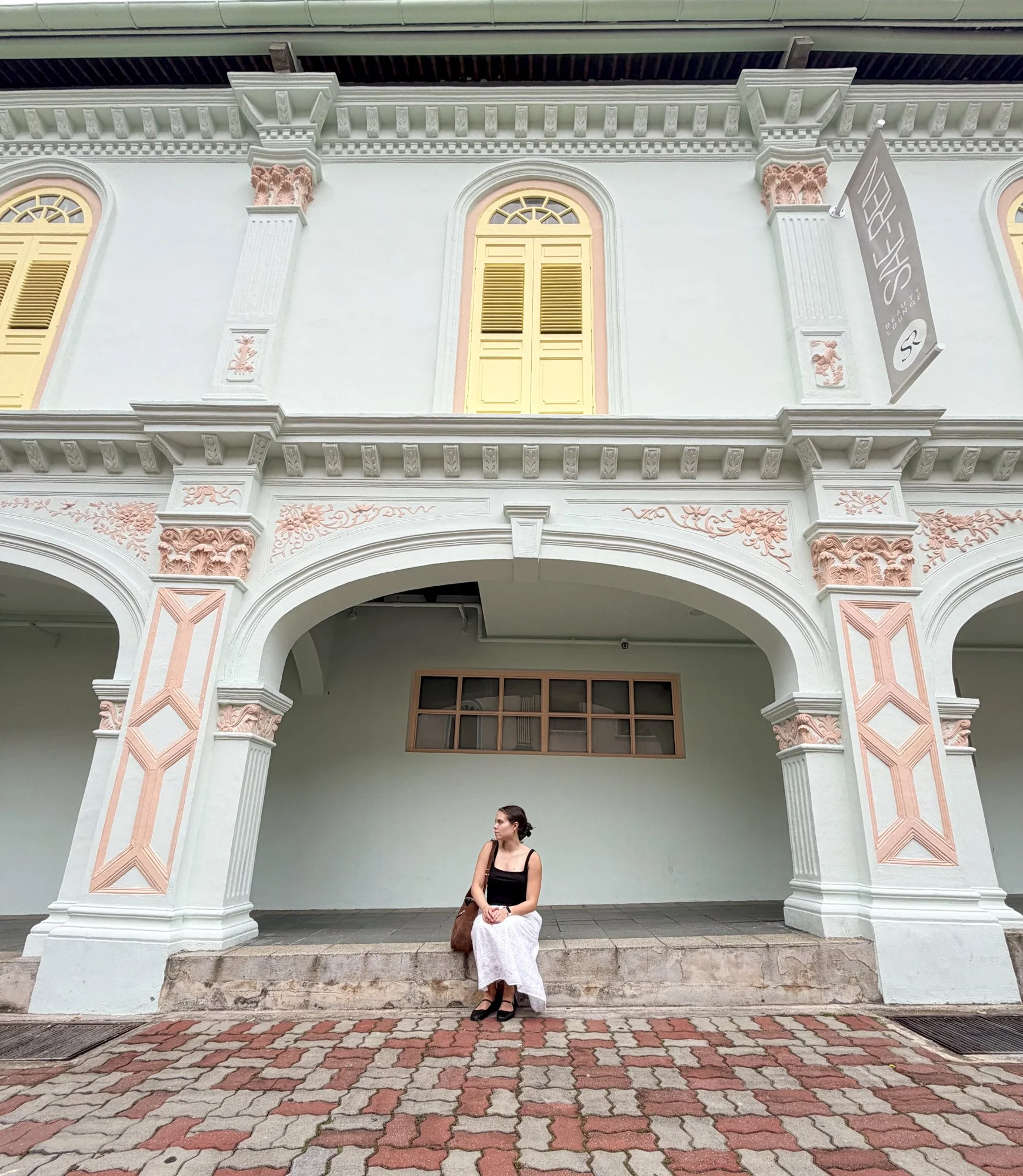
Joo Chiat is known for its iconic and brightly-coloured shophouses along Koon Seng Road. Although these are absolutely worth a stop, I stopped on nearly every street in this neighbourhood for a photo, compelled by the bright colours and vibrant evidence of varied cultural influences.
In the early 20th century, significant Peranakan and Eurasian populations moved into Joo Chiat alongside the Chinese, Malay and Indian communities, creating the beautiful buildings and delicious culinary scene that define this vibrant neighbourhood today.
3. Fort Canning Park
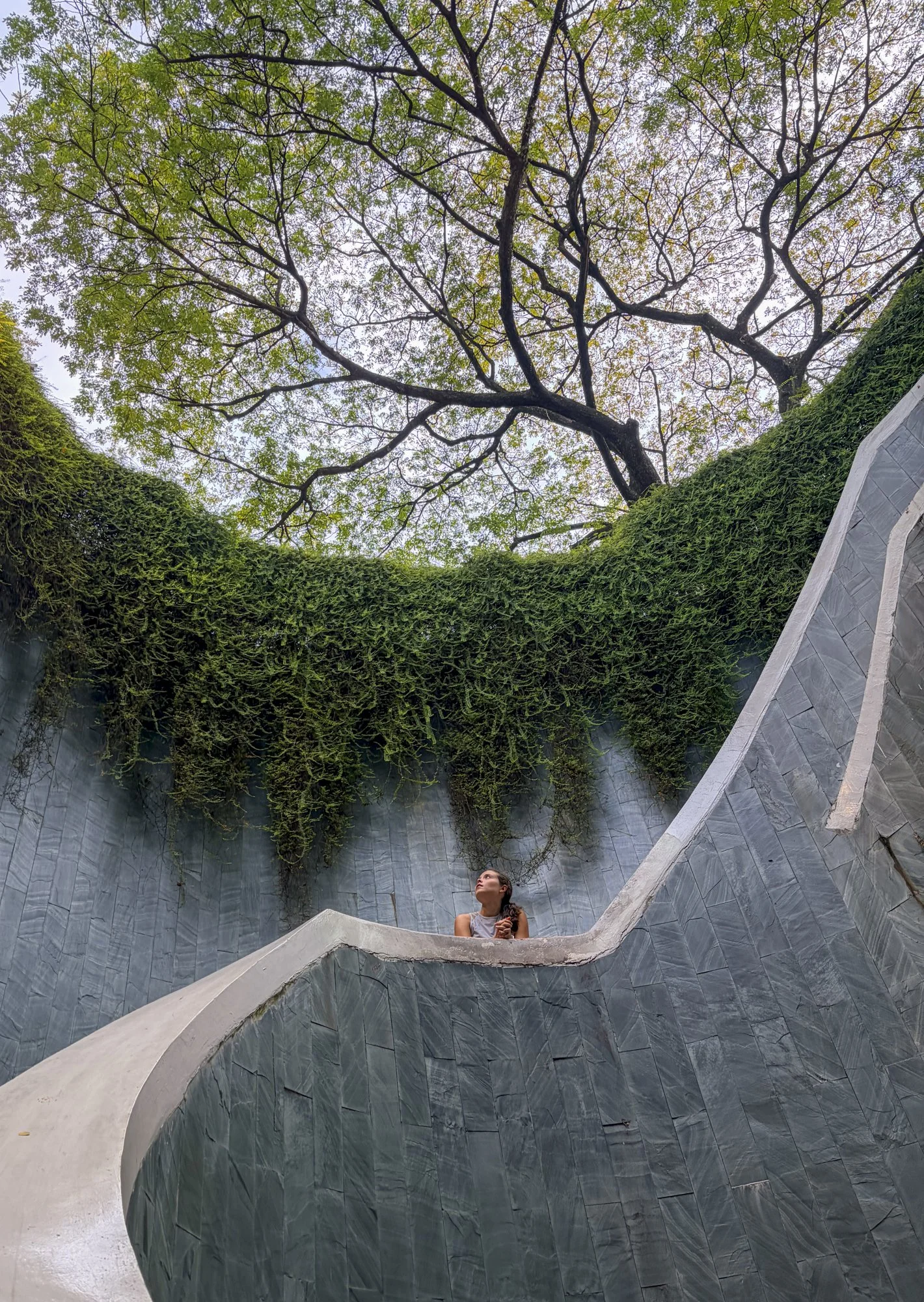
Originally built in the 1300s as the seat of power for the ancient Malay kingdom of Singapura, Fort Canning later served as a military base for the British and Japanese. Today, traces of its long history sit quietly among lush, towering trees and walking paths. Along a winding underground tunnel beneath the trees is one of the most beautiful photo spots in Singapore: The Fort Canning Tunnel. It is well worth it to join the line of tourists to get the perfect shot of the web of trees enshrouding the spiral staircase.
4. Gardens by the Bay
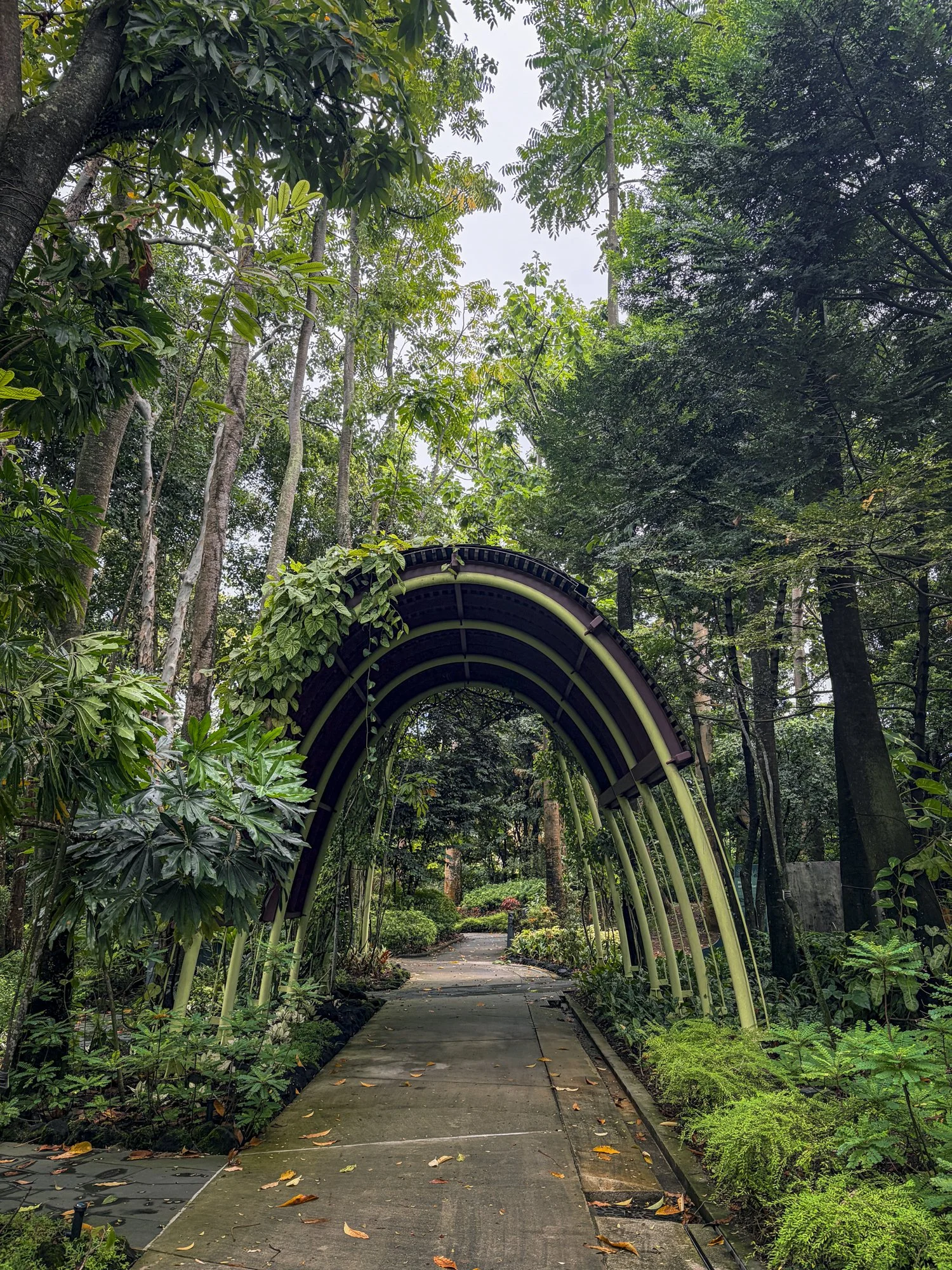
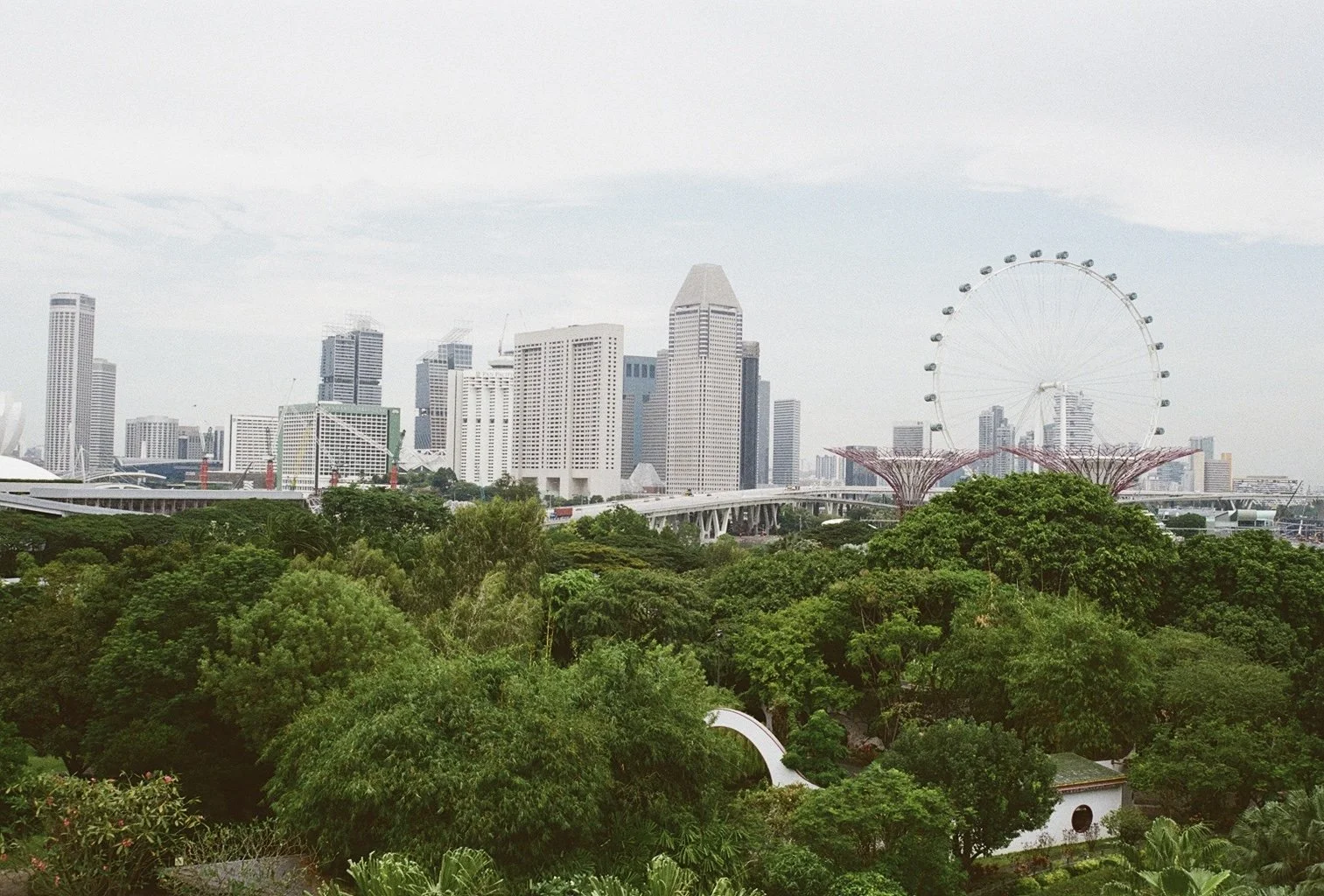
Although likely one of the first destinations visitors flock to in Singapore, it is with good reason. The height of the super trees provides the perfect view of the city skyline and iconic spots like the Singapore Flyer and Marina Bay Sands Hotel. However, the contrast with the lush, green forests below became my highlight. The forests are quiet and expansive, with many sculptures and smaller photo spots that photographers could spend hours discovering.
5. Chinatown
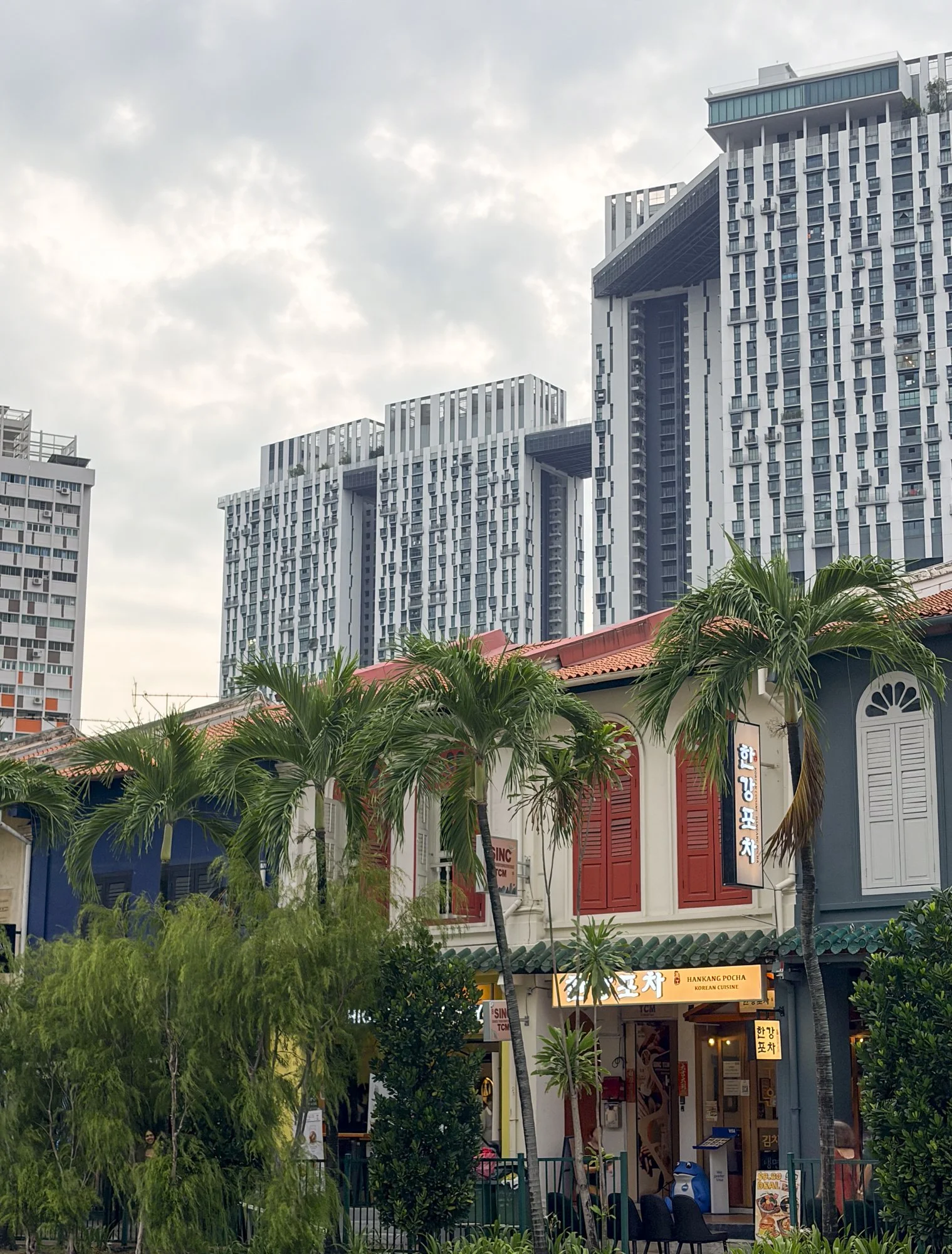
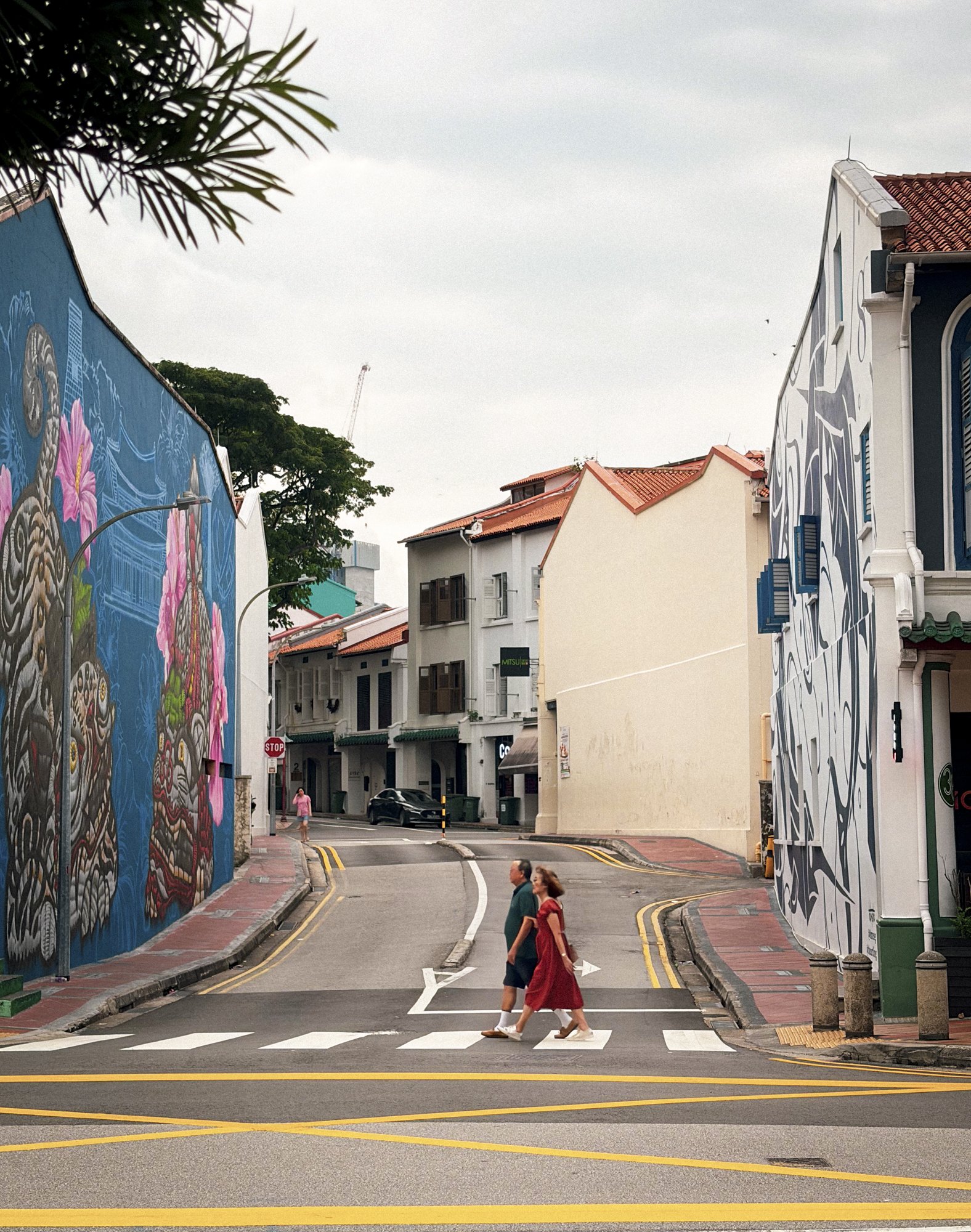
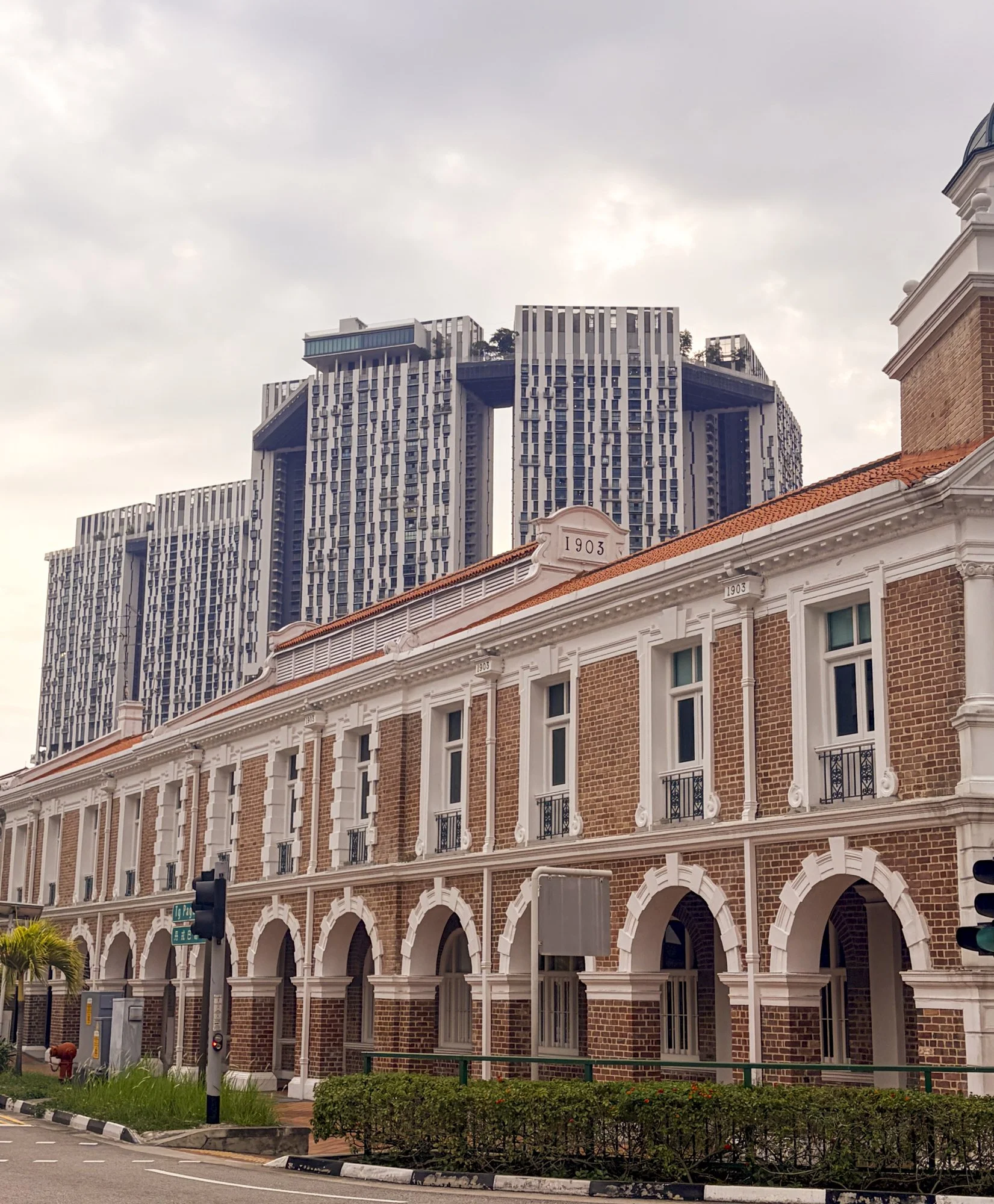
We began our walk on Amoy Street, wandering past colourful murals and walls until we found ourselves on the bustling streets of Chinatown. The streets were lined with brick buildings, white arches and brightly colored traditional houses contrasted by modern, towering skyscrapers in the background. It’s Singapore in a snapshot: multicultural, colourful, lush, clean, innovative and aesthetic.
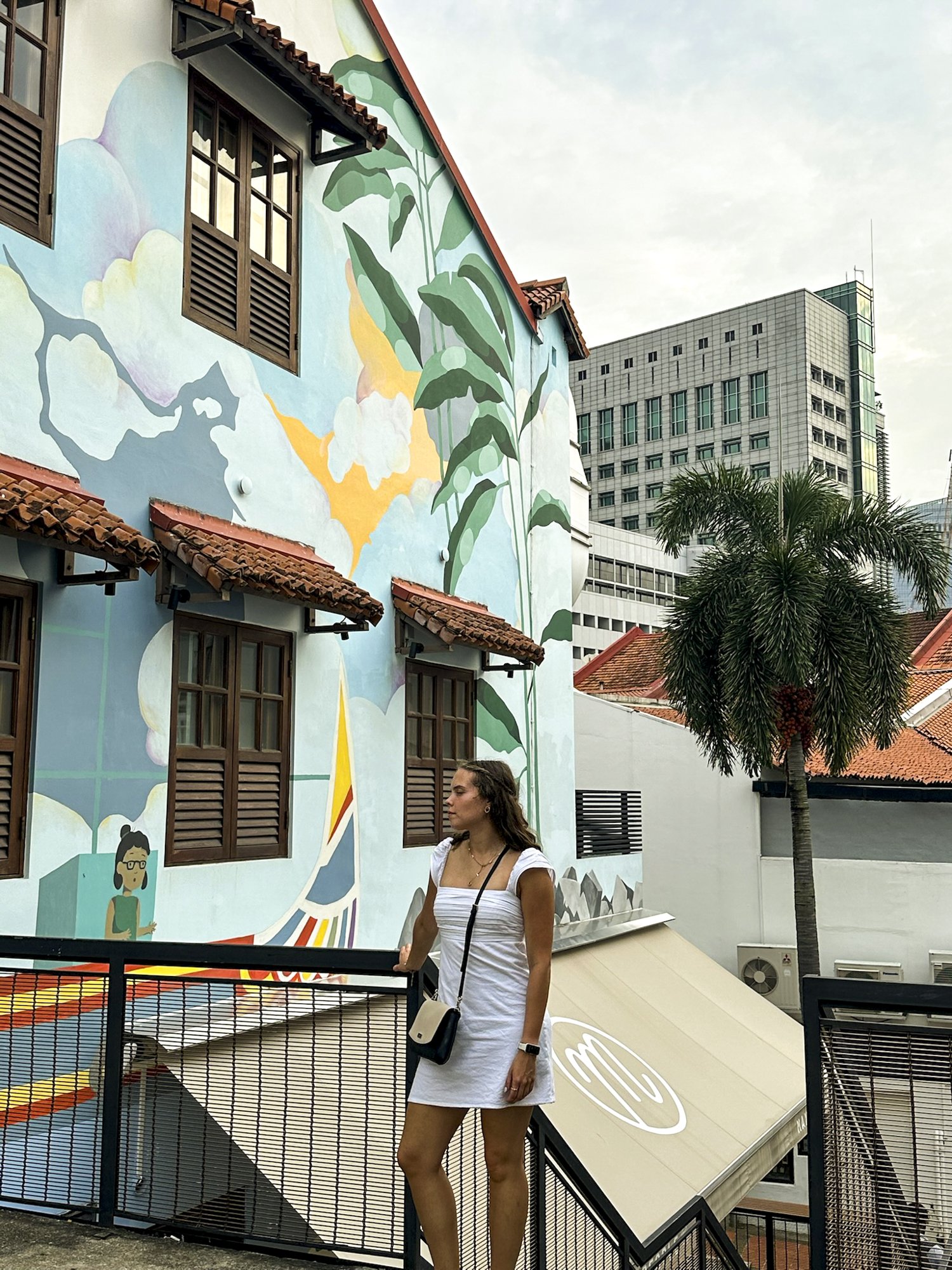
6. Emerald Hill Road
Tucked away behind the famous shopping malls of Orchard Road is the small, quaint street of Emerald Hill Road. The streets are quiet and lined with multicoloured, traditional buildings, bars and restaurants. The architecture is similar to that found in Chinatown in Joo Chiat, but without the crowds. If you’re a little more camera-shy to pose in front of crowds, this is the spot for you.
Regardless of which spots visitors choose to explore, I can guarantee vibrant photo albums that will leave them reminiscing about Singapore for years to come.
For more on what to do in these destinations, check out our article here.
Want to see some bonus spots up close? Check out this Instagram reel.
All photos by Analise Saavedra and Andres Monasterios