La Paz and Todos Santos are Mexico’s Best‑Kept Secret – An Unassuming Coastal Treasure
La Paz, the capital of Baja California Sur, has long been one of Mexico’s most extraordinary yet quietly kept treasures — a place where desert mountains drop into the Sea of Cortez in a way that feels almost otherworldly. For years it stayed largely off the international tourism map, overshadowed by the resort towns farther south and in other areas of Mexico. That’s beginning to change, but the city has stayed true to itself.
Getting here is easier than most people expect. You fly into Los Cabos, rent a car, and within ninety minutes you’re on a scenic stretch of highway that moves from cactus‑lined desert to wide views of the sea — a fitting introduction to what La Paz is about.
La Paz: Mexico’s Hidden Paradise Finally Coming Into View
La Paz is a welcoming, low‑key place. A working city with deep local roots, and that’s a large part of its appeal. Its calm, secure atmosphere reinforces that feeling; La Paz is widely regarded as one of the safest and most peaceful cities in Mexico.
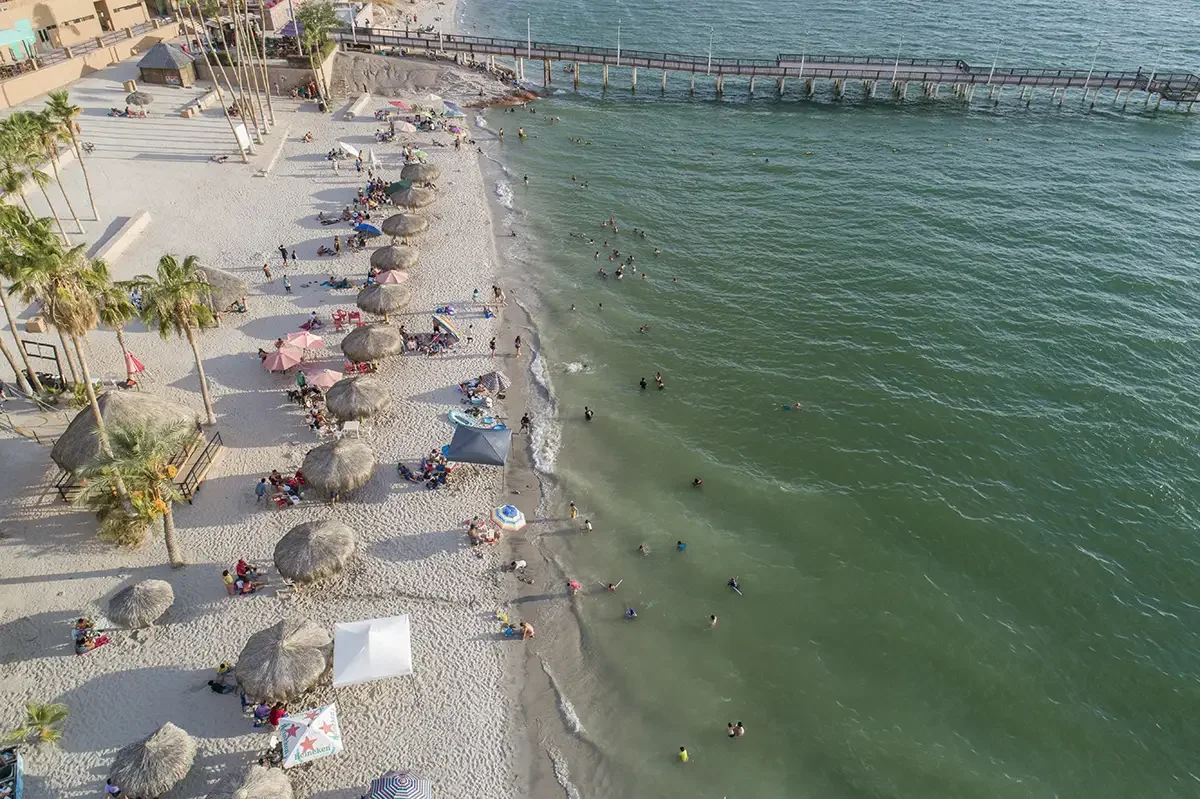
The seaside walkway, or malecón, is where much of daily life unfolds: people moving at an easy pace, kids on bikes and scooters, a few musicians setting up as evening settles in, and families pausing along the waterfront at sunset. Sculptures line the path, including the large pearl set inside an open shell, a nod to the city’s long history of pearl diving.



Photos: www.golapaz.com
La Paz offers a quieter, more personal experience. The kind of place where you can slow down, breathe a little easier, and feel connected to where you are. Travellers seeking authenticity, natural beauty, and an unforced pace are starting to see what locals have known for years: La Paz is one of Mexico’s best‑kept secrets.
From Pearl Divers to Modern‑Day La Paz
The story of La Paz begins long before tourism reached the peninsula. The Spanish arrived in 1535, and by 1596 the settlement had been formally named La Paz. For centuries afterwards, the region was defined by its pearl beds, once among the most valuable in the world. Pearl diving shaped the early economy and drew explorers, traders, and settlers who laid the foundations of the city.
By the early 20th century, the pearl industry had collapsed, and La Paz had to reinvent itself. Over time, it shifted toward marine research, conservation, and a slower, more sustainable form of tourism. Its coastline, wildlife, and cultural history became its new strengths, and only in recent decades have visitors begun to appreciate them fully.

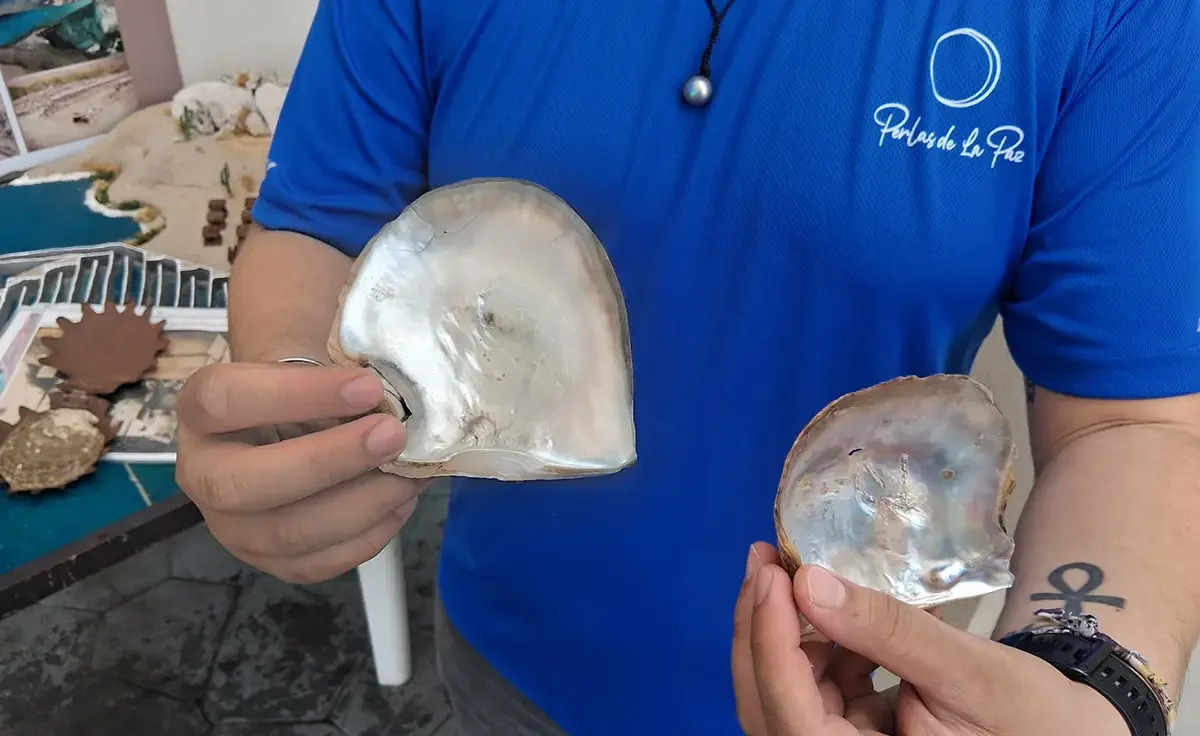
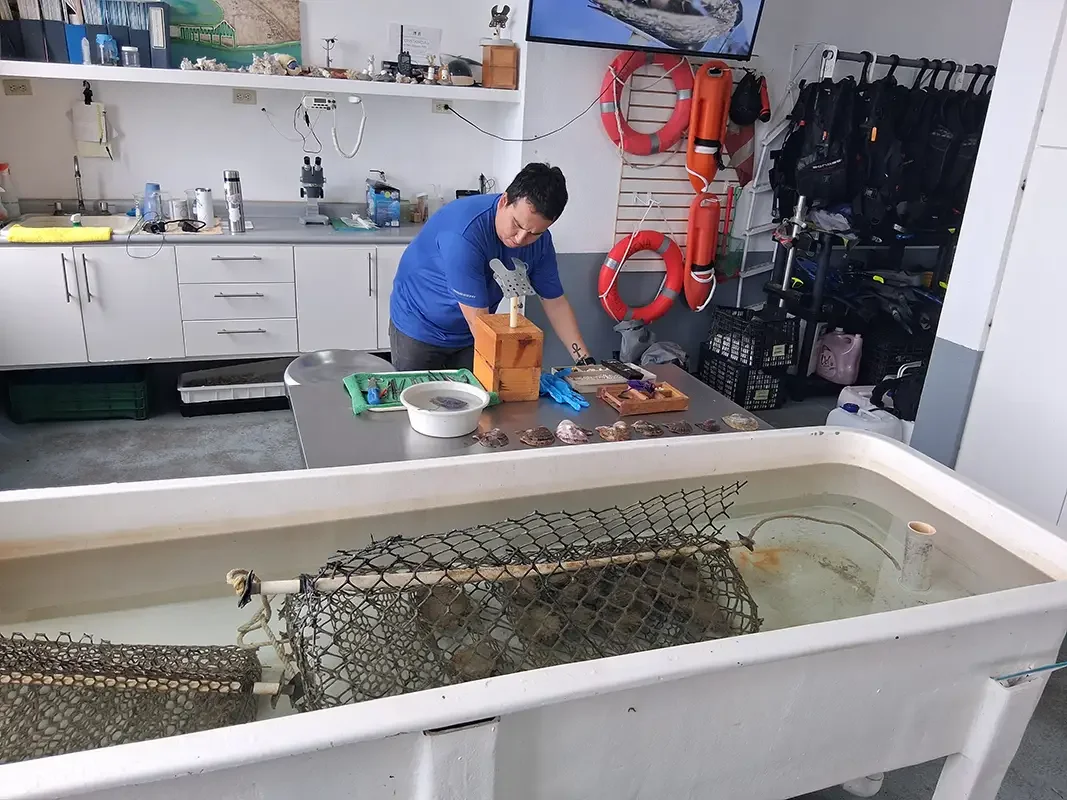
You can see this blend of past and present throughout the region. Just outside La Paz, near Pichilingue, is Perlas del Cortez, La Paz’s only working pearl farm. It began in the 1990s as a university research project focused on restoring native oyster species and developing sustainable aquaculture methods. That research still shapes the operation today.
A visit here takes you through the process from the inside: the oyster cages in the water, the grafting work in the lab, and the slow, meticulous cultivation that can’t be hurried. Staff explain how the oysters fit into the broader marine ecosystem, why the pearls develop such varied colours, and how the species was brought back after being nearly wiped out in the Gulf of California.
From there, they take visitors into the water to see the oyster beds firsthand — a snorkelling experience over the farm’s submerged lines and the surrounding coral and reef life. It’s a fun, recreational and worthwhile experience that gives context to everything happening on shore.
There’s a small shop on site selling pearls grown on the farm, though the emphasis stays on the science and the long timeline behind each one. Perlas del Cortez is an impressive operation that shows how research, conservation, and local industry intersect in this part of Baja. The staff are local, knowledgeable and friendly.
Espíritu Santo and Balandra: The Heart of the La Paz Coast
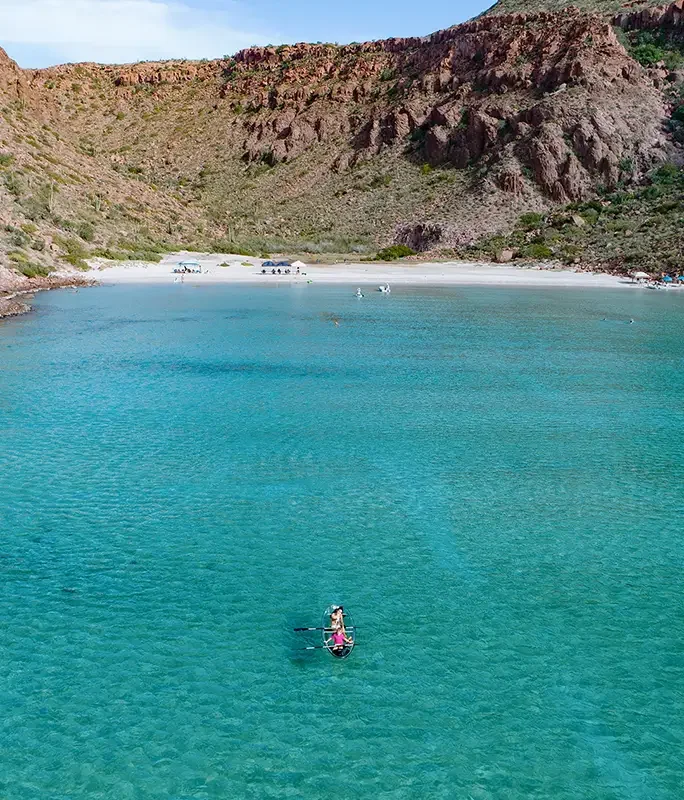
No destination in Baja captures the imagination quite like Espíritu Santo Island, a UNESCO World Heritage Site. With its pink cliffs, turquoise coves, and abundant marine life, the island feels untouched by time. Visitors can snorkel with sea lions, kayak through hidden bays, or simply float in warm, crystalline water. The island’s protected status ensures that its beauty remains pristine.

Photos: Courtesy www.golapaz.com
Closer to the city, Balandra Beach is one of those places everyone in La Paz seems to claim — locals who’ve been coming here since childhood and visitors who hear about it within an hour of arriving. The lagoon is shallow and calm, the kind of water you can wander through for a long stretch with barely a change in depth. Paddleboarders move between the sandbars, and families wade through water so clear you can see every ripple on the bottom. The mushroom‑shaped rock, a small landmark locals still point out with a bit of pride, appears as you round the curve of the bay. To keep the area healthy, daily access is limited, which is why Balandra still feels relaxed even on busy days.
Other public beaches, such as Tecolote, El Coromuel, and Pichilingue, offer everything from water sports to beachside dining, making La Paz a paradise for anyone who loves the sea.
Hotel Casa Al Mar
Right on the malecón, Hotel Casa al Mar has become a reliable base for travellers who want to stay close to the water and still feel part of the city. The property sits directly across from the beach and has a charm that comes from being both unpretentious and thoughtfully put together. The rooms are spacious, the balconies catch the evening light off the Sea of Cortez, and the overall design leans toward relaxed coastal comfort rather than anything overly styled.
The hotel offers single rooms as well as two‑bedroom suites, which feel quietly upscale — well laid out with a small kitchen, a living area, and a comfortable bathroom. It’s the kind of place where you can unpack for a few days and feel settled almost immediately.
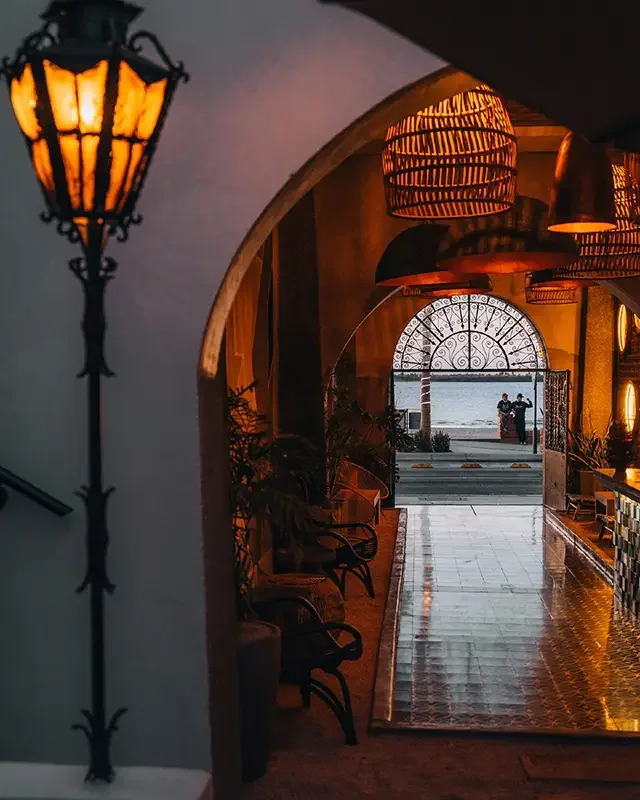
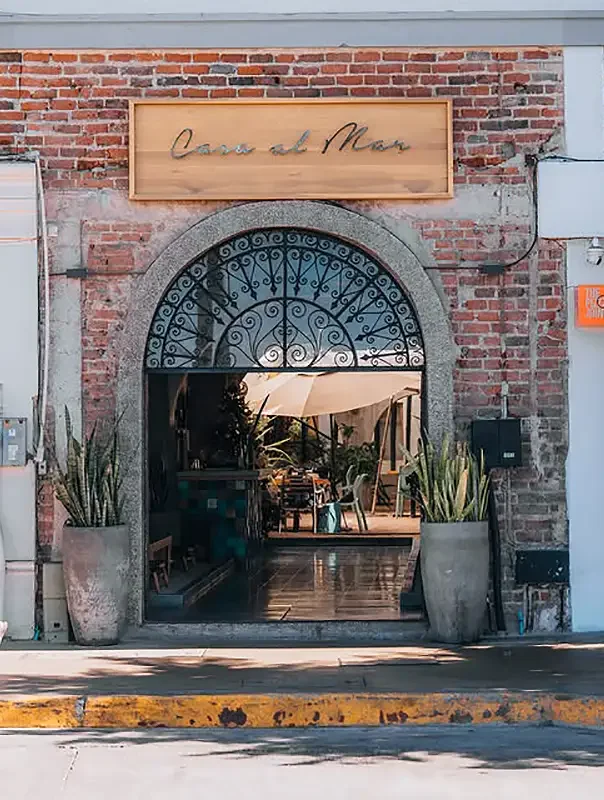
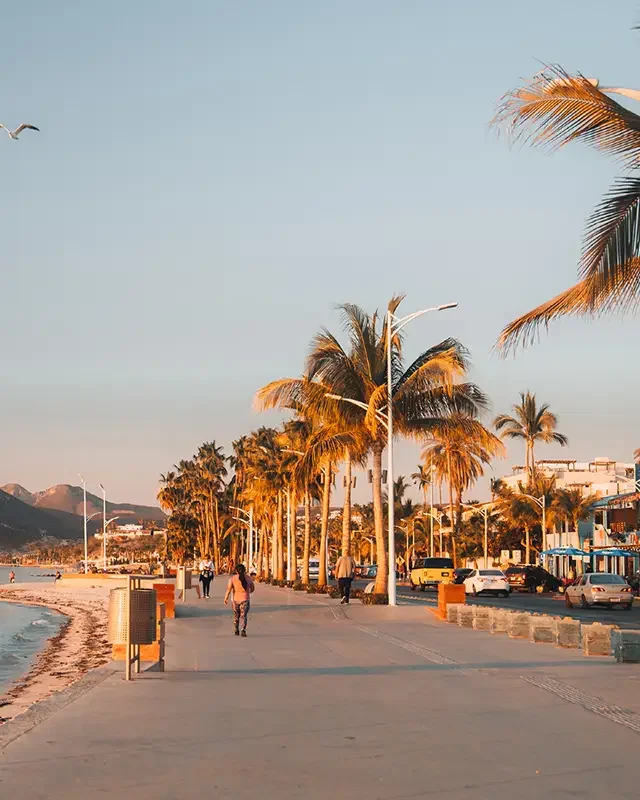
Photos: Courtesy Casa al Mar
What gives the hotel its character is the atmosphere. Staff greet guests by name after a day or two, and conversations at the front desk often turn into tips about where to swim, walk, or eat. It’s an easy place to settle into — not because it’s trying to impress, but because it feels grounded and welcoming.
Central 1535
Just a few steps from the lobby is Central 1535, which has become a natural extension of the hotel for many guests. Central 1535’s all‑day service makes it a convenient stop for breakfast, lunch, or dinner. Mornings start with strong espresso and specialty coffees, often paired with something simple before heading out for the day. By midday, the menu shifts toward fresh seafood and wood‑fired pizzas, and in the evening, the kitchen leans into Baja flavours without overworking them.

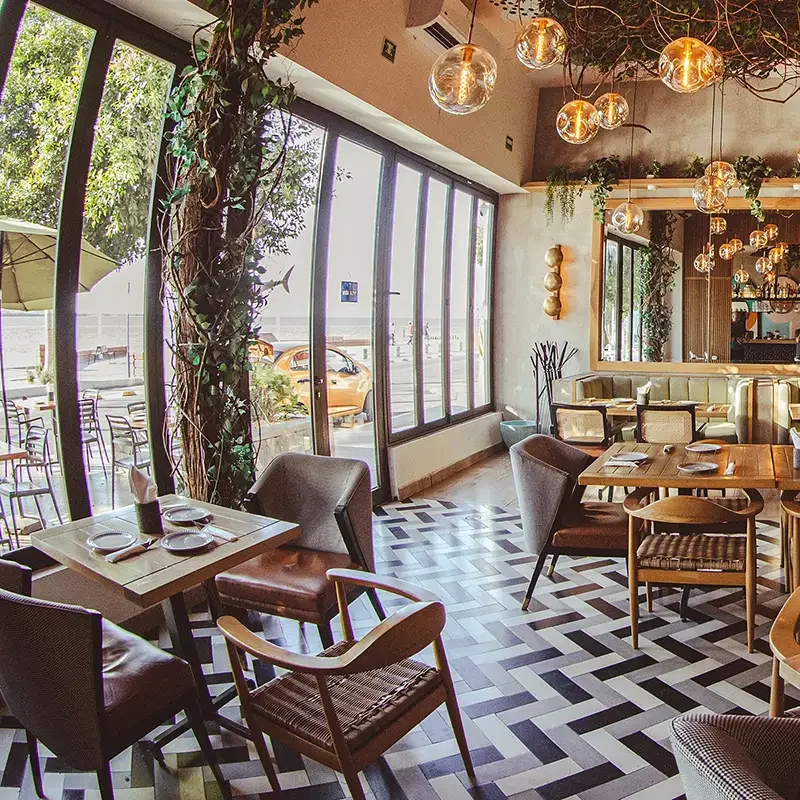


Photos: Courtesy Central 1535
The restaurant's sidewalk patio faces the Malecón, giving you a clear view of the bay and the steady flow of people heading out for an evening walk. It’s an easy place to linger with one of their cocktails — the bartenders have a real touch with citrus and herbs — while the light fades over the water. Central 1535 doesn’t try to be a scene; it simply is one for visitors and residents alike — because it’s comfortable, welcoming, and serves great food and drinks with panache.
A short walk from the Malecón is Biznaga Baja Bistro. The atmosphere is casual and immediately puts you at ease — modern, relaxed, and managed by a friendly staff who clearly take pride in the place. The service is warm and attentive without ever feeling rehearsed. Chef Carlos is front and centre, moving between tables and the open kitchen with a friendly smile and is someone who knows his ingredients and enjoys talking about them. His cooking leans into local seafood and fresh herbs, with delightful and delicious sauces that don’t overwhelm the plate. The fish tartare is light and melts in your mouth, the catch of the day was cooked perfectly and served over a crisp garlic “cigar,” and the Rockefeller oysters are exactly what you hope for in Baja. Even the steak and bleu cheese sandwich — a more casual choice — is surprisingly rich and satisfying. To get a sense of the menu, share several dishes with a dining partner.



Drinks include wines, house cocktails (the hibiscus infusion is refreshing), beers and non alcoholic choices like the popular jamaica juice. Dessert is worth staying for: the playful “fake crepe” is light and a great way to finish a meal. Biznaga is an easy recommendation for anyone visiting La Paz.
While La Paz has its own quiet rhythm, the road that leads out of the city opens the door to places that move even slower. Less than an hour away, the landscape thins into desert and low hills, and small towns begin to appear — places shaped by mining, ranching, and long stretches of silence. One of the most compelling is El Triunfo.
El Triunfo: The Quiet Town That Outlasted Its Mining Days
Just 45 minutes from La Paz lies El Triunfo, a small town with a surprisingly rich past. In the 19th century, it was a booming gold and silver mining centre. At one point, it was the most populated town in Baja California Sur. Miners arrived from around the world, including a significant number of Chinese workers whose contributions helped shape the community’s cultural fabric.
El Triunfo today is modest, a handful of streets and a few restored buildings, but its history is impossible to miss. The town was once defined by two towering smokestacks, La Ramona and La Julia, built during its mining boom. Only La Ramona remains fully intact, recently restored and still rising above the desert as a reminder of the era that built the town.
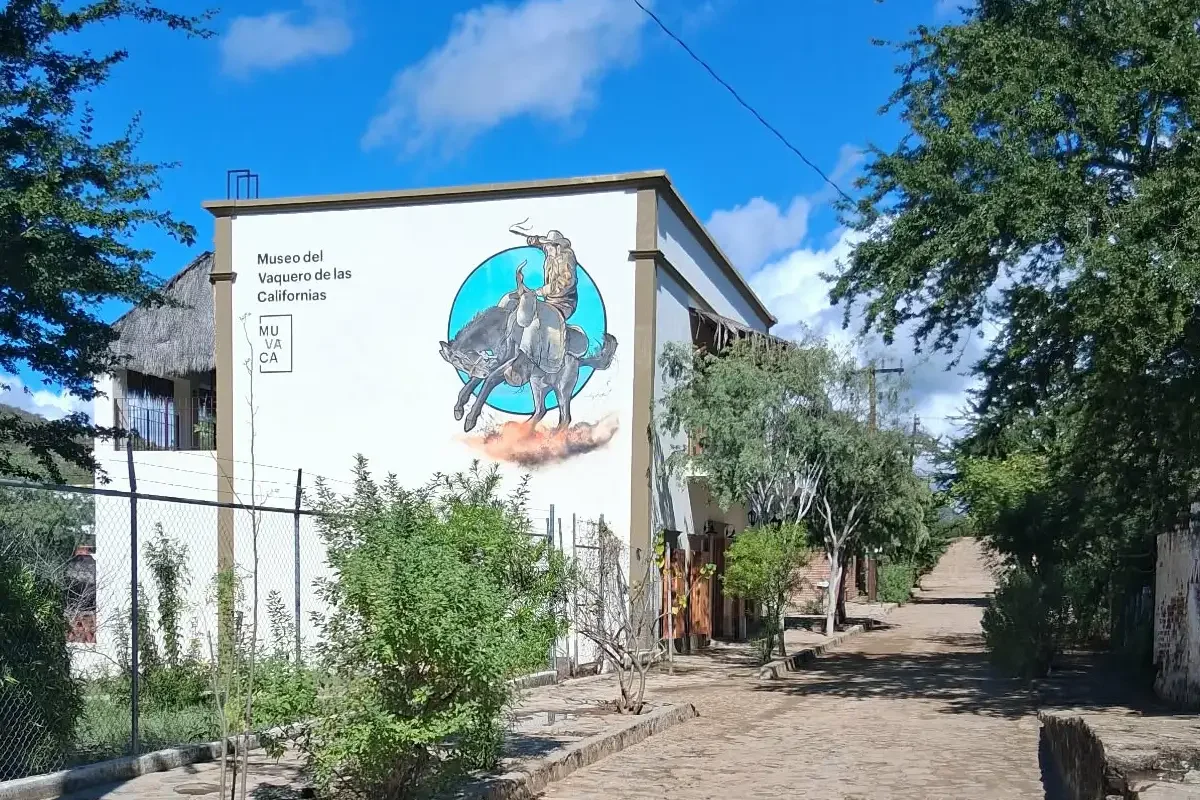
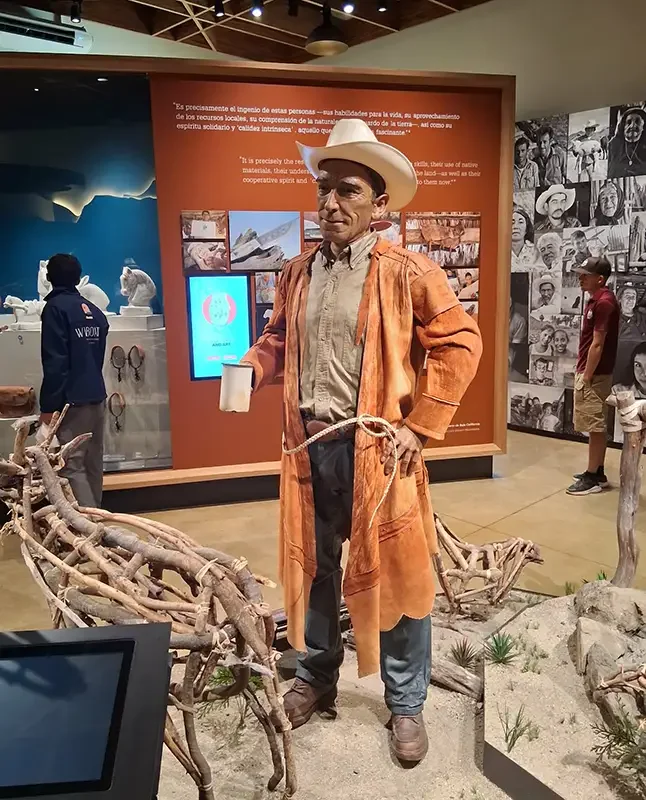

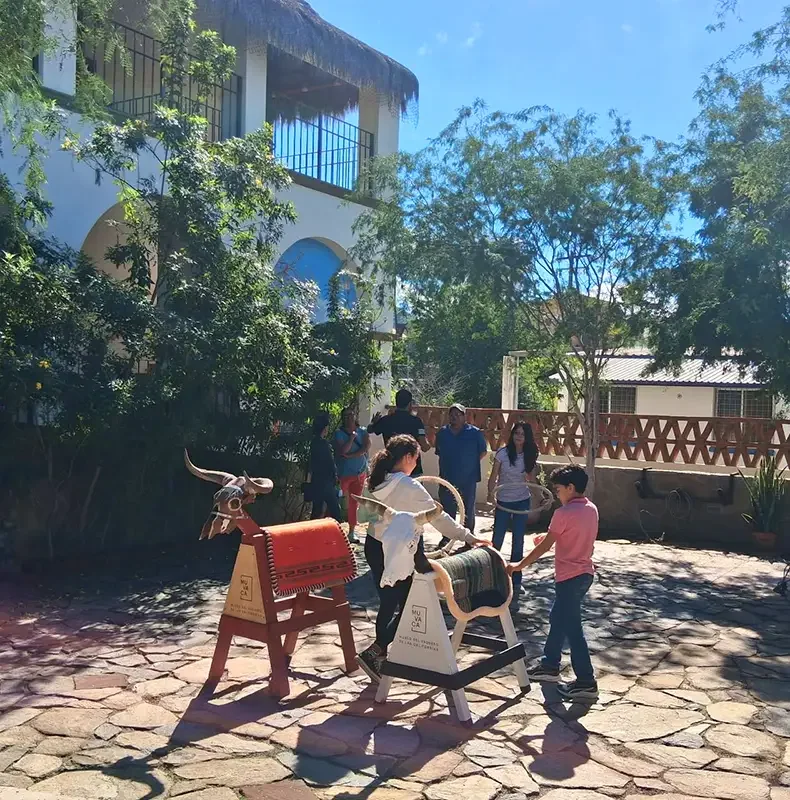
The museums here are surprisingly sophisticated for a town this size. The Cowboy Museum of the Californias (MUVACA) is genuinely world‑class — a bilingual, multimedia museum that explores more than 300 years of vaquero and ranchero history across both Baja and Alta California. It's a world-class museum with “interactive displays and state‑of‑the‑art exhibits”. The collection includes saddles, tools, clothing, photographs, and oral histories, all presented with a level of detail and design that feels far beyond what you expect in a remote desert town.
A short walk away, the Silver Mine Museum (Museo Ruta de Plata) offers an interactive look at the region’s mining history, with exhibits spanning 1750 to 1930. After touring the museum, it’s worth walking down to the old mining grounds and the base of La Ramona. Seeing the site after learning the history gives the place a weight and context that stays with you — the scale of the smokestack, the remnants of the mining works, and the quiet of the surrounding hills all resonate more deeply once you understand what happened here.
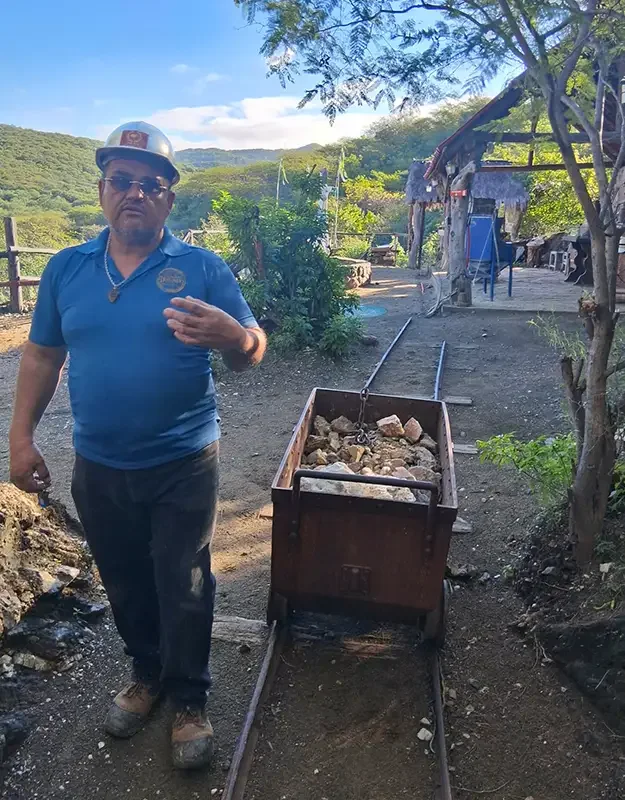
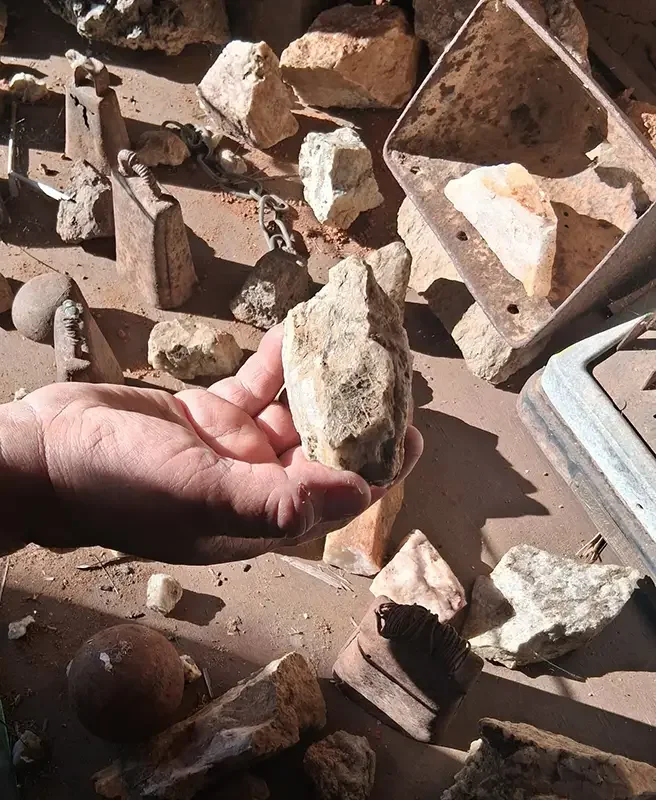
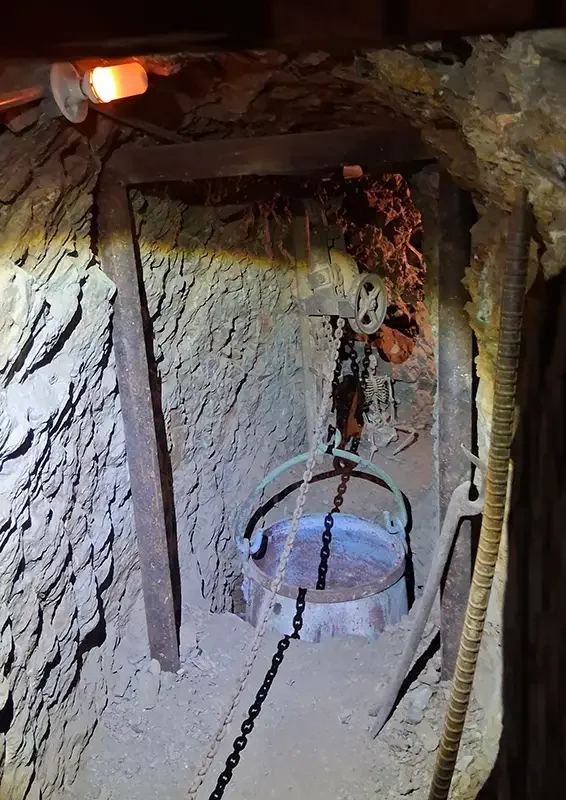
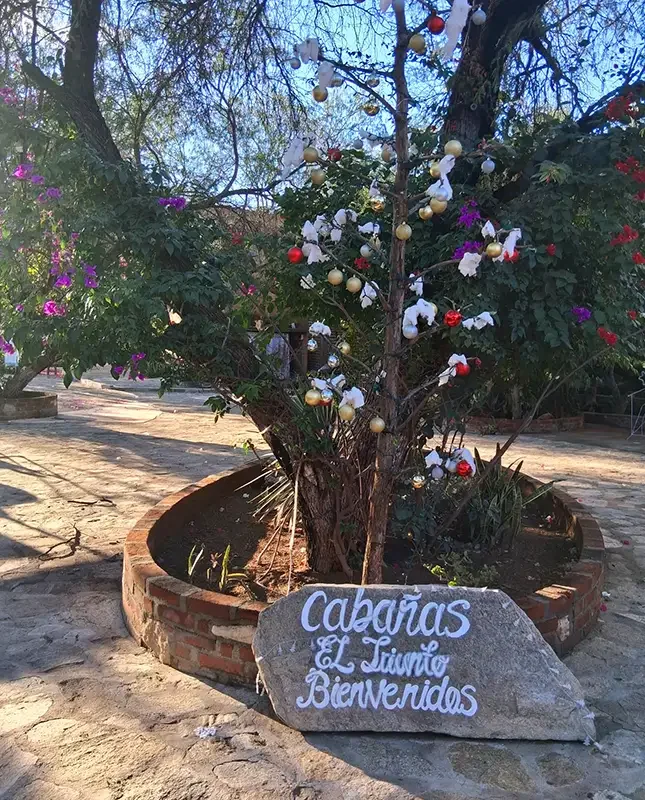
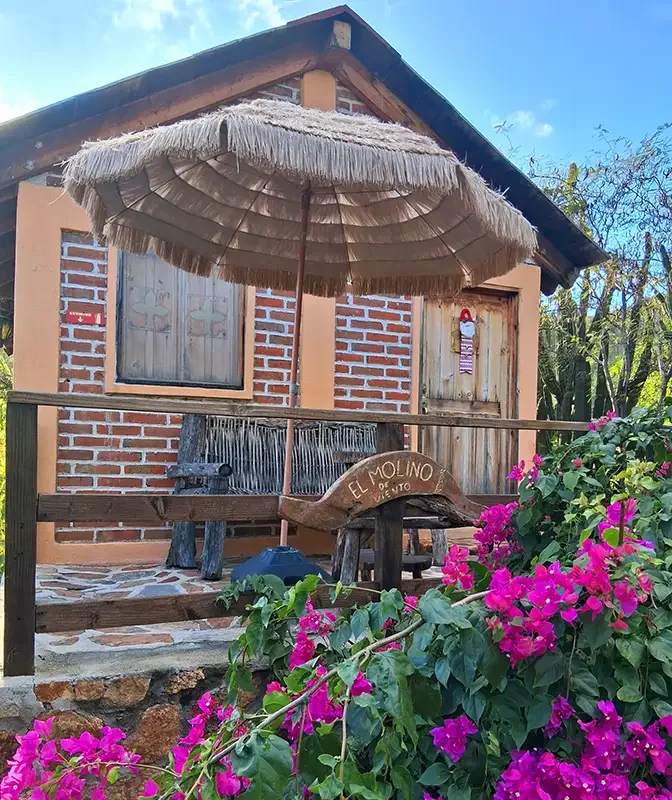
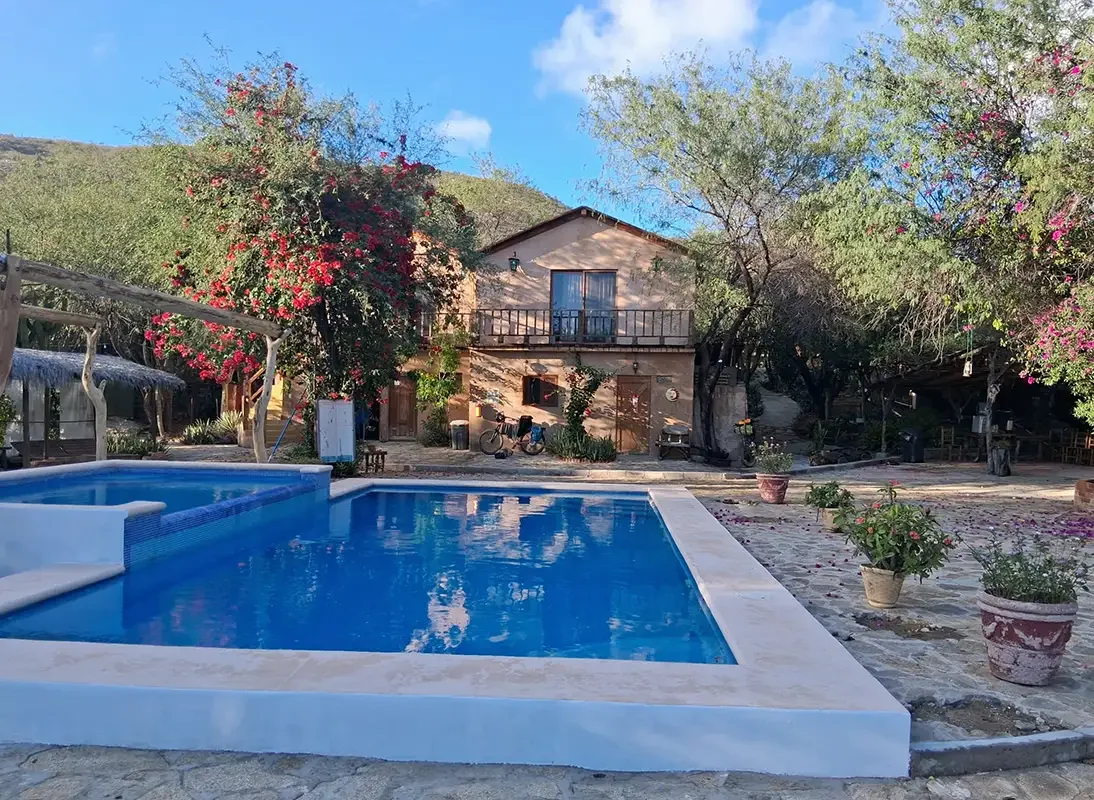
Travellers who stay overnight often end up at Cabañas El Triunfo, a cluster of simple, comfortable cabins set against quiet desert hills. Mornings usually begin at Las Alforjas, the café attached to the Cowboy Museum. It’s an excellent place to have breakfast on a cool morning in the arid hills — warm, unpretentious, and matched by food that’s genuinely good. They make excellent burritos riquísimos, and the café de talega is prepared on the spot: a simple, rich brew that pairs well with the pastries and croissants baked fresh each morning.
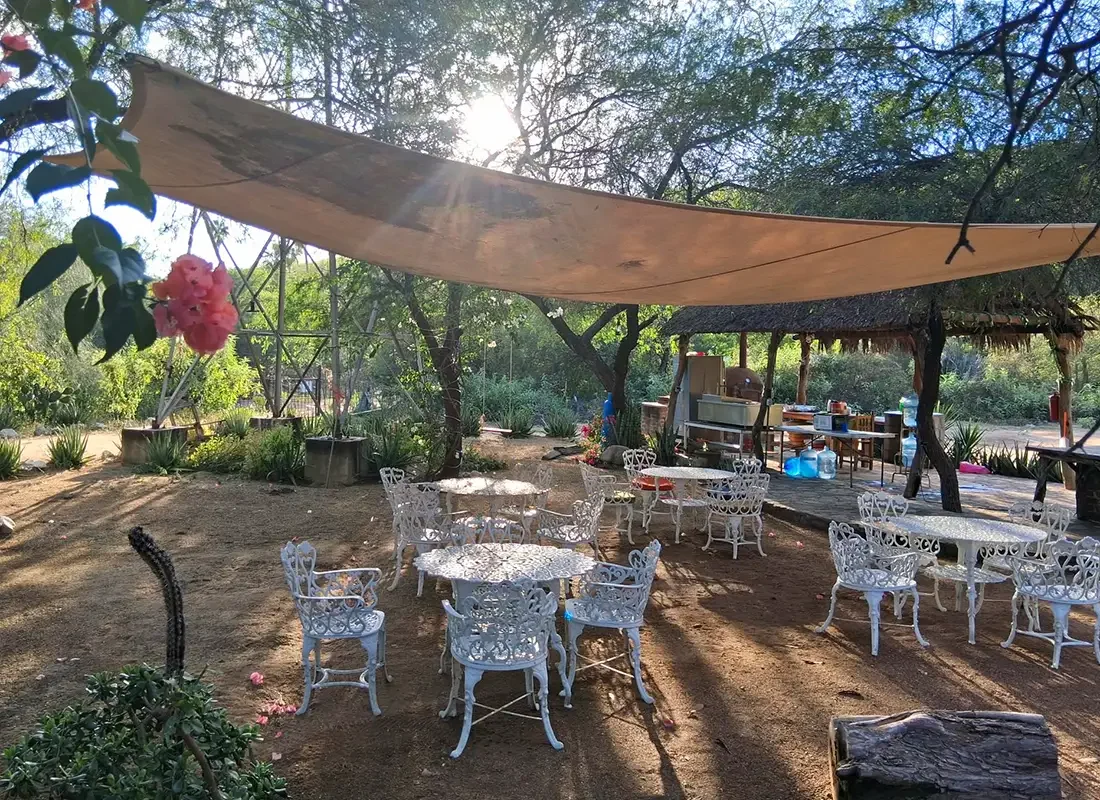
Alongside the pastries, we were served agua de jamaica, the deep‑red hibiscus drink you find throughout Baja. The first sip is a small surprise: tart like cranberry but softer, with a clean, floral edge that lingers. In El Triunfo, as in most of the peninsula, jamaica is just what people drink — refreshing, slightly sharp, and exactly what you want in the desert heat or on a hot coastal day.
After the morning museum tour, TotoFrito didn’t disappoint. It’s a tiny seafood spot with a reputation far bigger than its footprint. The menu focuses on sustainably raised totoaba, red snapper, and oysters. The aguachile de totoaba comes smooth with a slight sweetness, and the red snapper ceviche and sashimi are bright and clean. Even the sides stand out — the sweet‑potato tots are full of flavour and melt in your mouth.
El Triunfo is a special place — not somewhere you rush through. It’s quiet, a little weathered, and honest about what it is: a town that outlived its mine and settled into a slower rhythm. I loved it. Spend a day and a night there and the memory will stay with you for a long time.
It’s Festivus at The MaQueCho Festival
The MaQueCho Festival is one of the local events that gives the El Triunfo area its character. The name comes from regional slang, and the festival itself grew out of community efforts to keep local traditions visible. It brings together music, dance, food, and stories from across Baja California Sur — not as a performance for visitors, but as a way for residents to celebrate who they are. During the festival, the streets fill with parades, traditional costumes, and performances that blend indigenous, colonial, and contemporary influences.
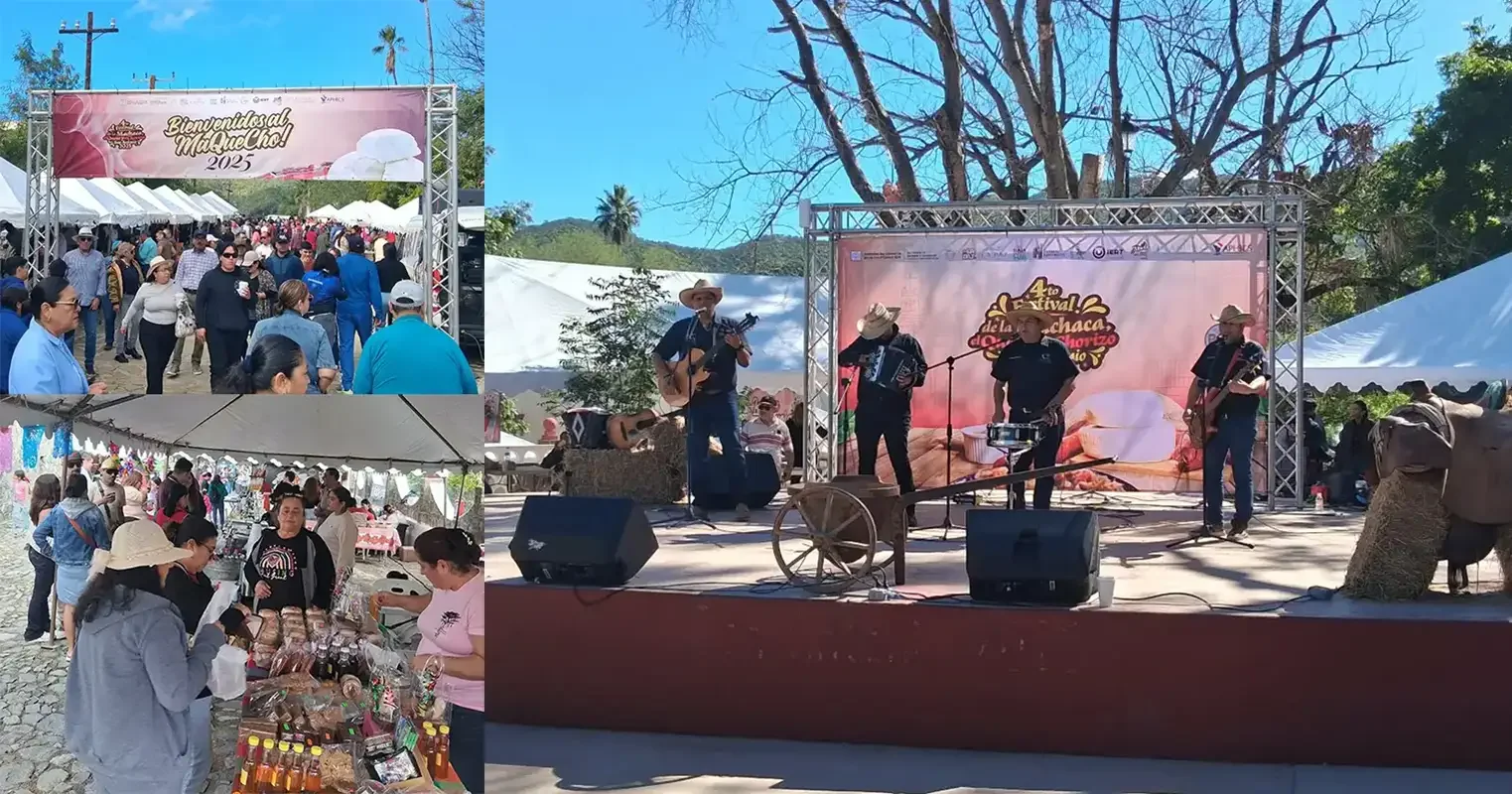
Food stalls offer regional dishes, while artisans display crafts passed down through generations. Workshops, exhibitions, and community events create a lively, inclusive atmosphere. For residents, MaQueCho is more than a festival — it is a reaffirmation of shared heritage and a way to pass cultural knowledge to younger generations. For visitors, it offers a rare opportunity to experience the heart of Baja culture in an authentic, immersive way.
The Spirit of La Paz
From its colonial origins and pearl‑diving legacy to its modern identity as a hub for eco‑tourism and cultural exploration, La Paz is a destination that rewards curiosity. Its beaches are among the most beautiful in Mexico, its food scene is thriving, and its blend of desert, sea, and history creates an atmosphere unlike anywhere else.
Whether kayaking off Espíritu Santo, savouring dinner at Casamarte, wandering the mining ruins of El Triunfo, or simply watching the sunset from the malecón, La Paz invites travelers to slow down, breathe deeply, and discover the quiet magic that has been a draw to visitors for centuries.
Todos Santos: Get into the Desert and Pacific Coastal Groove
If you leave La Paz and head southwest toward the Pacific, the city disappears quickly. The road settles into long stretches of desert, tall cardón cacti, and the Sierra de la Laguna rising in the distance. At one point you cross the Tropic of Cancer — the line that marks where the tropics end — and from there the landscape widens into open desert until Todos Santos appears, low and quiet against the edge of the ocean.
The town is small, just over 7,000 people, but its history runs deep. The Guaycura lived here long before the Spanish built the mission in 1723. Sugarcane mills once powered the local economy, and when the freshwater spring dried up in the mid‑20th century, the town nearly emptied out. When the spring returned in 1981 and the highway improved, Todos Santos began its slow revival.

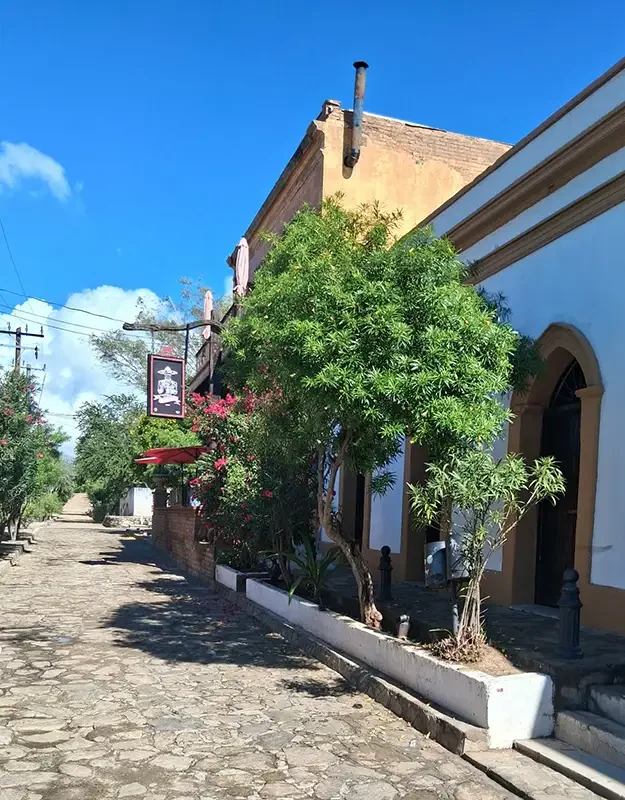
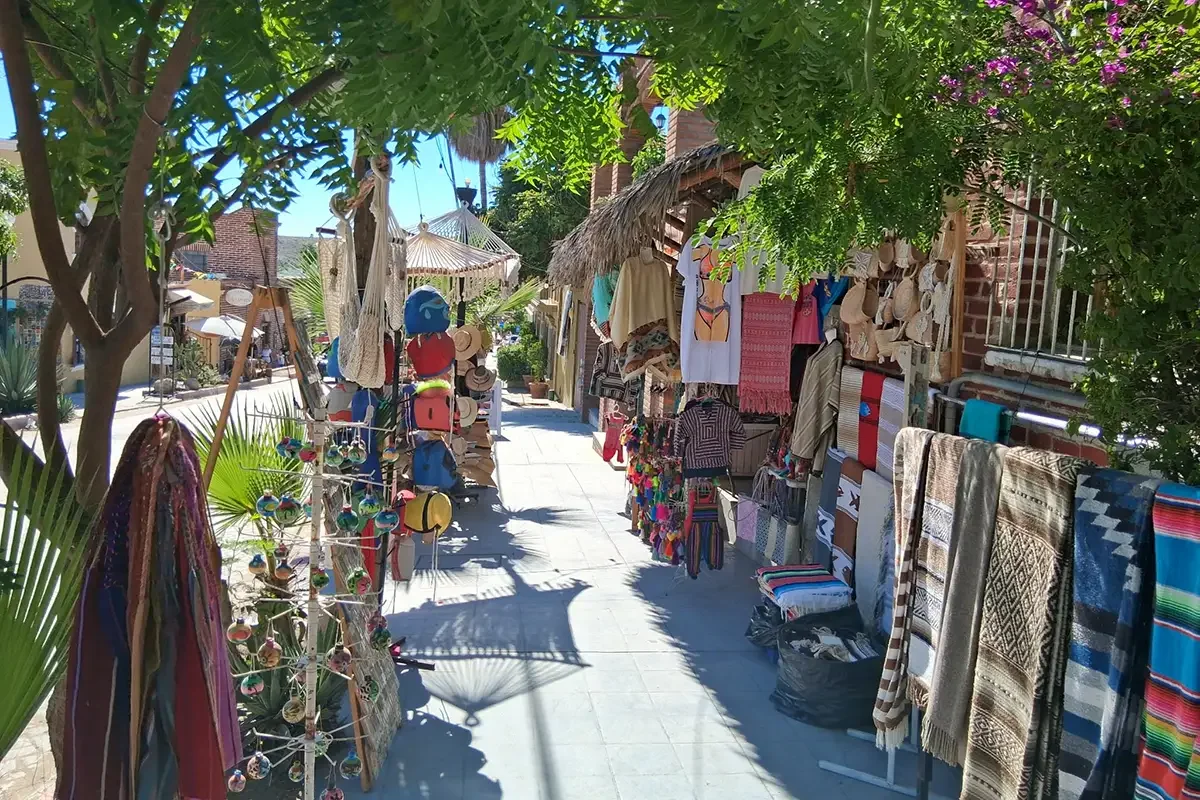
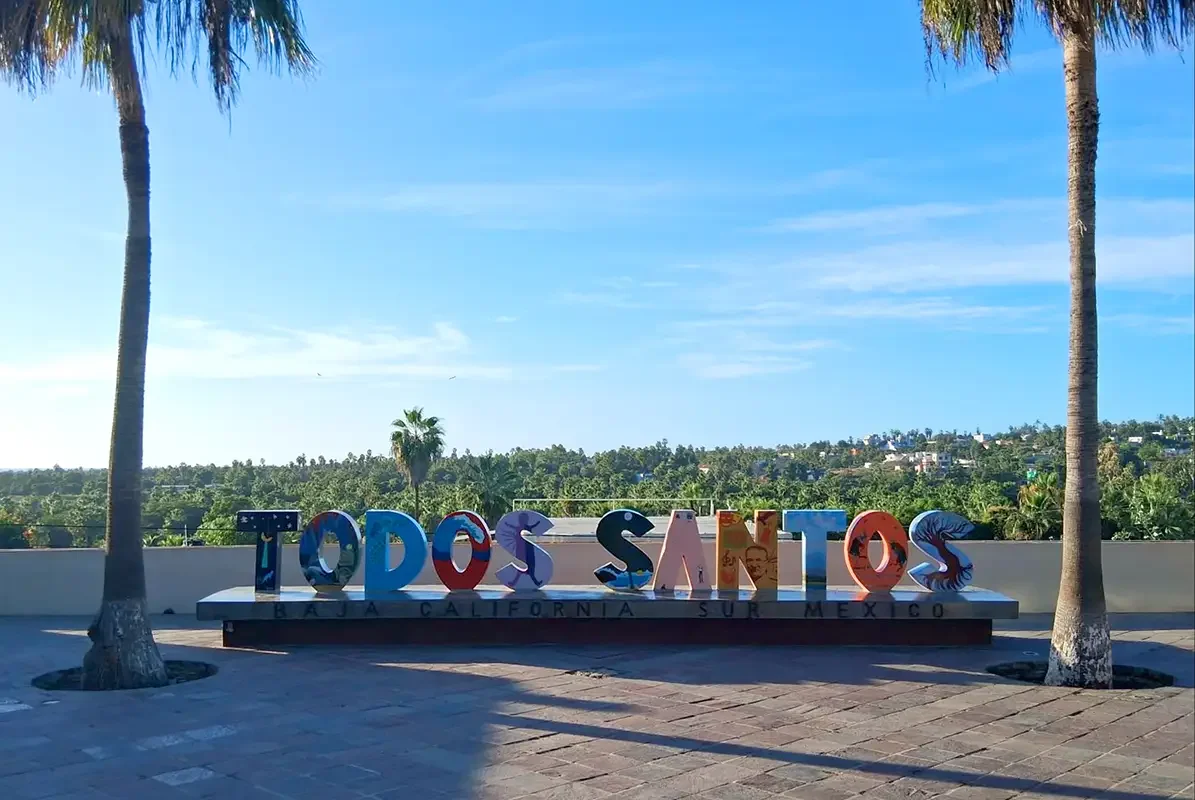
Mexico designated it a Pueblo Mágico (Magical Town) in 2006 — a recognition given to towns that preserve their historic character, cultural traditions, and sense of place. That designation fits. Todos Santos has an identity that feels intact, even as a steady flow of newcomers and seasonal residents has created a noticeable expat community. People come for the climate, the surf, the art scene, and the slower rhythm, but the town still moves at its own pace.
Guaycura Boutique Hotel Beach Club & Spa: A Glorious Hotel That Fits the Town
In the centre of Todos Santos, the Guaycura Boutique Hotel Beach Club & Spa occupies a restored 19th‑century brick‑and‑stone home — one of the town’s original residences, with thick walls, tall windows, and a rooftop overlooking the oasis and the historic district. The restoration kept the building’s proportions and much of its original character, which is why the hotel feels woven into the town rather than added onto it. It’s comfortable, classy, unfussy and perfect.
The rooms are spacious and quiet, the beds genuinely comfortable, and the overall atmosphere calm without making a point of it. There’s a small restaurant and a coffee bar that serves espresso and pastries throughout the day, either inside or on the terrace. One of the hotel’s real strengths is its location — step outside and you’re already in the middle of this small, walkable town. The rooftop pool stays peaceful, even when the rest of town feels busy.
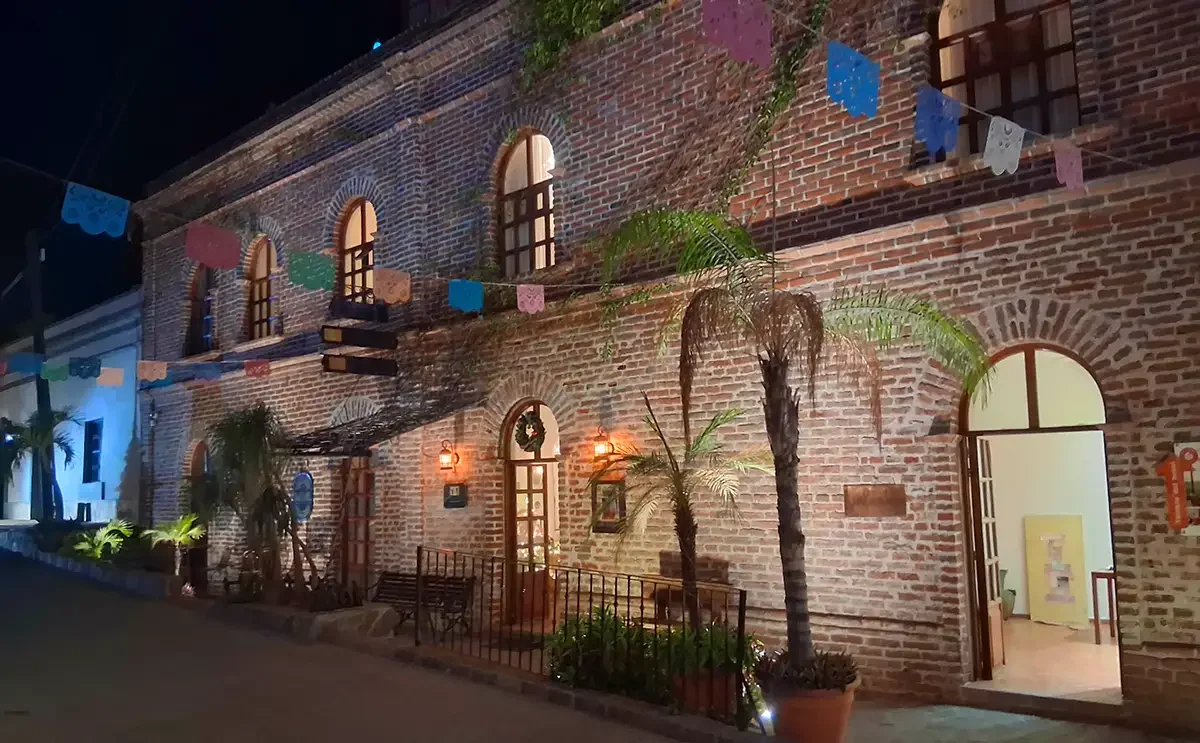
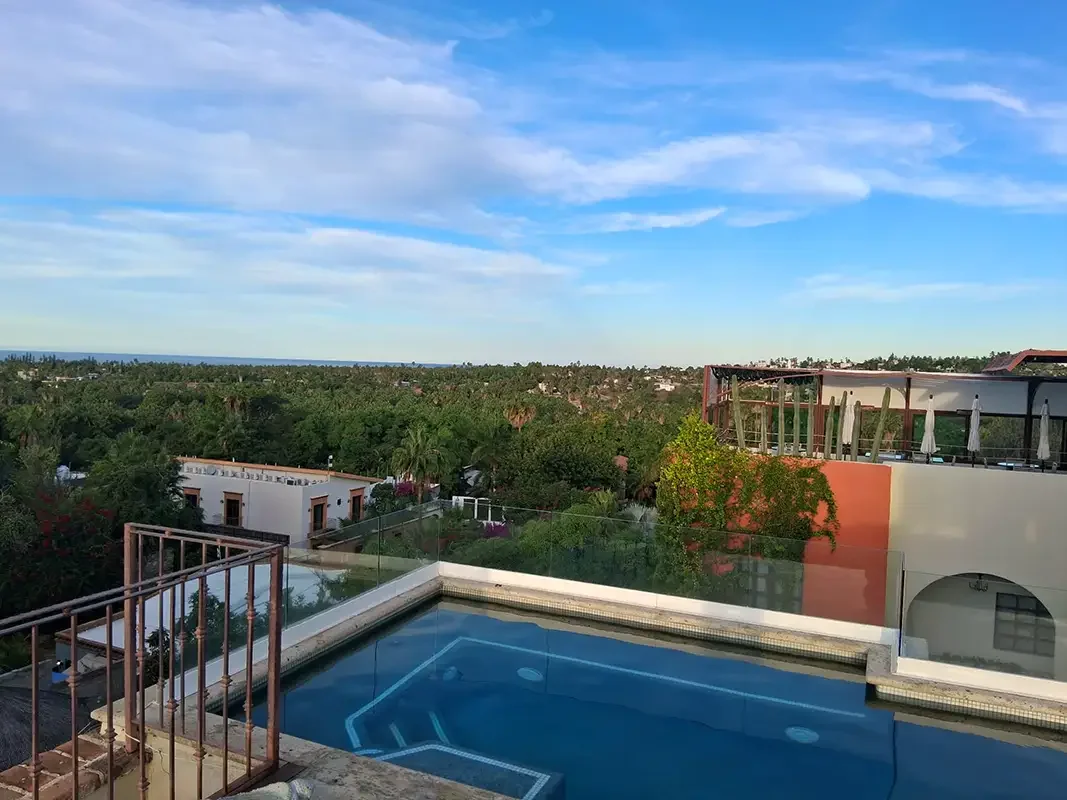
I arrived on a Sunday afternoon, and that evening a local band set up on the rooftop patio. It turned into the night’s gathering spot — locals, expats, and visitors drifting in as the sun dropped behind the Pacific. The music moved from blues to soft rock to a loose, easy groove, and people stayed for the air, the view, the drinks, and the chance to dance and decompress a little. It had the easy, come‑as‑you‑feel that seems to shape most evenings here.
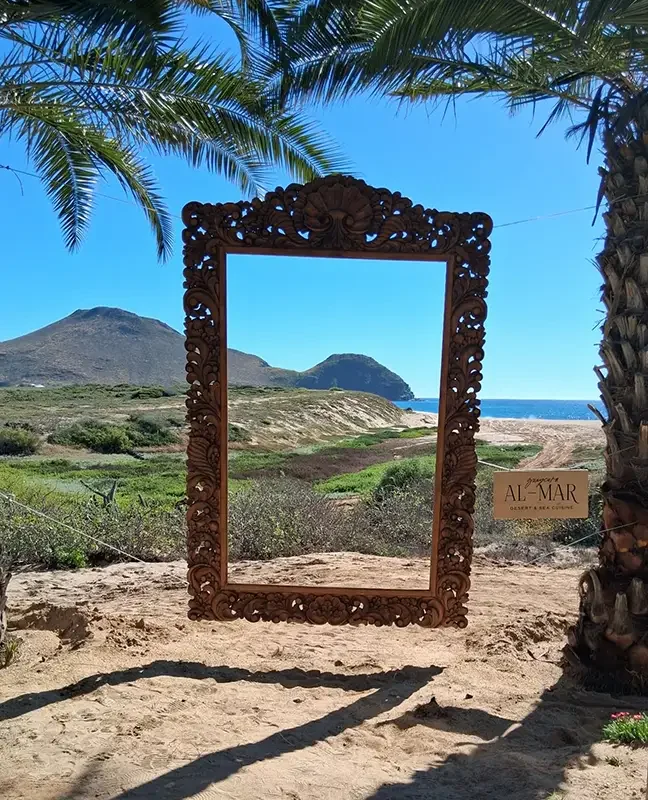
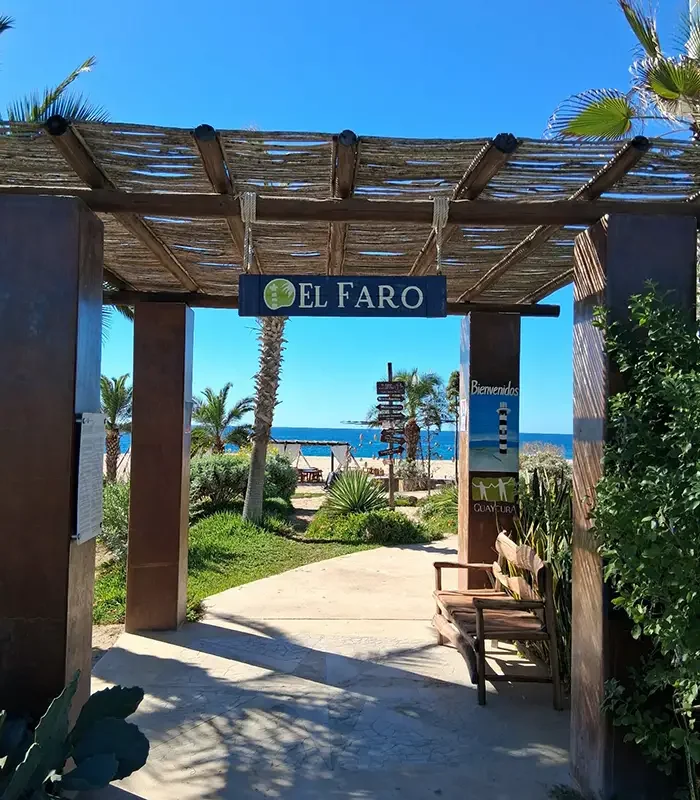
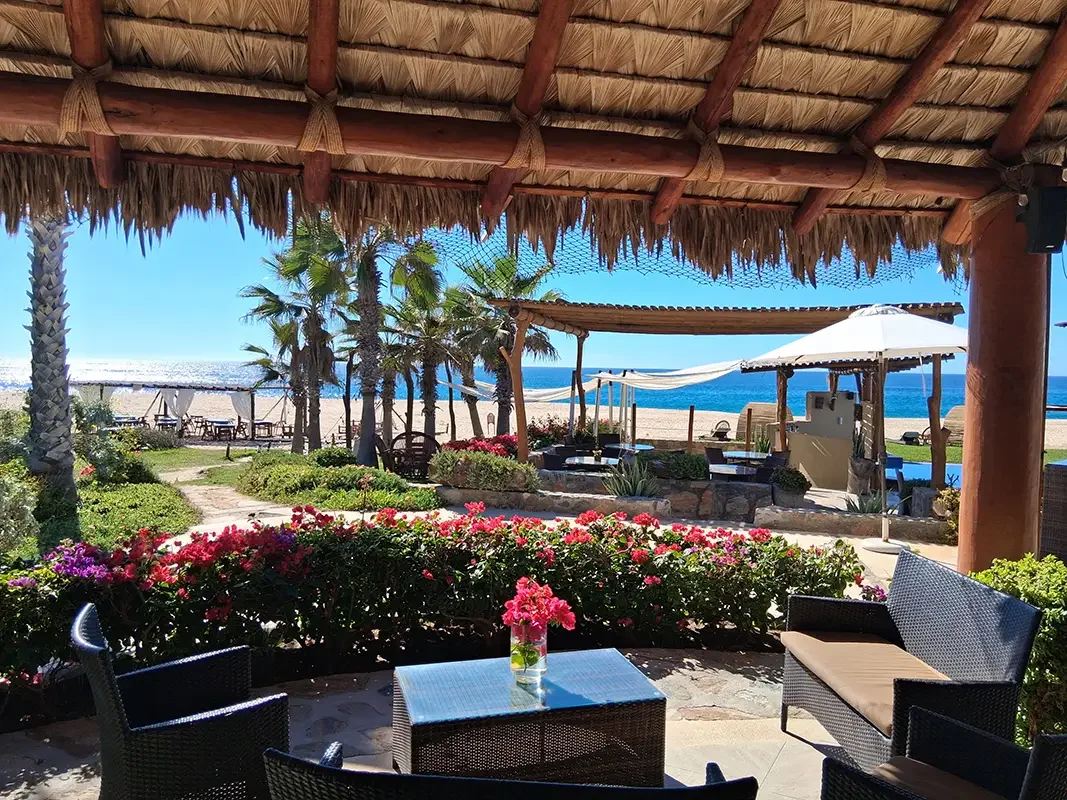
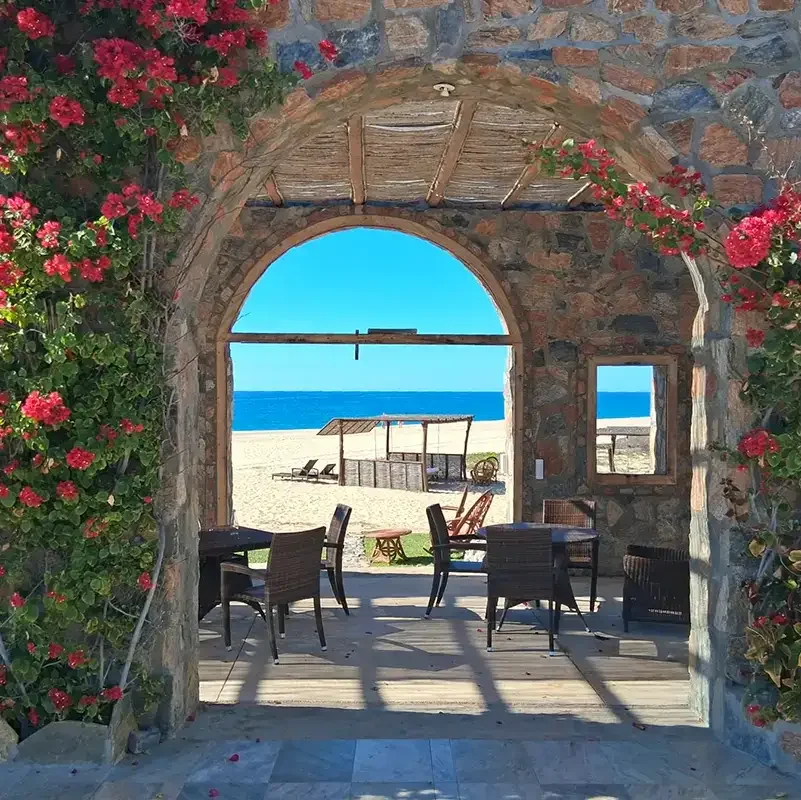
The next morning, I took advantage of the hotel’s beach club and spa, which are about a ten‑minute drive away, with twice‑daily shuttles from the lobby. Set on a quieter stretch of Pacific beach, the club offers massages, a pool with swim‑up bar service, and a spectacular outdoor restaurant. It feels removed from everything, but not remote.
Oysters and Ceviches . . .
For lunch, Oystera in Todos Santos is an easy choice. Set in a restored colonial building with a courtyard full of palms, it serves seafood that’s fresh without being fussed over — ceviches, grilled fish and ten varieties of oysters from across Mexico! The setting in the Santa Terra Reserve does most of the work. You sit down for lunch and then an hour disappears, then another; the courtyard seems to slow everything down — a superb spot.



Photos: MonPetitCabo, Oystera
Why Todos Santos Is One of Baja’s Best Walkable Towns
Todos Santos is a town made for walking. The streets are narrow and lined with galleries, small shops, and cafés. A walking tour — guided or improvised — reveals the layers: the mission church, the old sugar‑mill ruins, the theatre, the plaza, and the mix of artists, surfers, and long‑timers who give the town its character.
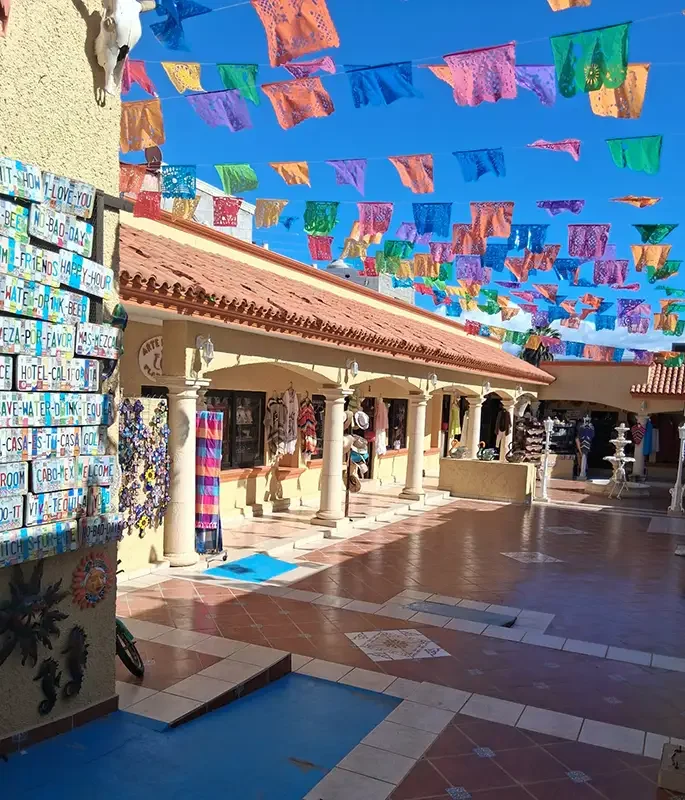

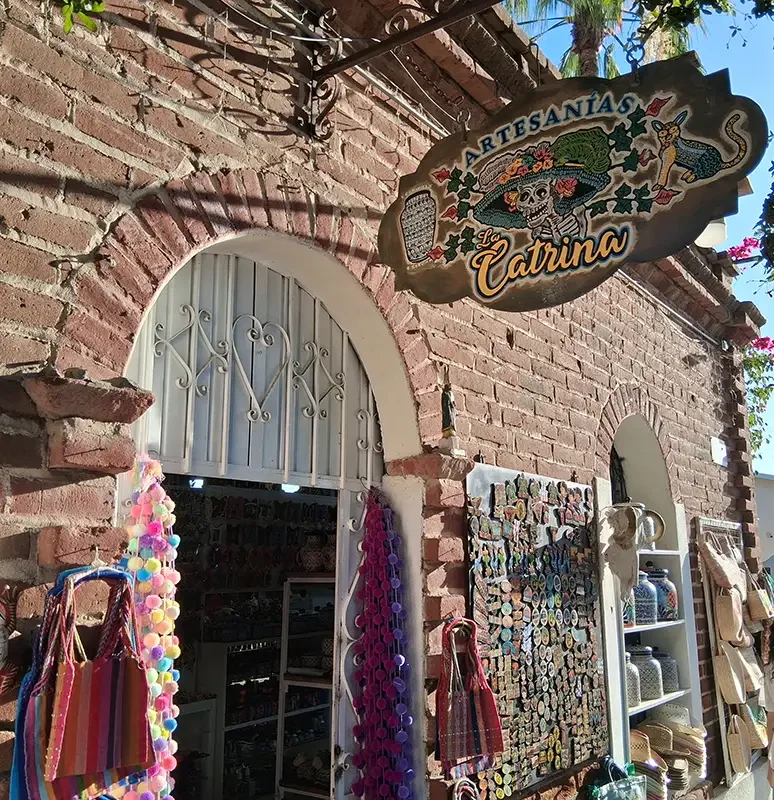
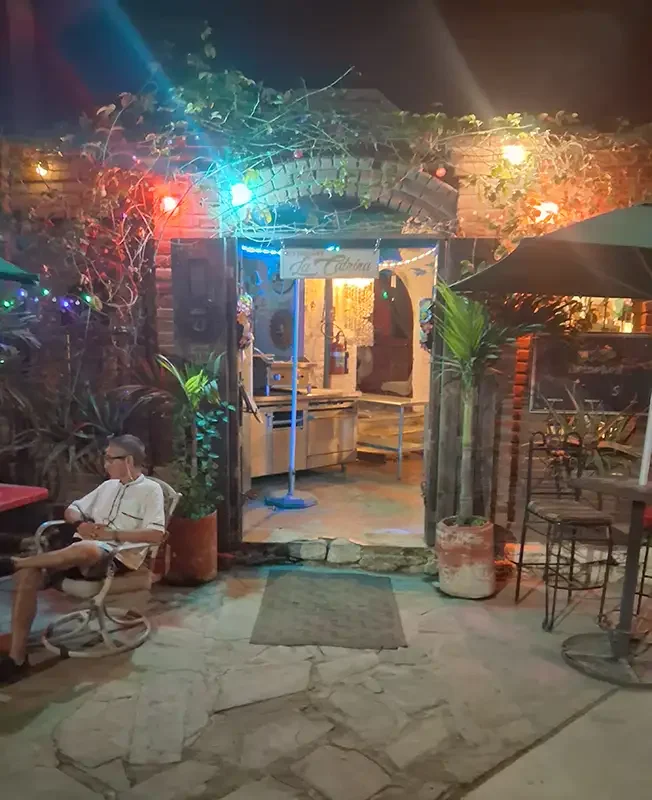
You can cover the historic centre in an afternoon, but you’ll likely do it more than once. The details pull you back in — murals, shaded courtyards, the smell of tortillas drifting from a doorway, and the faint sound of the ocean somewhere beyond the rooftops. There are several restaurants/bars in town that serve cold beer, tortillas, and other local fare. Most have indoor and outdoor seating. The local food is superb. Lots of choices and the price is right.
Todos Santos is a place that works on you slowly: through its light, its history, and the way the desert and the ocean seem to hold the town in balance. People come for a week and return for a month. After spending a couple of days in this Pueblo Mágico, I was pulled in by its charm and completely get why it has become such a big draw for expats and tourists alike. It is one of those places where you know you will return to, just as I will with La Paz, each for its own reasons.
For more information on travel to La Paz on the Gulf of Mexico, tourism on the Pacific Coast side of the Baja California Sur Peninsula, and the historic mining town of El Triunfo located between them, visit www.golapaz.com, www.todossantos.com, and www.visitloscabos.travel/places-to-visit/surroundings/el-triunfo.